Herbology
Herbs of Beltane: Working with the Plants of the Fire Festival
Rowenna
Solitary witch and the founder of Grimoire. Built the app she couldn't find anywhere else. Writes about the craft with primary sources, honest lineage notes, and a low tolerance for vague correspondences. Based in the UK with more herbs than shelf space.
· 8 min read
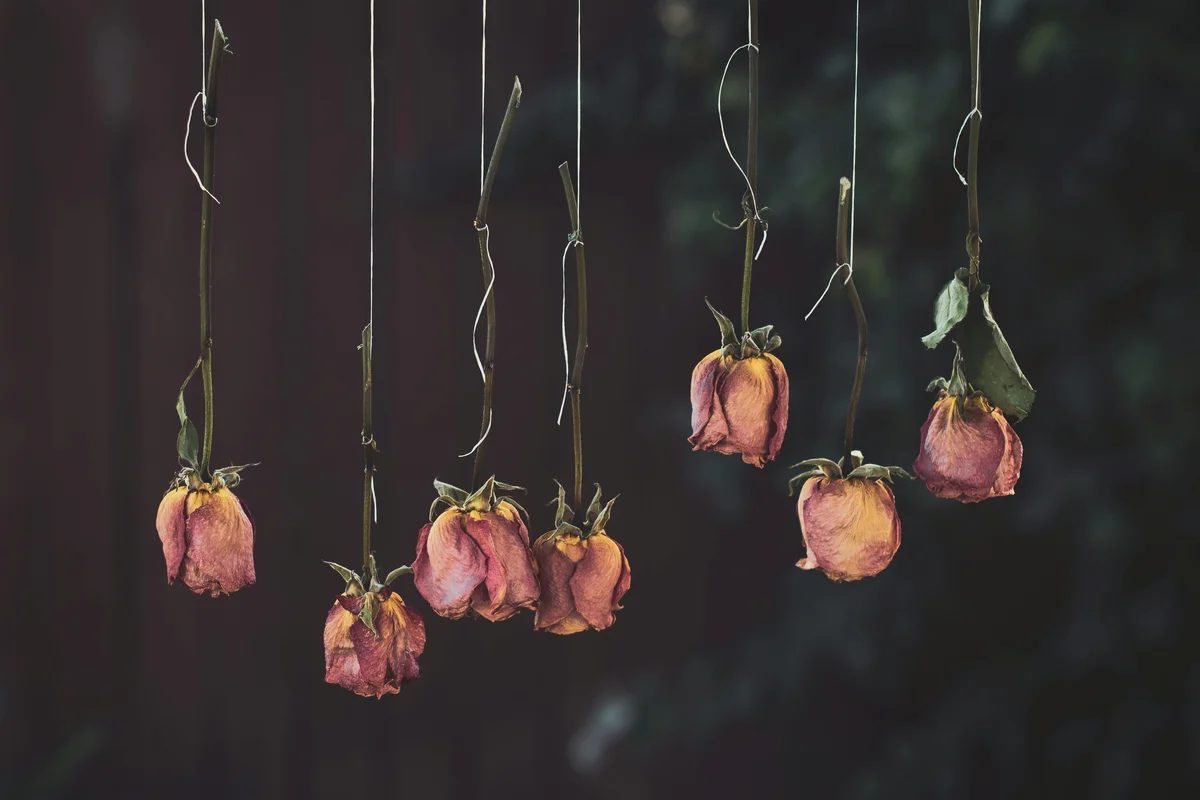
Every sabbat has its plants: the herbs, flowers, and trees that are in season, that carry the energetic signature of the moment, that have been used in folk practice at these times for generations. Beltane's plants are the plants of late spring, flowering, fragrant, and alive with the season's expansive, fertile energy.
Working with Beltane herbs doesn't require elaborate preparation. Bringing them into your space, working with them in simple ways, attending to their presence, all of this is practice. The plants themselves are teaching tools.
Hawthorn
The hawthorn (Crataegus monogyna) is the quintessential Beltane plant. It blooms right around the first of May in many climates: the may blossom that gave the month its folk association with magic and the Otherworld. In Celtic and Irish tradition, hawthorn is a fairy tree, a threshold marker, a plant that belongs to the liminal spaces between worlds. In Ireland, the folk prohibition against cutting or disturbing a lone hawthorn tree has persisted into the modern era, with a notable case in 1999 when a proposed motorway through County Clare was rerouted rather than disturb a hawthorn considered to be on a fairy path.
There is also a botanical dimension to the folk caution about bringing hawthorn blossoms indoors. The flowers of Crataegus monogyna contain flavonoids and oligomeric proanthocyanidins (OPCs), compounds well-documented in peer-reviewed research for their effects on the cardiovascular system. The folk taboo predates the science by centuries, but the two sit in interesting alignment. Use hawthorn flowers on outdoor altars at Beltane, or work with dried flowers from a reputable source.
Rose
The rose (Rosa spp.) is the herb of Venus in the classical and medieval herbal traditions: associated with love, with beauty, and with the heart in all its forms. The association is ancient. The Greek poet Sappho called the rose "queen of flowers" in the 6th century BCE, and rose has remained central to devotional and ritual practice across traditions ever since.
At Beltane, a sabbat of desire and the heart's fullest expression, rose is a natural ally. Rose petals can be scattered on the altar, used in ritual oils and incense blends, added to charm bags for love and attraction, or simply placed where you'll encounter their scent. Rose water is a gentle, accessible way to work with rose energy: a spritz on the face or hands before ritual is a simple act of embodied magic.
Elderflower
The elder tree (Sambucus nigra) blooms at Beltane in many climates, its flat-topped white flowers carrying a distinctive, heady scent. Elder is a powerful protective plant with a long association with fairy magic and the threshold between worlds. In Scandinavian and Northern European folk tradition, the elder was understood to be inhabited by a spirit: the Hyldemoer (or Hylde Moer), the Elder Mother, a protective and sometimes formidable presence who presided over the tree and its surroundings. Harvesting from the elder without respectful acknowledgement was considered unwise. Hans Christian Andersen drew on this living tradition in his 1845 fairy tale The Elderbush Mother, and the belief is documented in oral records going back to at least the 17th century.
Elderflower is also culinary: elderflower cordial and elderflower fritters are traditional seasonal foods in parts of Europe. Making elderflower cordial for your Beltane celebration is itself a form of practice, an act of alignment with the season's gifts.
Mugwort
Mugwort (Artemisia vulgaris) appears at many points in the magical year because it is a year-round ally for dreamwork, divination, and psychic awareness. The genus name Artemisia honours Artemis, the Greek goddess of the moon, the hunt, and women's mysteries: the plant's ritual associations with lunar cycles and the unseen world run deep. Medieval herbalists called it mater herbarum, the mother of herbs. At Beltane, when the veil is thin and the Otherworld is close, mugwort's ability to enhance psychic receptivity is particularly useful.
Burn dried mugwort as incense before divination. Place it under your pillow for Beltane dreams. Brew a weak mugwort tea before ritual, attending to the contraindications below. Track your experiences in your Apothecary so you can build a record of what works for you.
A note on safety: The National Center for Complementary and Integrative Health (NCCIH), part of the US National Institutes of Health, states clearly that mugwort should not be used during pregnancy, as it may stimulate uterine contractions. This applies to internal use; smoke and topical applications carry lower risk, but caution is warranted.
Frankincense
Frankincense is the dried resin of the Boswellia tree, native to the arid regions of the Arabian Peninsula and the Horn of Africa. It is not a spring plant, but its history in sacred practice is extraordinary in scope. In ancient Egypt it was a component of kyphi, the ritual incense burned in temple worship and recorded in hieroglyphic texts from as early as 1500 BCE. It appears in the Hebrew scriptures as a temple offering, in ancient Greek and Roman ritual, and across the traditions of the Islamic world. The word itself comes from the Old French franc encens, meaning pure incense, a name that speaks to the esteem in which it was held. Its smoke purifies, elevates, and opens: qualities that cross every cultural tradition that has used it.
At Beltane, burned alongside seasonal herbs, frankincense adds a sacred gravity that balances the season's wildness. Blend it with rose petals, mugwort, and a little dried hawthorn flower for a Beltane incense. Burn on charcoal as you speak your intentions for the season.
Working with Beltane Herbs
The Herbology guide in Grimoire covers magical correspondences, safety information, and practical uses for a wide range of plants. For Beltane specifically, focus on the herbs of love and desire, of protection and threshold-crossing, of the flowering world.
You don't need to work with all of these herbs. Choose one or two that resonate, that you can source easily, that feel right for your practice this year. The most meaningful Beltane working is the one that feels true to where you are right now.
Keep notes in your Apothecary journal about what you worked with and how it felt. Over time, these notes become a personal herbal: a record of your relationship with the plants, built season by season.
For the wider Beltane practice (the fires, the altar, the threshold work) see Beltane for Solitary Witches, or Beltane Deities for the divine figures of the festival.
Sources
- Dahmer, S. & Scott, E., "Health Effects of Hawthorn", American Family Physician 81(4), 2010, via PubMed/NIH
- Pajor, M. et al., "Significance of Artemisia vulgaris L. in the History of Medicine", Molecules 25(19), 2020, via PubMed Central
- National Center for Complementary and Integrative Health (NCCIH), Mugwort: Usefulness and Safety: nccih.nih.gov
- Wikipedia, Elder Mother (Hyldemoer) (folk tradition and historical sources): en.wikipedia.org/wiki/Elder_Mother
- Wikipedia, Mugwort (etymology and traditional uses): en.wikipedia.org/wiki/Mugwort
More from the Blog
Five Herbs Every Witch Should Have in Their Apothecary
You don't need a fully stocked herb cabinet to practise effectively. You need a handful of versatile, accessible plants and an understanding of why they work.
Herbs of Litha: Working with the Plants of the Summer Solstice
Litha's herbs are the plants of midsummer: sun-charged, protective, and central to centuries of European folk practice. Here is how to work with them in your craft.
Begin your practice
Grimoire is available now on Android and as a web app. Start today.