PANTHEON
Deity Directory & Divine Archetypes
A thousand faces. One relationship at a time.

The Pantheon is Grimoire's deity reference library, and it is designed to be used alongside practice, not just read. Every profile connects directly to the Deity Journal so you can move from learning about a deity to recording your first offering in a single tap. If you're not sure where to start, the Patron Deities quiz suggests three deities based on resonance: the places that call to you, the timing that feels sacred, the help you find yourself asking for.
Each tradition in the Pantheon has its own body of sacred literature, available to read in the Bibliotheca: from Norse eddic poetry to Egyptian funerary texts to Solomonic grimoires. Many of the deities are also connected to specific places of power, which The Atlas explores: with lore, mythological associations, and guidance for connecting from a distance. Together, the Pantheon, Bibliotheca, and The Atlas form a layered map of each tradition: the divine, the written word, and the land.
What's Inside
Cross-Pantheon Reference
Browse by pantheon or search across all traditions at once. Celtic, Greek, Norse, Egyptian, Roman, Hindu, Yoruba, Slavic, and beyond: a growing library of deity profiles.
Domains & Correspondences
Every deity has domains: love, death, war, wisdom, harvest, healing. The Pantheon maps those domains to magical application, elemental association, and sacred symbols.
Offering Suggestions
What to leave. What to burn. What to pour. Each deity profile includes traditional offering guidance: drawn from historical and modern practice, never invented.
Mythology & Lore
Each profile includes the key myths, epithets, and lore associated with the deity: the stories that shaped how they were understood and worshipped.
Deep Link to Deity Journal
Every Pantheon profile links directly to your Deity Journal, so moving from research to active practice is a single tap.
Definition
What is the Pantheon?
The Pantheon is Grimoire's deity reference library: a curated collection of profiles for the gods and goddesses most often worked with in contemporary witchcraft and modern Pagan practice. Each profile gathers domains, symbols, sacred animals, traditional offerings, key mythology, and associated sacred places into a single working reference.
Every profile links directly to the Deity Journal, so research becomes relationship in a single tap. Sacred texts associated with each tradition are held in the Bibliotheca; sacred places associated with specific deities link to the The Atlas guide. The three together form a layered map of each tradition: the divine, the written word, and the land.
Inside a Profile
What does each deity profile contain?
Every profile in the Pantheon follows the same structure, drawn from documented tradition where possible. The fields below are the working anatomy of each entry.
| Field | What it contains |
|---|---|
| Name & epithets | Primary name, alternative spellings, common epithets and titles |
| Pantheon | The cultural and religious tradition the deity belongs to |
| Domains | Areas of life and aspects of the world the deity governs |
| Symbols & sacred animals | The objects, plants, and creatures associated with the deity |
| Traditional offerings | What has historically been given to honour the deity |
| Mythology | Key stories, myths, and lore that shape who the deity is |
| Sacred sites | Places traditionally associated with the deity, where applicable |
Approach
How does Grimoire approach the deities?
With respect for the traditions the deities come from, and with care about what is claimed. The Pantheon profiles draw on documented historical practice and on the writing of contemporary devotional communities working in living lineages. Where sources differ (and they often do), the profile notes the variants rather than picking one as canonical. Where a tradition is living and held by a particular community, the profile says so, and the offering suggestions and ritual notes acknowledge that working with that deity is not the same thing as belonging to that tradition.
The Pantheon is a reference, not a passport. Reading about a deity is not the same as having a relationship with one, and a relationship with a deity is not the same as adoption into the tradition that holds them. A thoughtful witch keeps the distinctions in view.
I work primarily with Hecate and Brigid: two of the most thoroughly documented goddesses in contemporary witchcraft, which makes finding reliable lore straightforward once you know where to look. That is not the case for every deity in the Pantheon. The ones who appear less often in English-language sources are the ones I have been most careful with: not in the sense of avoiding them, but in the sense of being clear about what is historically attested and what is modern reconstruction. The profiles apply the same standard.
FAQ
Frequently asked questions.
What is the Pantheon?
The Pantheon is Grimoire's deity reference library: profiles for the gods and goddesses most often worked with in contemporary witchcraft and modern Pagan practice. The library spans the Greek, Roman, Norse, Celtic, and Egyptian pantheons alongside selected deities from Slavic, Hindu, and Yoruba traditions. Each profile contains domains, symbols, sacred animals, traditional offerings, key mythology, and sacred site connections, and links directly into the Deity Journal, so moving from research to active practice is a single tap.
Which traditions does the Pantheon cover?
The library spans the major Western magical pantheons (Greek, Roman, Norse, Celtic, Egyptian) alongside selected deities from broader traditions including Slavic, Hindu, and Yoruba where they appear regularly in solitary witchcraft practice. The depth of coverage varies by tradition, with the Western pantheons being the most thoroughly represented because the available source material in English is most extensive there. The library grows as new profiles are added.
Can I work with any deity in the Pantheon?
The Pantheon presents the deities; the question of relationship is yours to answer carefully. Most of the deities profiled here come from traditions whose mythology and worship is widely studied across cultures, and many witches work with them respectfully without belonging to a particular lineage. Some traditions are living rather than archival (particularly the African Traditional Religions and their diasporic descendants) and adopting their ritual forms without relationship to the communities that hold them raises real questions of context. The Pantheon profiles include notes where this consideration applies, and a thoughtful reader proceeds slowly when entering territory she did not grow up in.
How are deities selected for inclusion?
Selection is based on what serious solitary practitioners actually work with, drawn from contemporary devotional writing, the lore that surfaces in living practice, and the requests we receive from readers. The library is not exhaustive (a comprehensive deity directory would run to thousands of entries) and aims for working depth rather than encyclopaedic breadth. New deities are added as the library grows, prioritised by genuine practitioner demand rather than by completeness of coverage.
How is the Pantheon different from the Patron Deities quiz?
The Patron Deities quiz suggests three deities resonant with your way of working, based on a ten-question listening exercise; it is the entry point for witches who want to begin deity work but don't yet know where to start. The Pantheon is the reference library you turn to once you know who you're looking for: to read about a specific deity, to compare two or three you're considering, to deepen your understanding of one you already work with. The quiz points toward a relationship; the Pantheon supports it.
Where do the offering suggestions come from?
Wherever possible, from documented historical practice: the offerings recorded in primary sources for each tradition, supplemented by guidance from contemporary devotional communities working in living lineages. Where sources differ, the profile notes the variants rather than picking one as canonical. Where a deity comes from a tradition without surviving textual sources, the profile says so and offers a more cautious set of suggestions. The aim is to give you a starting point grounded in real tradition, not invented content dressed as tradition.
How does the Pantheon connect to the rest of Grimoire?
The Pantheon is the reference layer that the Deity Journal turns into practice. Each profile links directly to a new Journal entry for that deity, so research becomes relationship in a single tap. Sacred texts associated with each tradition are held in the Bibliotheca for direct reading. Sacred places associated with specific deities link to The Atlas. And the Patron Deities quiz lands here when it suggests a result; clicking through from a quiz result takes you to the deity's full Pantheon profile.
More from the Blog
Further reading on deity work and the practice of building sacred relationships.
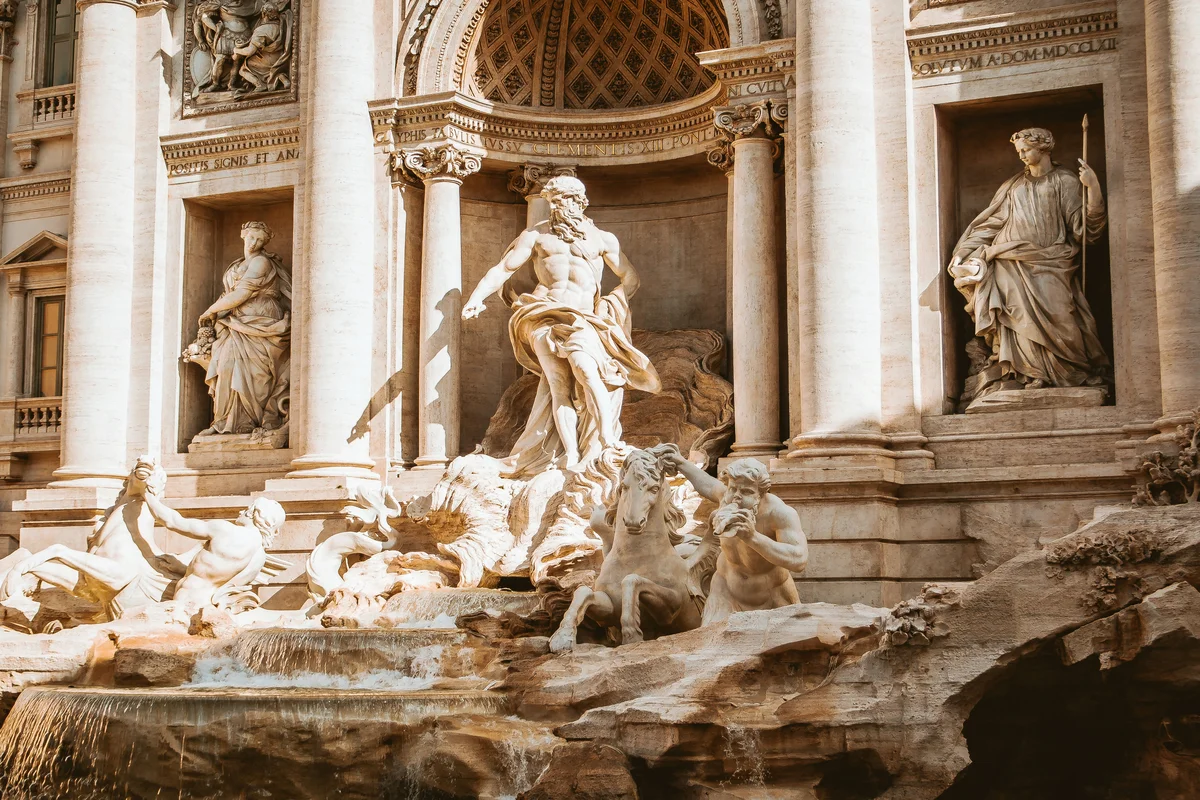
What Is a Patron Deity and How Do You Find Yours?
A patron deity isn't assigned or chosen from a list. It's a relationship that develops, and it often begins before you notice it.
28 April 2026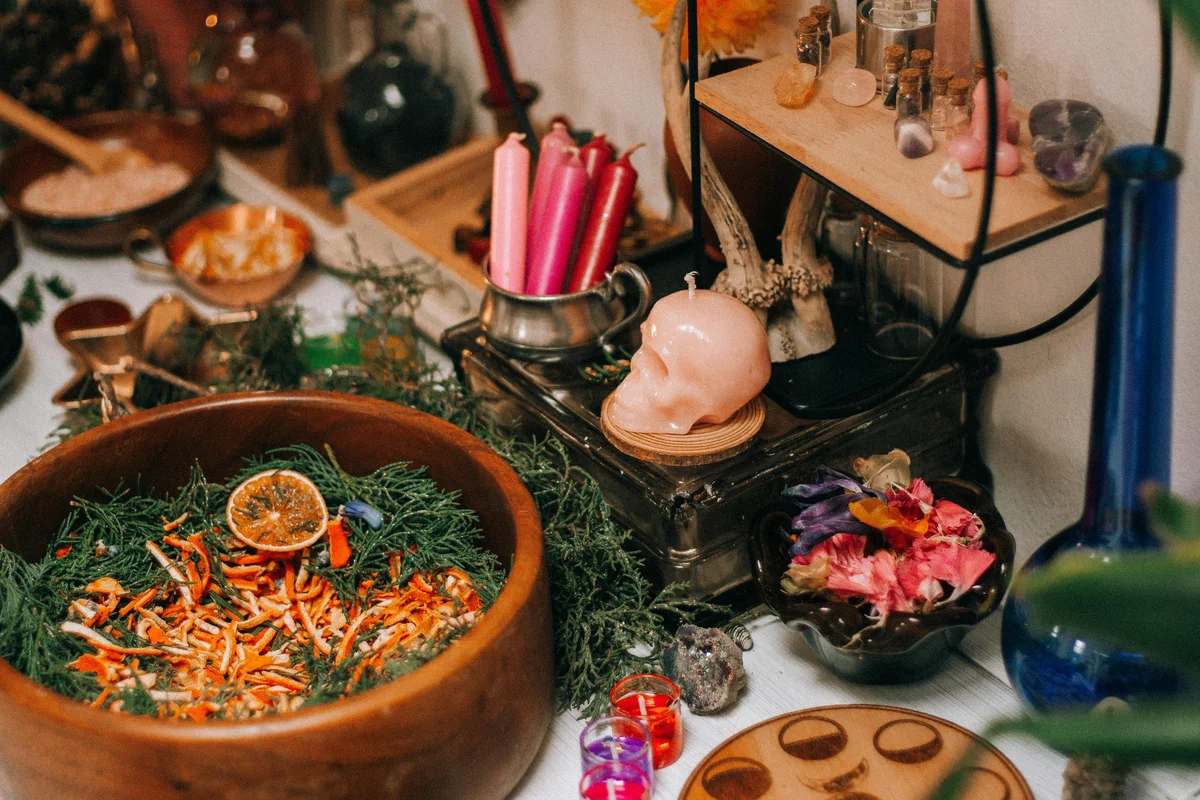
How to Begin Working With a Deity: A Guide for Solitary Witches
Deity work doesn't begin with an elaborate ritual. It begins with attention.
26 April 2026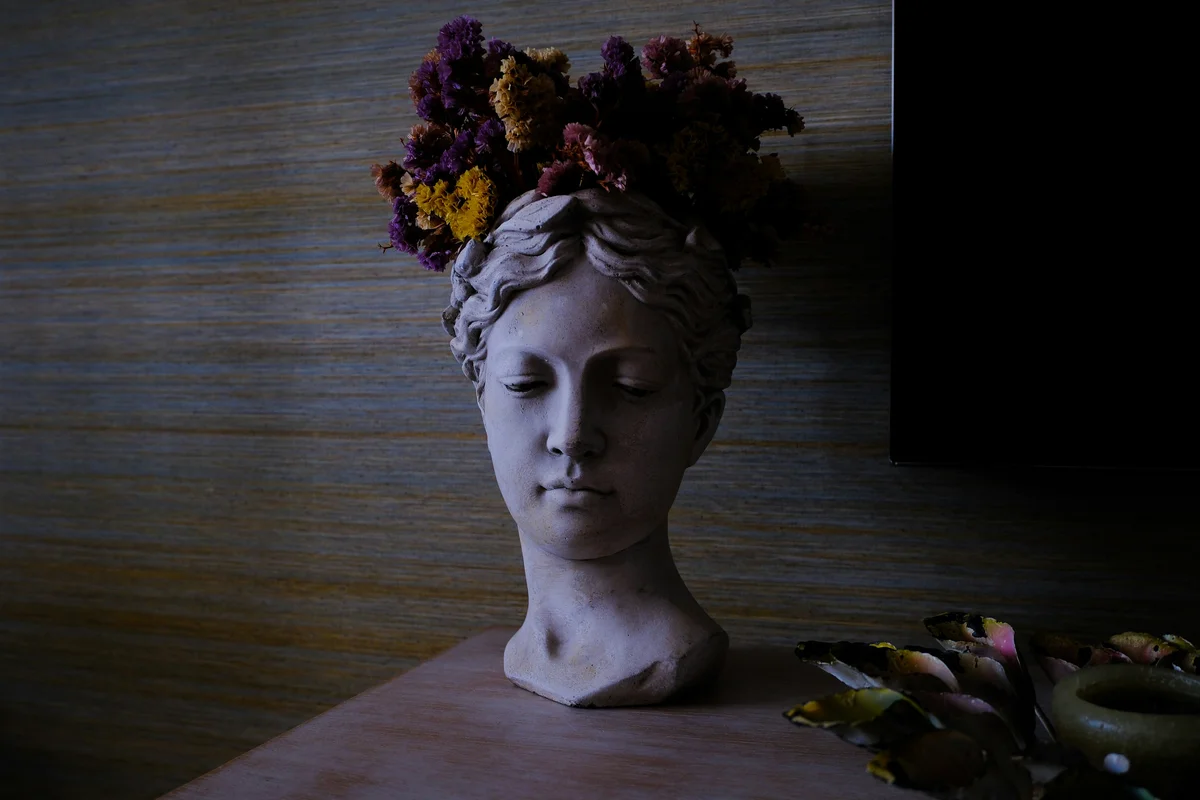
Beltane Deities: Gods and Goddesses of the Fire Festival
Beltane's divine figures are those of fire, fertility, the wildwood, and the full flowering of life.
7 May 2026What you'll find inside
Explore More
Begin your practice
Grimoire is available now on Android and as a web app. Start today.