The Blog
Guides & reflections.
For the solitary witch building a practice that is entirely her own.

This is a working library, not a feed. The pieces collected here are written for the practitioner who reads slowly, returns to what she has read, and uses what she has learned. They are not designed to perform. They are designed to be useful: at the moment of need, and for years afterwards.
I write every piece here myself, as a solitary practitioner of more than twenty years and as someone who spent a long time looking for writing that takes this subject seriously without mystifying it. These are the pieces I wished existed.
Most of what is written about witchcraft online assumes one of two things: that the reader is a beginner who needs to be courted, or a veteran who needs to be impressed. The pieces here assume something different. They assume the reader has a practice, or is building one, and is looking for clear, practical writing about how to deepen it. Whether you have been working solitary for a decade or are lighting your first candle this week, the material starts from where you are.
The posts are organised loosely by territory. Seasonal pieces arrive ahead of each sabbat: the deities, herbs, and themes of the wheel of the year. Practical pieces are concerned with the daily disciplines: grimoire-keeping, tarot habits, working with the moon. Devotional pieces go toward deity work, relationship, and the question of how a witch comes into contact with the divine. None of them are written to be read once and forgotten.
What you’ll find here
Ten threads of a solitary practice.
The sabbats are the eight festivals that turn the wheel of the year: Imbolc, Ostara, Beltane, Litha, Lughnasadh, Mabon, Samhain, and Yule. Each carries its own energy, its own associations, and its own work. The pieces in this section are written to help you celebrate them with intention, whether you have an hour or an afternoon. They cover the deities, herbs, and themes of each festival, and offer practical ways to mark them: alone, simply, and without elaborate apparatus.
Read all Sabbats posts →Working with deity is one of the most personal threads of a witch’s practice, and one of the least written about with care. The pieces here approach the subject without sensationalism and without prescription. They cover how to recognise a deity reaching out, how to begin a relationship, how to build an altar that means something, and how to discern between presence and projection. A patron deity is not assigned. It is encountered. These guides are written for that encounter.
Read all Deity Work posts →The plants a witch keeps are the plants she actually uses. The herbology pieces focus on the small, accessible apothecary: five or six versatile herbs that earn their shelf space, rather than the romantic but unworkable idea of stocking everything at once. You will find seasonal plant guides, correspondences, and practical advice on sourcing, drying, and storing herbs. The aim is to help you build an apothecary that fits your kitchen, your climate, and your craft.
Read all Herbology posts →The most important category, and the most quietly demanding. Practice is what turns interest into craft. The pieces here are about daily rhythms: how to begin a grimoire and keep it, how to build a tarot habit that survives a busy week, what shadow work actually is and how to do it without harm, how to work with the moon’s phases without making it a second job. Sustainability is the theme. A practice that lasts is a practice that fits.
Read all Practice posts →A spell is a structured working that uses materials, intention, and timing to create change. Not a wish: a wish is open-ended, a spell-grade intention is specific enough to track. The pieces in this section gather working spells — sun water, candle workings, jar magic, sachets, charm bags, fire releases — drawn from folk-magic tradition and adapted for modern solitary practice. Where a sabbat shapes a working, the seasonal context is given; where folkloric sources exist, they are cited. The work is always in the specificity, not the lineage.
Read all Spells posts →Tarot, charm casting, and the older folk methods are all forms of the same conversation: a way of asking better questions and listening for what surfaces. The pieces in this section are written from that premise: divination as a mirror, not a forecast. You will find guides to building a daily tarot practice, assembling your own charm-casting set, and approaching the cards or stones in a way that builds genuine fluency over time. No scripted meanings. No fortune-telling.
Read all Divination posts →Crystals and stones are some of the oldest tools in a witch’s apothecary, and some of the most often misunderstood. The pieces in this section approach them with care: not as miracle objects with prescribed meanings, but as living mineral correspondences that take on personal weight through use. You will find profiles of individual stones, guidance on cleansing and bonding, and practical advice on building a small, working collection rather than a sprawling shelf of crystals you do not yet know.
Read all Crystals posts →Astrology is one of the oldest tools in the witch’s reference library, and one of the most often mistaken for fortune-telling. The pieces in this section treat it as a self-knowledge practice and a timing tool, not a forecast. You will find guides to reading your natal chart, working with planetary hours and lunar phases, and using the sky as a frame for understanding cycles in your life and your craft.
Read all Astrology posts →Numerology is the practice of treating numbers as carriers of meaning rather than mere quantities. The pieces here are written for practitioners who want to work with the discipline seriously: how to calculate your life path number, how to interpret repeating angel numbers, what the digits in your birth date and name suggest, and how to use numerology as a complement to tarot, astrology, and other forms of divination. No prescription. No fortune-telling. A study of pattern.
Read all Numerology posts →Long before any tradition was named, certain places were already considered sacred. Stone circles, fairy pools, ancient forests, naturally formed stones; landscapes and objects that carried numinous weight in the folklore of the people who lived among them. The pieces in this section profile those places and the things they produce, from standing stones and hag stones to sacred springs and holy mountains. They approach the subject with the seriousness it deserves: not as tourist destinations, but as parts of a working spiritual geography that a solitary witch can step into without travelling. Some you can visit. Some you can only read about. All of them shape how a witch thinks about the relationship between place, object, and practice.
Read all Sacred Sites posts →From the Greek Magical Papyri to the Picatrix to the Key of Solomon, modern witchcraft rests on a small library of older texts — some genuinely ancient, some early modern, some claimed as ancient by their nineteenth-century compilers. The pieces in this section examine those texts honestly: what they actually contain, where they came from, what is known and disputed about their origins, and what they offer to a working practice today. The aim is to read primary sources on their own terms, neither romanticising their antiquity nor dismissing their influence on the tradition that claims them.
Read all Ancient Occult Texts posts →Most modern witchcraft writing skips the history. The pieces in this section restore it. They cover the witch trials of early modern Europe and colonial America — Pendle, Salem, North Berwick, and the wider European witch craze — and the broader history of cunning folk, folk magic, and the long centuries during which the practices that became modern witchcraft were criminalised, persecuted, or quietly survived. The aim is to know who was killed, what they actually did, and what their lives mean to the practitioner who lights a candle on the altar today. History is not the same as lineage, but it is what lineage rests on.
Read all History posts →Multi-piece arcs best read in sequence, like the Wheel of the Year intention practice threaded across all eight sabbats.
View all series →New pieces are added regularly, with seasonal posts arriving ahead of each sabbat. If you are looking for something specific, the category filters below will narrow the view. If you are reading at random, the posts speak to one another. Start anywhere, and the threads will surface.
Grimoire was built to hold the practice this writing describes: the journal, the apothecary, the deity log, the tarot record, the wheel of the year. The blog and the app are two sides of the same thing. The writing tells you why. The app holds what you do with it. Both are yours to use privately, at your own pace, without anyone watching.
If you find a piece useful, save it. Return to it. The work of a solitary witch is not a feed to be consumed. It is a craft to be kept.
Herbs of Samhain: Plants for the Thinning Veil
Herbs of Samhain, from mugwort and rosemary to the poisonous nightshades of flying-ointment folklore. Their history, their uses, and the safety that matters.
Working with Grief: Practice for the Dark Half
Working with grief in the dark half of the year: a witch's guide to mourning practice, the candle and set place, and ancestor work for recent loss.
Protection Spells: A Working Guide
Protection is the most-requested category of spell work; and the one where most beginner content over-promises. A complete working guide: what protection magic actually does, personal and home protection techniques, the witch's bottle as the foundational practice, maintenance and renewal, and an honest treatment of online protection.
Samhain for Solitary Witches
Samhain doesn't celebrate — it marks. The wheel has turned, the dead are present, and the night asks for presence rather than performance. A complete solitary practice guide: the dumb supper, ancestor altar work, divination, the Samhain altar, journal prompts, and the discipline of the vigil.
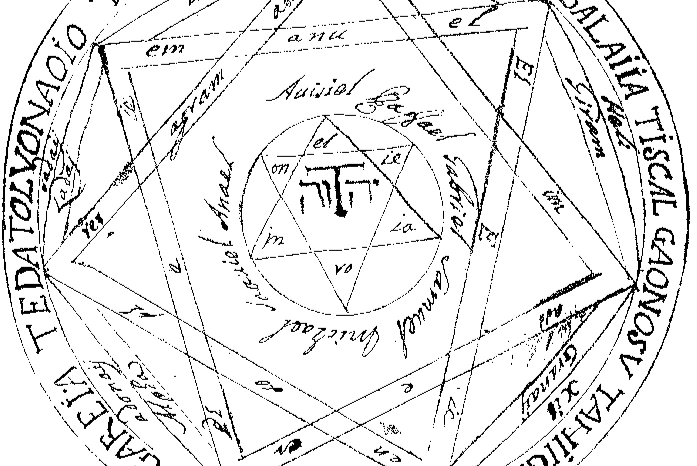
The Key of Solomon
The Key of Solomon is the most famous medieval grimoire — and the source of almost every magical tool in modern Wicca. The athame, the wand, the cup, the pentacle, the cast circle, the planetary hours. A source-critical account of what the text actually contains, where it came from, and how it reached your practice.
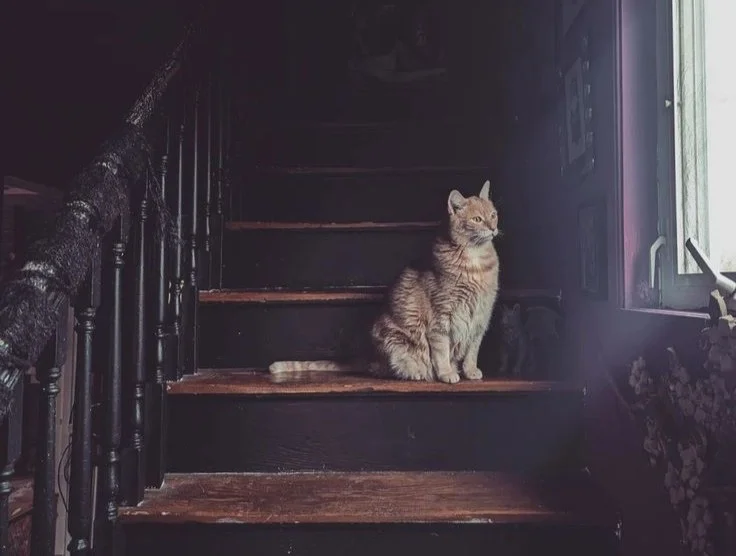
Familiars: Folkloric Companions of Witches
When a witch was accused at trial, one of the first questions asked was about her familiar. The English trial records are dense with named animal companions — Pyewacket, Vinegar Tom, Grizzell Greedygut. A source-critical account of what familiars actually were in the historical record, and what modern witches mean when they use the word.
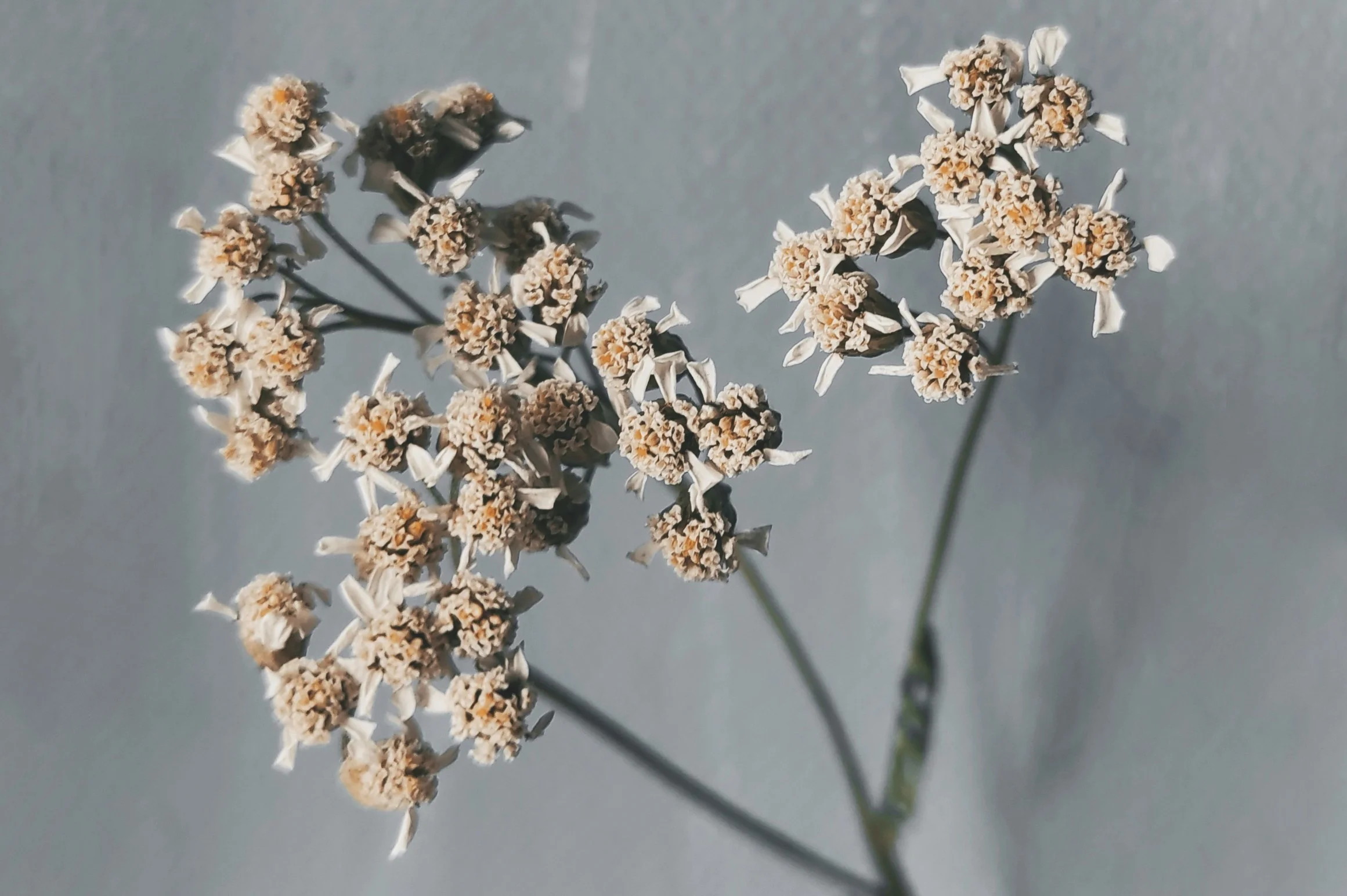
The Witch's Guide to Yarrow
Yarrow has been named in almost every Grimoire herb piece — the wound-herb of Achilles, the I Ching's divinatory stalk, the English love-dream herb. A complete profile: botany, folklore across three distinct traditions, magical correspondences, practical use, and three simple workings.
Samhain Deities
Samhain has the richest deity associations of any sabbat: Hekate, the Morrigan, the Cailleach, Cerridwen, Hel, and the leaders of the Wild Hunt. Six deity profiles with mythology, honest historical context, and how to work with each at the crossing of the year.
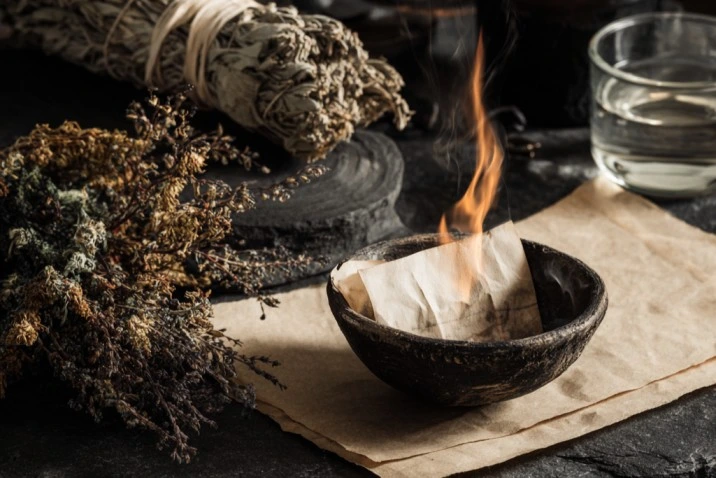
Banishing Spells: How to Release What's Holding You
Banishing is one of the most practical kinds of spell work, and one of the most confused with cursing. A complete working guide: what banishing actually does, why it is not the same as cursing, three techniques with full instructions, and why aftercare is half the working.
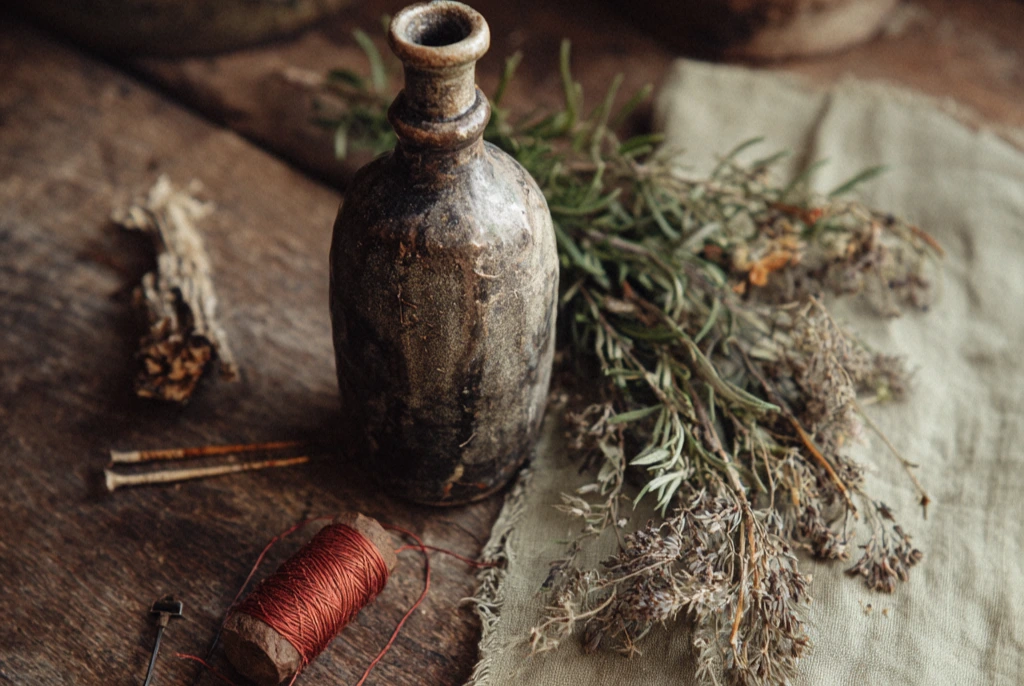
Witch Bottles: Archaeology and Practice
Beneath the floors of old English houses, archaeologists have been finding sealed bottles of iron pins, urine, hair, and protective herbs for two centuries. These are witch bottles — the most archaeologically attested form of folk magic in English history. A source-critical account of the evidence, the cunning-folk tradition behind it, and how to make one.
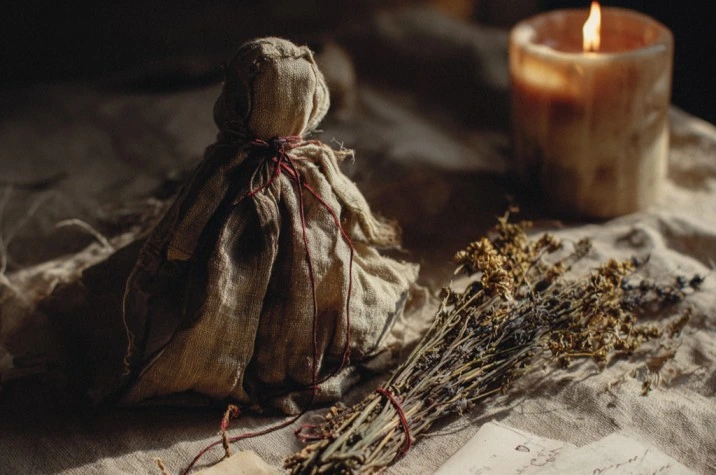
Sympathetic Magic: A Primer
Almost every spell in the Western tradition operates on two principles: like affects like, and things once in contact remain connected. A complete framework for understanding how spells actually work — the two laws of sympathetic magic, their practical expression across every spell technique, and why knowing the theory makes you a better practitioner.
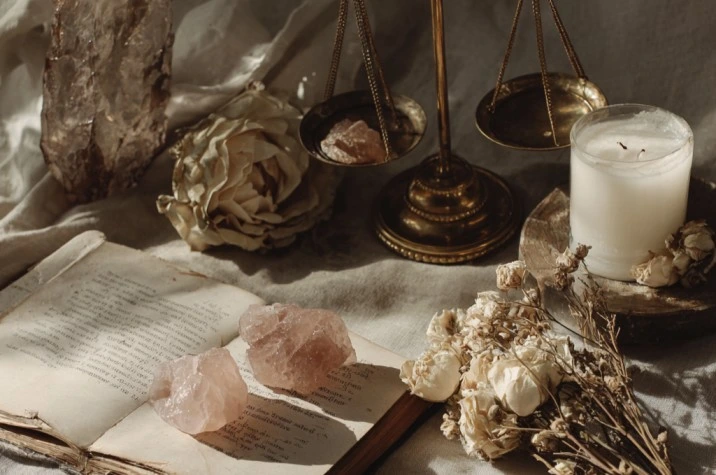
Libra Season 2026
Libra Season opens 22 September with the autumn equinox itself, then brings a Harvest Moon in Aries on 26 September, Mars into Leo on 27 September, and Mercury into Scorpio on 30 September. A complete guide to 2026's Libra Season: the relational mirror, partnership and justice, rituals, correspondences, and how to use the season's particular tension.
Mabon Energy and Intentions
The autumn-equinox piece in the wheel-of-year intention arc: Beltane was commit, Litha was recognise, Lughnasadh was account, Mabon is integrate. What Mabon energy supports, how to set an intention at the autumn equinox, and the particular relief that comes from folding the year's work into who you are rather than continuing to work on it.
Equinox Magic: Spells for Mabon
Five working spells for the autumn equinox: an apple working, an equinox balance ritual, the Mabon harvest accounting, a descent working, and a protection jar for the darkening year. Specific, sourced, and adaptable for solitary practice.
Beginning Ancestor Work
Ancestor work is one of the oldest spiritual practices in human history — and one of the least addressed in modern Western witchcraft. A structured introduction for the solitary practitioner: what it is, how to build a basic altar, how to show up consistently, how to work with difficult ancestors, and how to engage with the practice honestly.
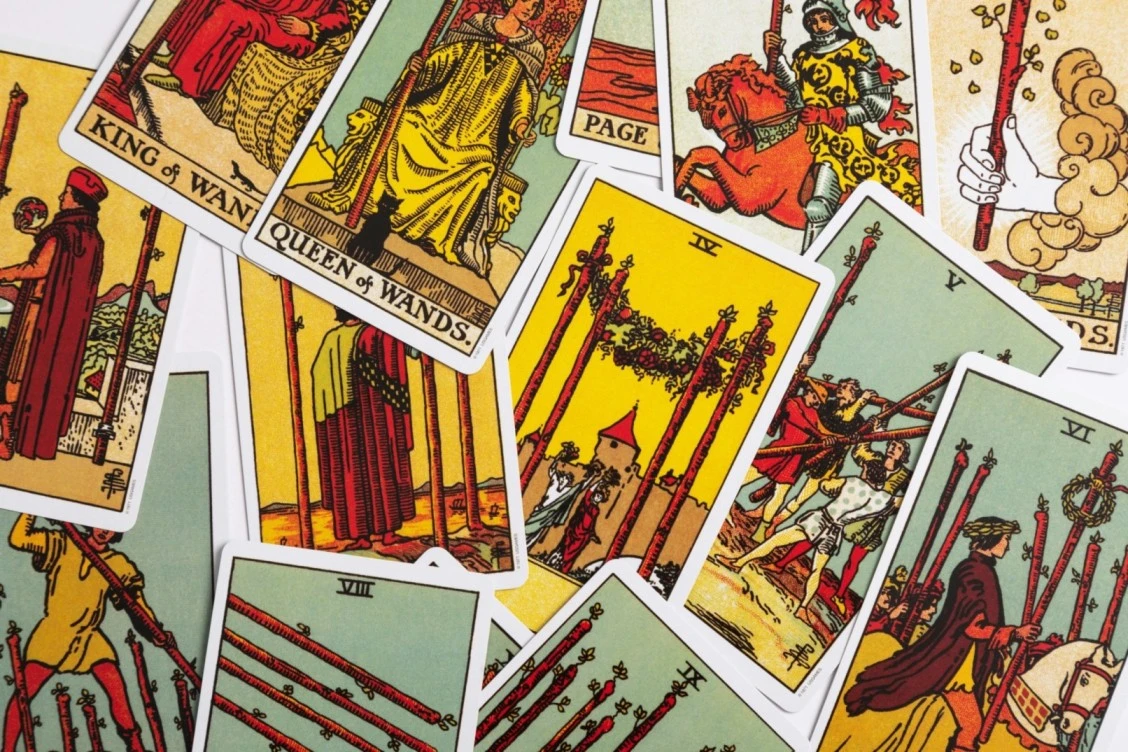
The Minor Arcana for Beginners
The 56 cards of the Minor Arcana are the working core of practical Tarot reading — the suit that tells you not what life-theme is present but how it is showing up this week. A complete beginner's guide: the four suits and their elements, the numerical structure that applies across all 56 cards, the court cards, and how to actually read them.
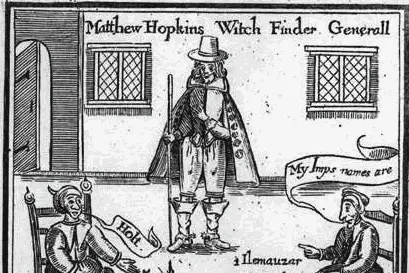
Matthew Hopkins, the Witch-Finder General
Between 1644 and 1647, a self-styled 'Witch-Finder General' with no official authority moved through the eastern counties of England during the chaos of the Civil War, leaving behind approximately 100 executions — more than the entire previous century of English witch trials combined. A source-critical account of Hopkins, his methods, and his victims.
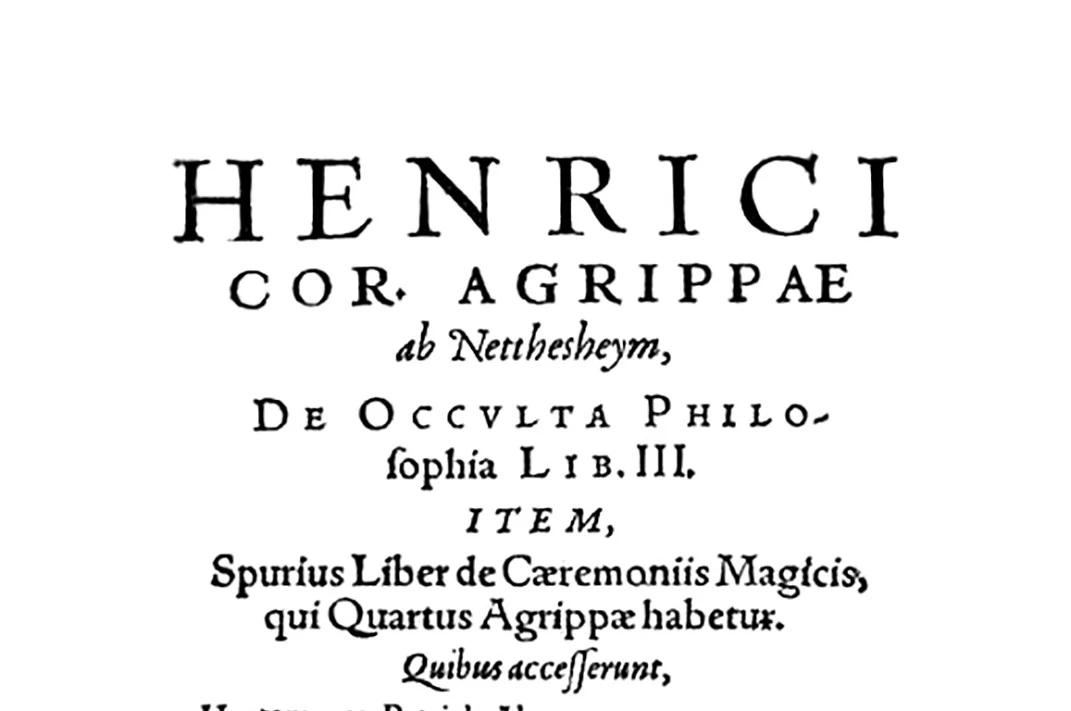
Agrippa's Three Books of Occult Philosophy
Heinrich Cornelius Agrippa's De Occulta Philosophia (1531–33) is the load-bearing wall of Western magical thought: the book that gathered the entire inheritance of classical, Hermetic, Kabbalistic, and Christian magical knowledge into a single systematic treatment. Every correspondence table in modern witchcraft has its ancestor here.
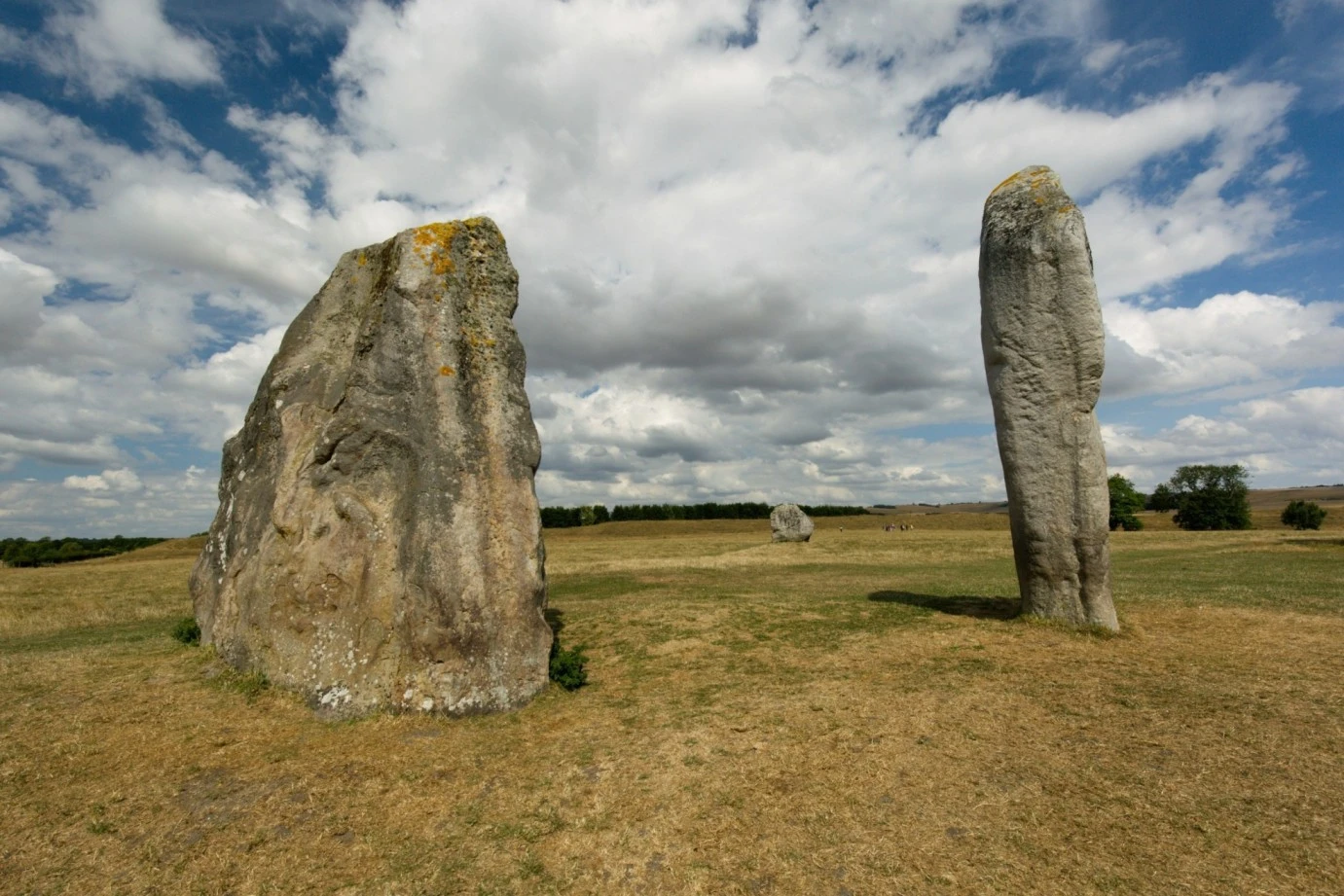
Avebury
Larger than Stonehenge, older in parts, and almost entirely unknown outside Wiltshire; Avebury is Britain's most substantial Neolithic sacred landscape. A layered account of the henge, the wider monument complex, the medieval village inside the ancient circle, and how to work with the site.
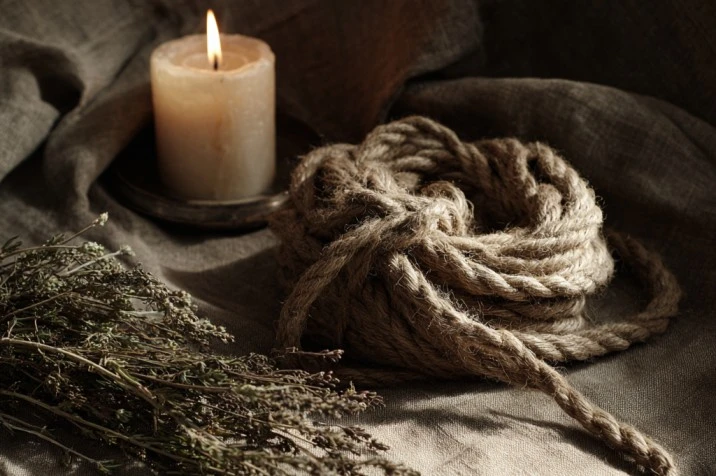
Knot Magic: A Witch's Guide
Knot magic is one of the oldest and most cross-cultural forms of folk magic in the Western tradition — sailors, cunning folk, and folk healers all worked with knotted cords. A complete working guide: the witch's ladder and its honest history, the nine-knot working with full instructions, releasing cord spells, and materials guidance.
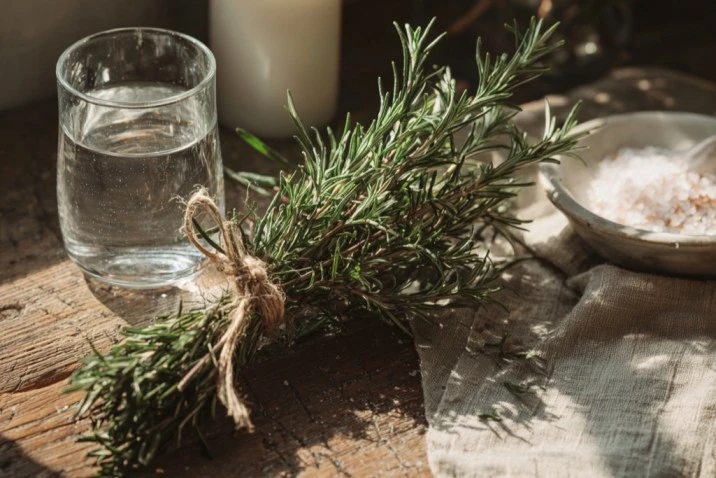
The Witch's Guide to Rosemary
Rosemary is the most quietly ubiquitous herb in the Western witchcraft tradition — present at weddings and funerals alike, in bridal garlands and mourning wreaths, on every Mediterranean doorstep and in every kitchen. A full profile: botany, folklore, magical correspondences, and why it is not a substitute for white sage but a tradition in its own right.
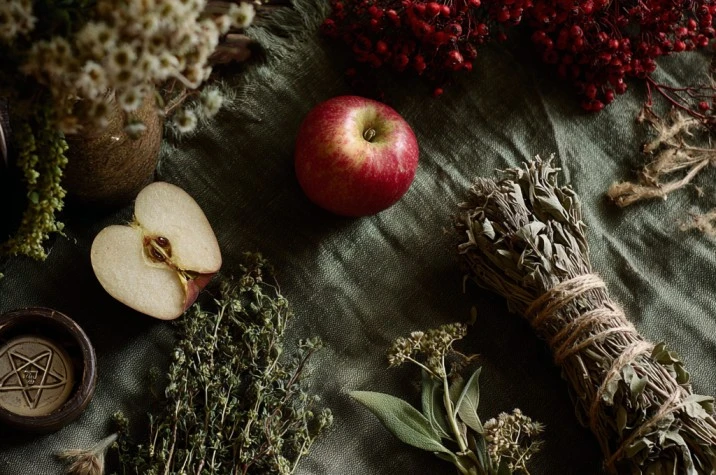
Herbs of Mabon
Five herbs for the autumn equinox: apple, hawthorn berries, sage, yarrow, and mugwort in its autumn aspect. Botany, folklore, magical correspondences, and how to work with each at the turning of the year.
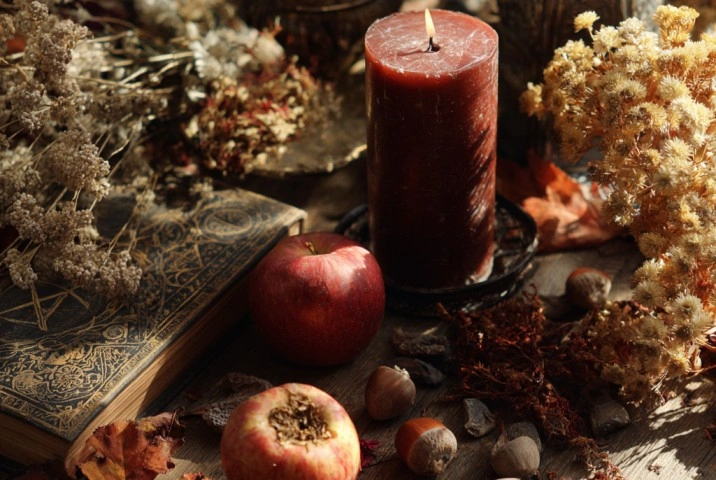
Mabon for Solitary Witches
Mabon falls on the autumn equinox: the moment of perfect balance before the year tips into the dark half. A complete practical guide for the solitary practitioner: rituals, altar, journal prompts, and how to work with the season's central theme of equilibrium and release.
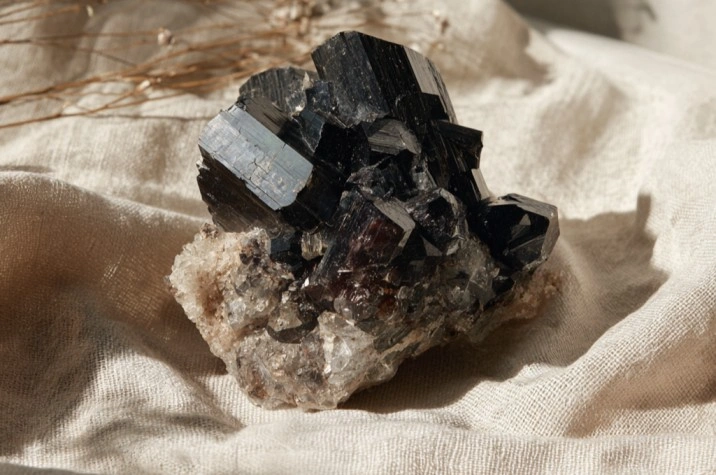
The Witch's Guide to Black Tourmaline
Black tourmaline is the most widely used protective stone in modern witchcraft. A complete profile: mineralogy, magical correspondences, threshold and grounding work, the selenite pairing, the EMF claim examined honestly, and sourcing guidance.
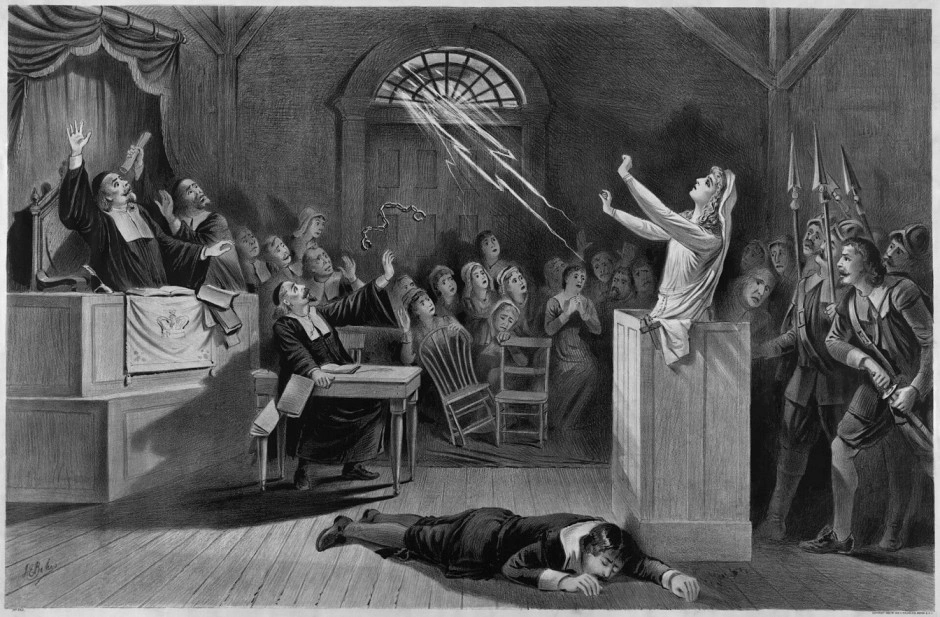
The Salem Witch Trials
The Salem witch trials of 1692 are the most mythologised in history, and the most misunderstood. A source-critical account of what actually happened, who the accused really were, why it happened when and where it did, and what the modern pagan reception gets wrong.
Virgo Season 2026
Virgo Season opens 22 August and brings the year's most important window for editing, refining, and making the work precise. A complete guide to 2026's Virgo Season — the Mercury cazimi and lunar eclipse on 27 August, the Jupiter-Saturn trine on 31 August, rituals, correspondences, and how to use the season well.
Mabon Deities
The deities of the autumn equinox: Mabon ap Modron, Modron, Persephone and Demeter, John Barleycorn, and the Cailleach. Who they are, where they come from, and how to work with them at the turn of the year.
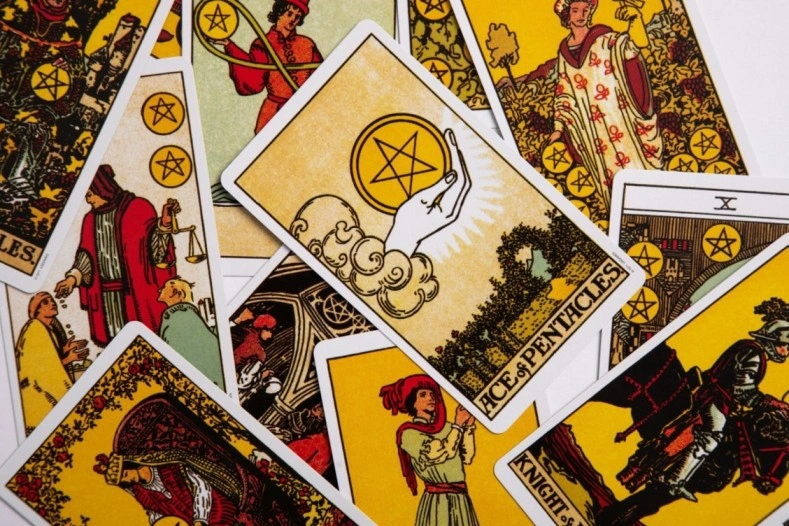
The Major Arcana for Beginners
The 22 cards of the Major Arcana are the spine of the Tarot deck: the ones that carry the deepest archetypal weight and mark the most significant themes in a reading. A complete beginner's guide: the Fool's Journey, every card characterised, and how to actually learn them.
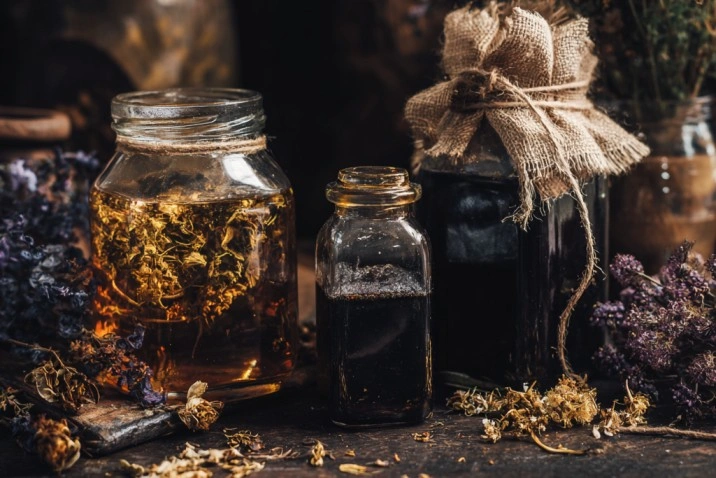
Jar Spells: A Working Guide
Sweetening jars, banishing jars, money jars. Jar spells are among the most widely practised workings in modern witchcraft. A complete working guide: the Hoodoo roots of the tradition, how to engage with them honestly, and three fully worked examples.
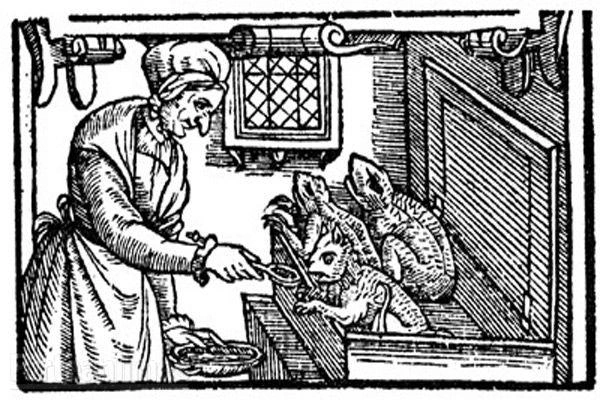
Cunning Folk: The Working Witches of English History
For five hundred years, when ordinary English people needed magical help, they went not to a witch but to a cunning man or cunning woman: paid professional folk-magicians present in nearly every parish. Who they were, what they did, and what modern witchcraft actually inherits from them.

Eclipse Season 2026
August 2026 contains two eclipses that bracket the month and pivot the next eighteen months of the astrological year. A complete guide to the Leo solar eclipse on 12 August and the Pisces lunar eclipse on 27 August: what they mean, what they ask of you, and how to work with them.
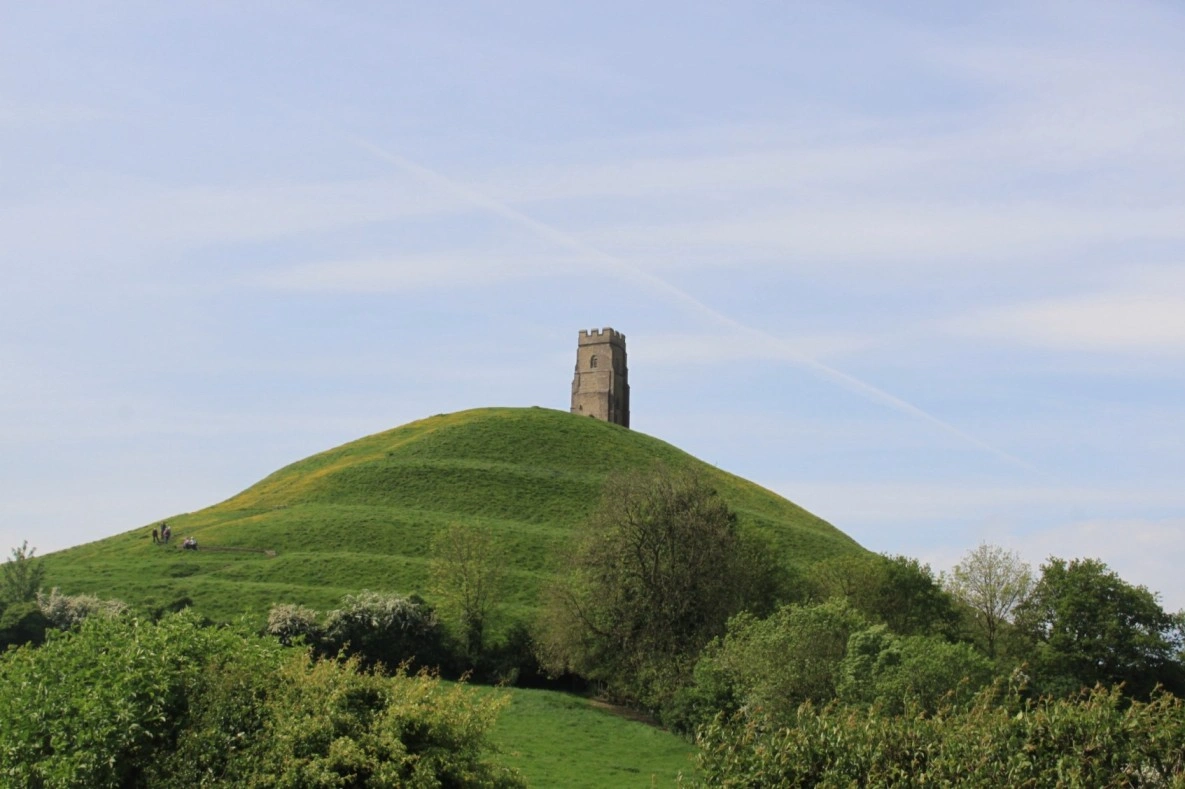
Glastonbury Tor
A hill in Somerset that has been a Neolithic settlement, the legendary Isle of Avalon, a Christian monastic stronghold, and one of the most significant sites in modern paganism. A layered history of Glastonbury Tor, and how to work with it from a distance.
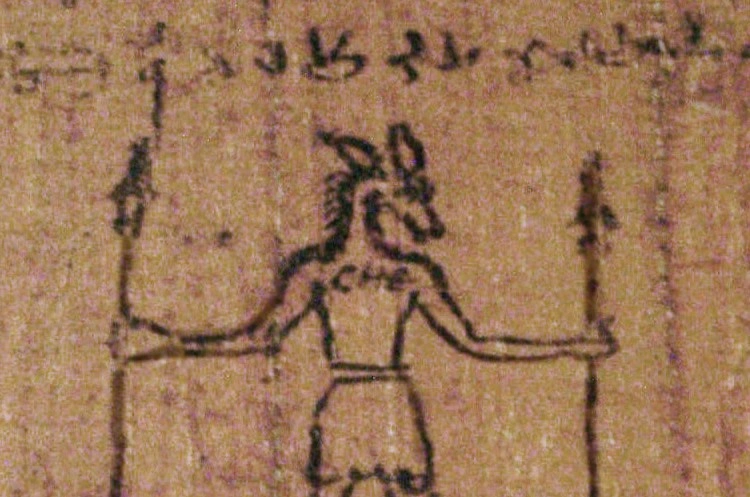
The Greek Magical Papyri
The most important corpus of magical texts you have probably never heard of: practical spells from Greco-Roman Egypt, written across seven centuries. Where they came from, what they contain, and why they are the root of the whole Western grimoire tradition.
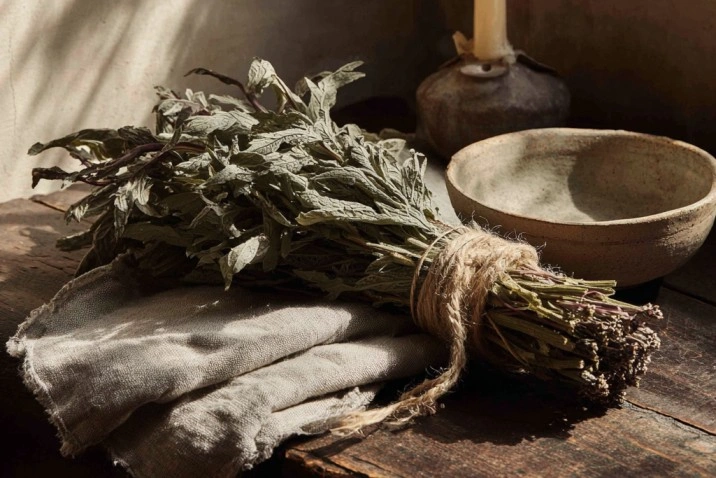
The Witch's Guide to Mugwort
Mugwort is the witch's dreaming herb: the first plant of the Nine Herbs Charm and the most-named herb in this blog. A full profile: botany, folklore, magical correspondences, safe practical use, and three simple workings.
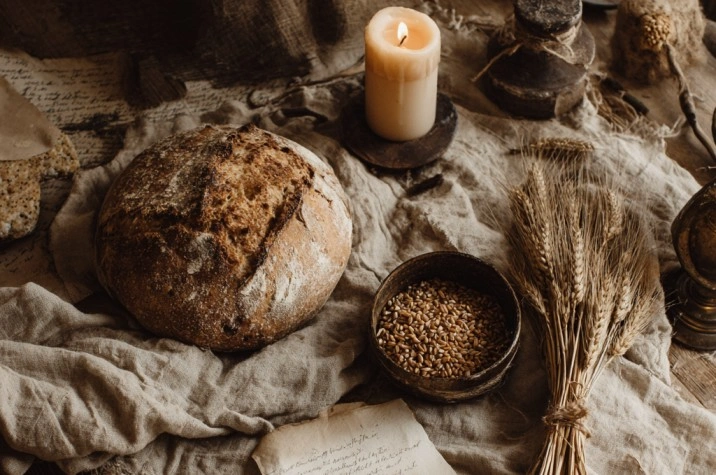
Bread and Grain Magic: Spells for Lughnasadh
Five working spells for the first harvest: a bread-baking ritual, a grain charm, a first-fruits offering, a harvest accounting, and a John Barleycorn release. Specific, sourced, and adaptable for solitary practice.
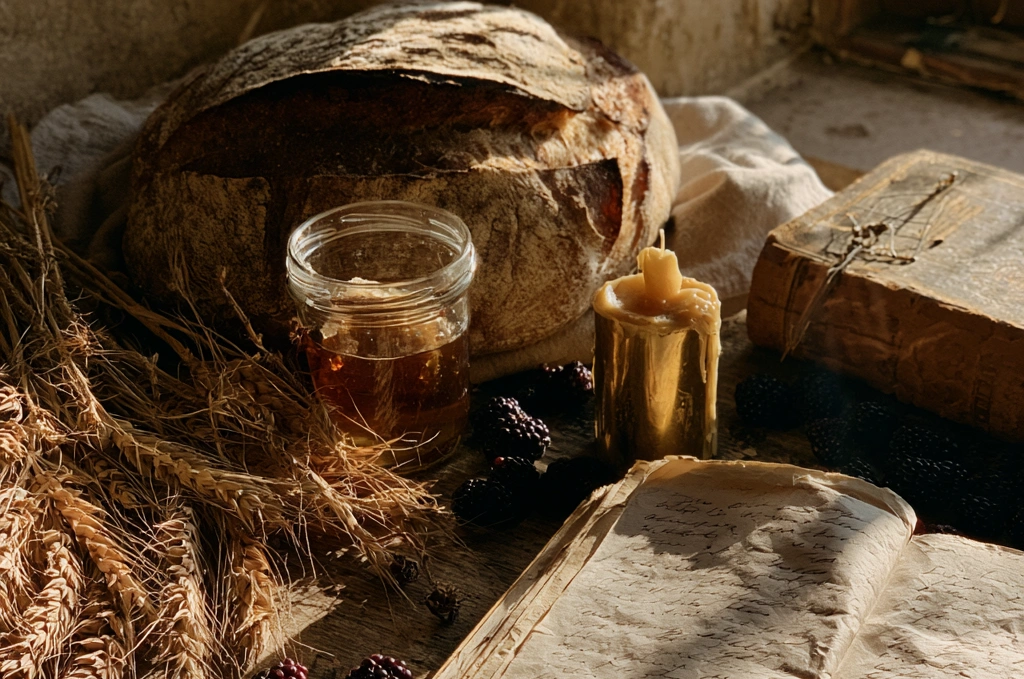
Lughnasadh Energy and Intentions: The Harvest Accounting
The third spoke of the wheel-of-year intention arc. Lughnasadh's mode is accounting: not gratitude, not celebration, but the honest ledger of what was planted, what has returned, and what it cost.
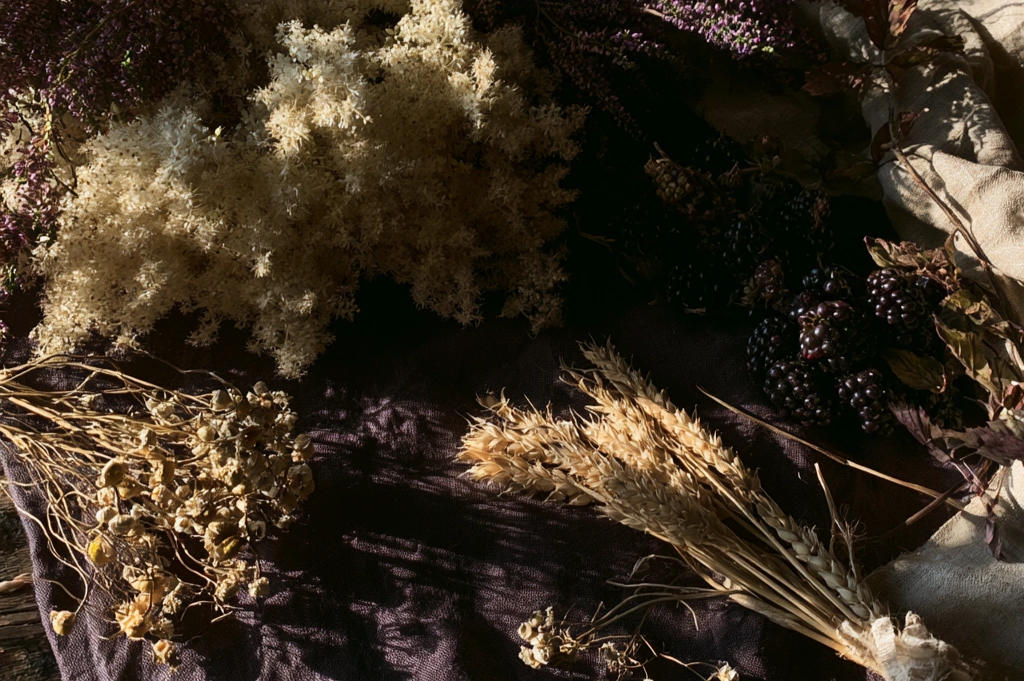
Herbs of Lughnasadh: The Plants of the First Harvest
The herbs of early August: meadowsweet in the damp meadows, heather coming into bloom, the first blackberries in the hedgerows. A guide to the plants of Lughnasadh and how to work with them.
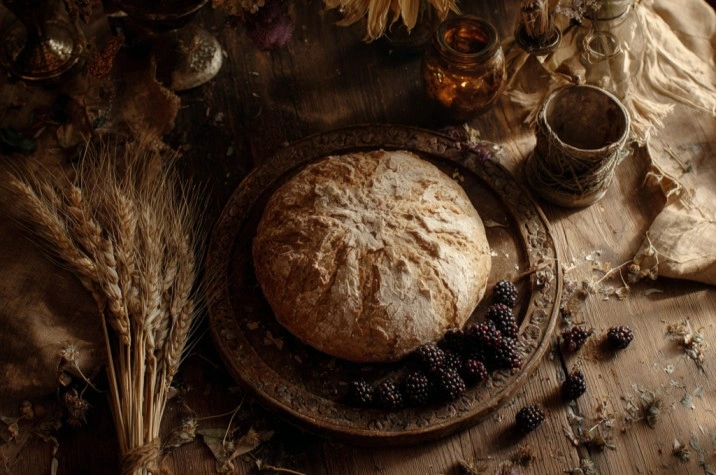
Lughnasadh for Solitary Witches
Lughnasadh falls on 1 August: the first harvest sabbat, the feast of Lugh, and the beginning of the harvest arc that runs to Samhain. A complete practical guide for the solitary practitioner: rituals, altar, journal prompts, and how to mark the first cutting when you are working alone.
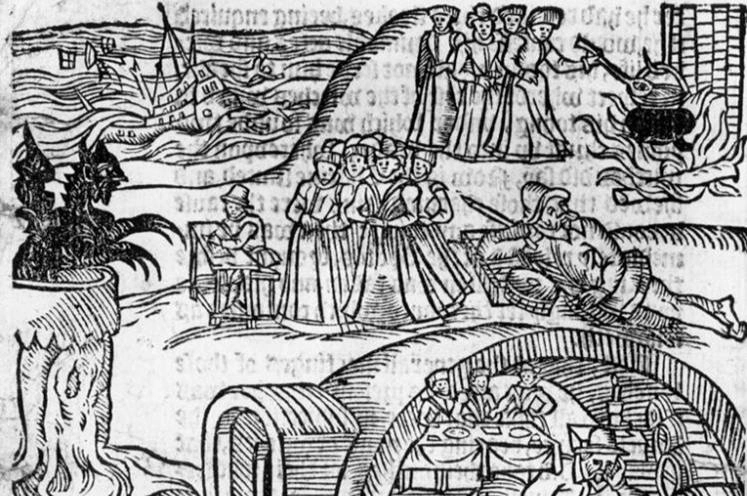
The North Berwick Witch Trials
In 1590, James VI of Scotland personally interrogated accused witches at North Berwick, convinced they had raised storms to sink his ships. What the trial record actually shows, why James wrote Daemonologie in response, and how North Berwick set the template for Scotland's far deadlier witch-hunting tradition.
Leo Season 2026: A Witch's Guide to the Sun in Leo
Leo Season 2026 (22 July to 22 August). What the Sun in Leo means, why this year's season carries unusual depth with the South Node entering Leo and a total solar eclipse on 12 August, and how to work with it in your practice.
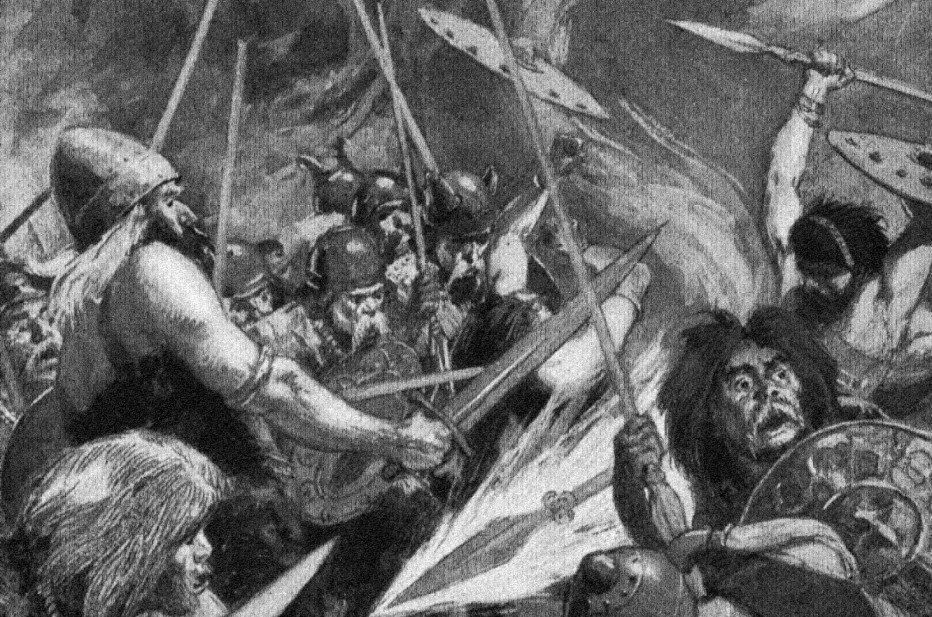
Lughnasadh Deities: Lugh, Tailtiu and the Spirit of the First Harvest
The deities of Lughnasadh: Lugh the long-handed, Tailtiu who cleared the plains of Ireland and died of it, Demeter who guards the grain, and John Barleycorn who dies to become the bread. A guide to the divine figures of the first harvest sabbat.
Sigil Work for Solitary Witches
Sigils are the most modern technique in the Grimoire spells cluster and the one most often taught badly. The Spare method, a complete worked example, the crucial releasing step most content skips, and the honest history of where sigil magic actually came from.
Angel Number 1111: The Gateway, the Threshold and What You Are Walking Toward
Angel number 1111 is the series closer: the most searched, most over-interpreted number in the canon, and the one that requires everything the earlier spokes built to engage with honestly.
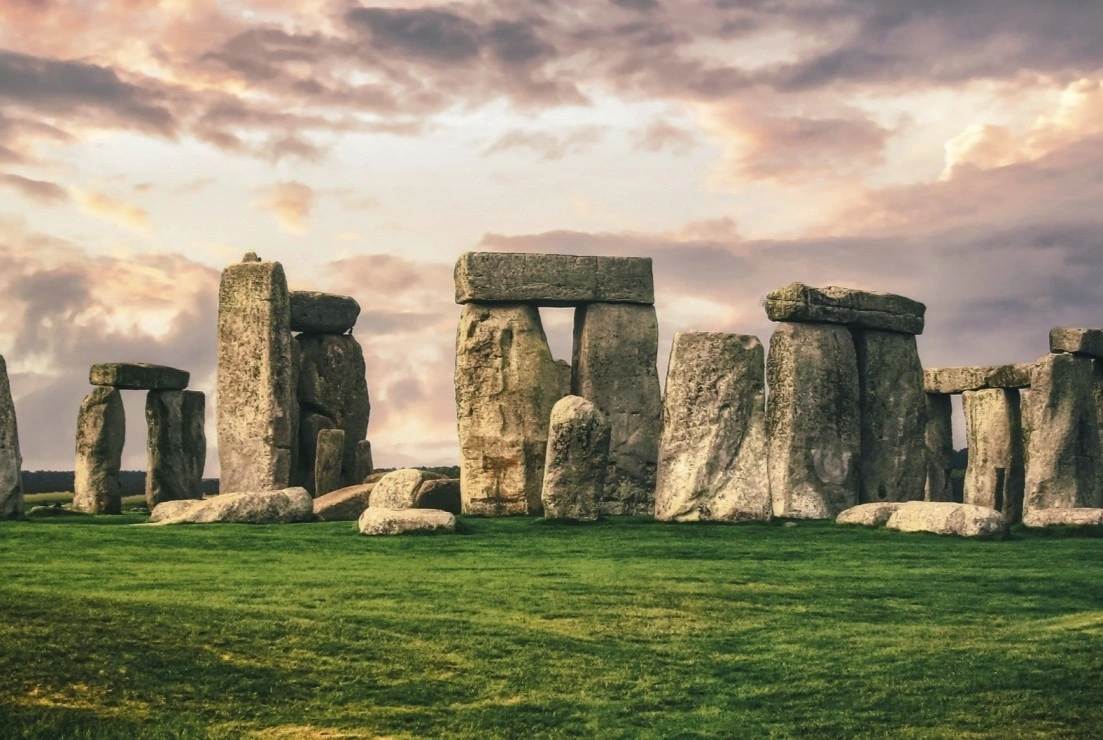
Stonehenge: Stones of the Solstice
What the archaeological record actually tells us about Stonehenge, and what it does not. The solstice alignment, the builders who were not Druids, the 18th-century invention of the Druid-Stonehenge myth, and how to work with the site from a distance.
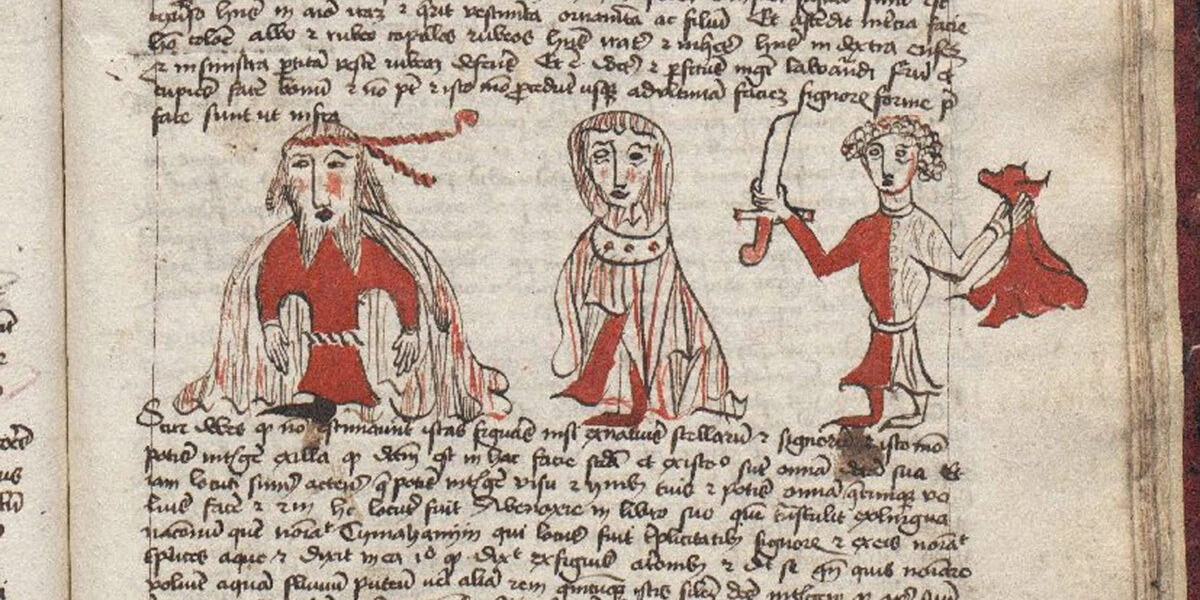
The Picatrix: The Most Influential Book of Magic You Have Never Read
The 11th-century Arabic text Ghāyat al-Hakīm is the foundational handbook of astrological magic in the Western tradition. What it actually contains, where it came from, and why the planetary correspondence systems most witches use daily descend from it.
Angel Number 999: Completion, Closure and the End That Makes Room
Angel number 999 signals the natural close of a long cycle. The actual meaning, the distinction between completion and loss, and how to work with it well.
The Witch's Guide to Lavender
Lavender has been a ritual herb since the Romans named it after washing. The botany, folklore, magical correspondences, practical uses, and simple workings for the most familiar witchcraft herb in the Western tradition.
Candle Magic: A Witch's Guide
Colour correspondences, dressing candles, timing, reading the burn, and a simple candle spell template. The foundational technique of modern witchcraft, with the honest history of where it came from.
Angel Number 888: Abundance, Return and What Comes Back
Angel number 888 signals the harvest of long work: the moment when what you have planted begins to come back. The actual meaning, why it appears around endings, and how to work with it.

What Is Glamour Magic? Confidence, Scent, and Letting Your True Self Be Seen
Glamour magic is not about changing your appearance or bending how others see you. It is about growing the confidence that lets your true self be seen. A practitioner's guide, with the scent ritual at the heart of my own practice.
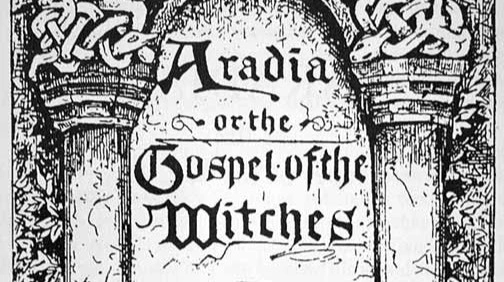
Aradia, or the Gospel of the Witches: The Founding Text of Modern Witchcraft
Charles Leland's 1899 Aradia is the most influential and most contested book in modern witchcraft. What the text actually contains, where it came from, and why it still matters.
Spell Crafting for Beginners: A Witch's Guide to How Spells Actually Work
How spells actually work: the materials, the intention, the timing, and the discipline of specificity. The foundational guide for new witches, and a reference for working ones.
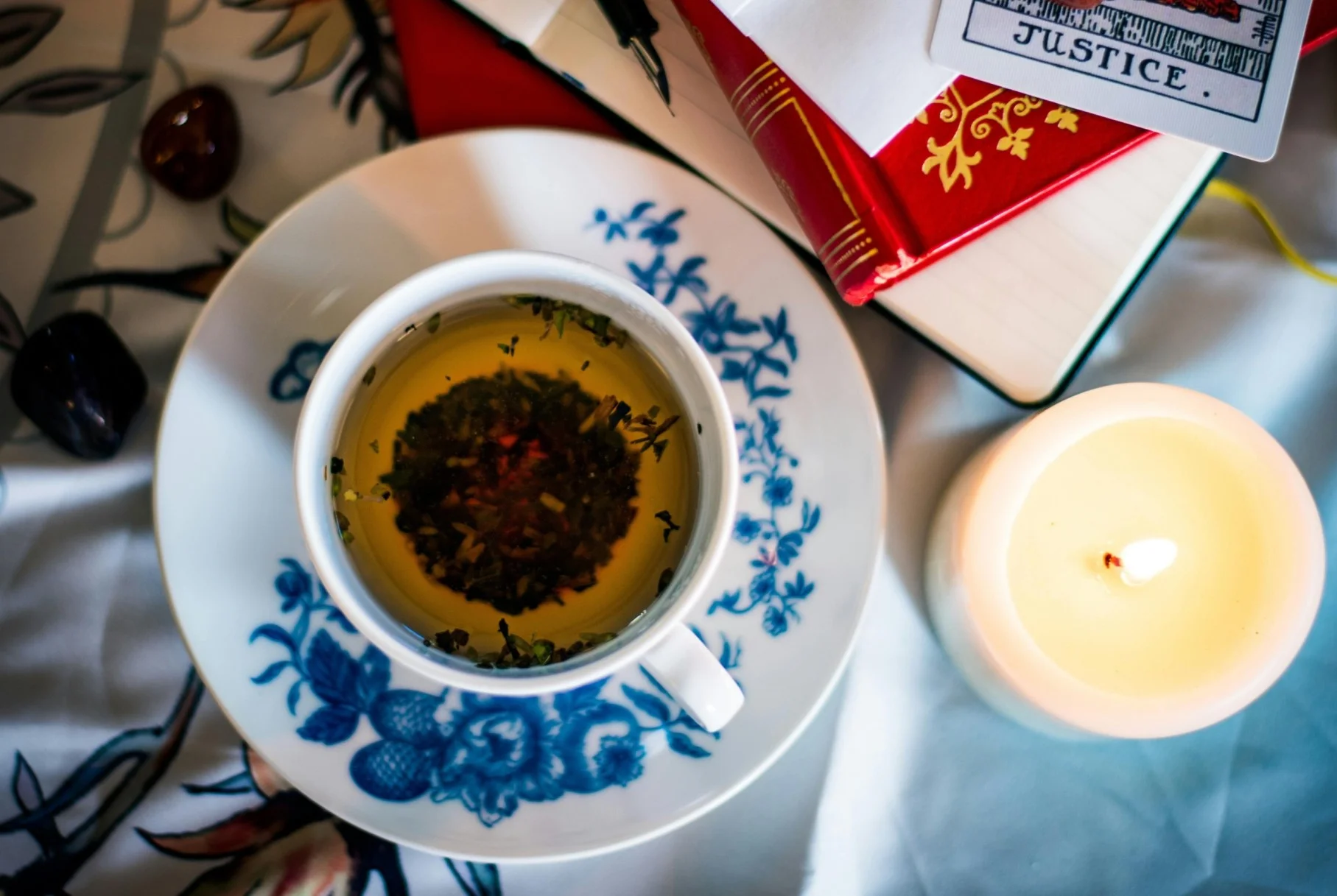
How to Read Tea Leaves: A Beginner's Guide to Tasseography
How to read tea leaves for beginners: choosing your tea, the ritual, reading the cup, and a symbol dictionary of common shapes and what they mean.

Life Path Number Meaning: What Your Birth Date Reveals About Your Practice
Your life path number is calculated from your full date of birth and describes the core themes and tensions of your journey. Here is what each number means and how to calculate yours.
Angel Number 777: Spiritual Awakening, Synchronicity and Inner Sight
Angel number 777 signals spiritual awakening and the patient revelation that follows. The actual meaning, why it appears during quiet periods, and how to work with it.
Cancer Season 2026: A Witch's Guide to the Sun in Cancer
Cancer Season 2026 (21 June to 22 July). What the Sun in Cancer means as Jupiter leaves Cancer for Leo, Mercury stations retrograde in Cancer, and the season's emotional themes intensify.
Litha Energy and Intentions: Working with Solstice Power for the Year Ahead
Litha is the sabbat of recognition and the year's mid-point check-in. Here is how to work with its energy intentionally, and what it is most potent for.
Solstice Sun Magic: Spells for Litha
Five working spells for the summer solstice: sun water, a solar charging ritual, a bonfire release, an abundance jar, and a protective sachet. Specific, sourced, and adaptable for solitary practice.
Angel Number 666: Rebalance, Reframing and the Number Most People Get Wrong
Angel number 666 is widely misunderstood. The Number of the Beast association, the actual meaning in numerology, and how to work with it as a recall to balance.
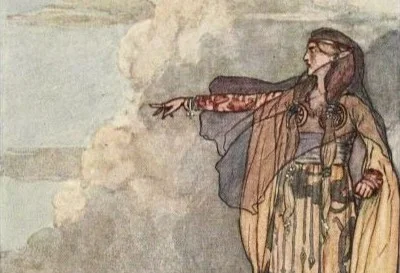
Shadow Work with the Morrigan: Sovereignty, Fate, and the Necessary Ending
Shadow work with the Morrigan, Irish goddess of sovereignty, fate, and war: who she is, why she suits the work of facing what must end, and how to begin.
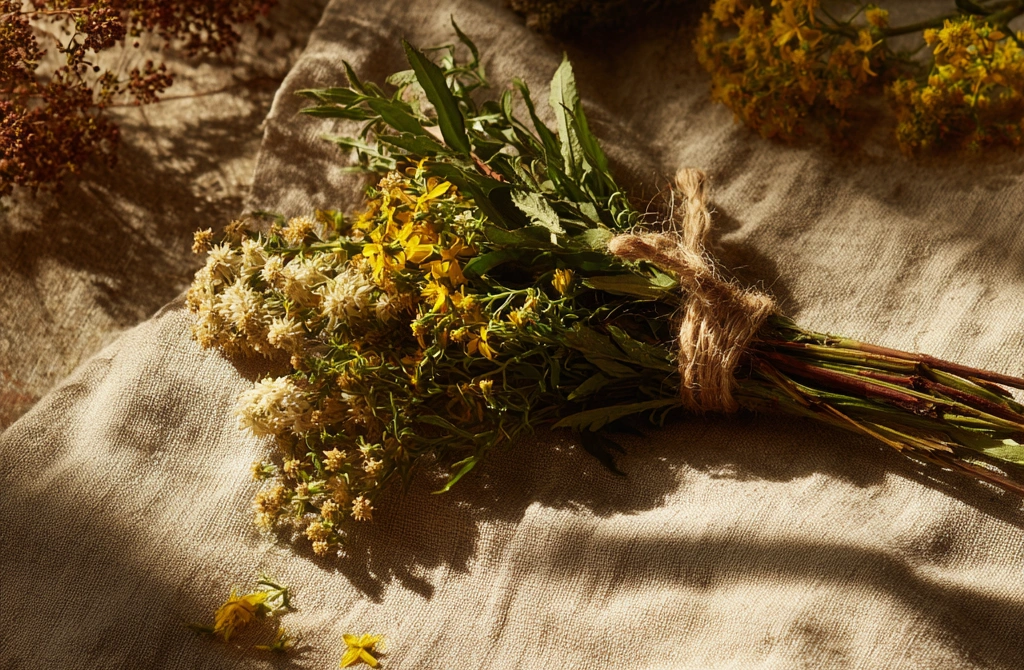
Herbs of Litha: Working with the Plants of the Summer Solstice
Litha's herbs are the plants of midsummer: sun-charged, protective, and central to centuries of European folk practice. Here is how to work with them in your craft.
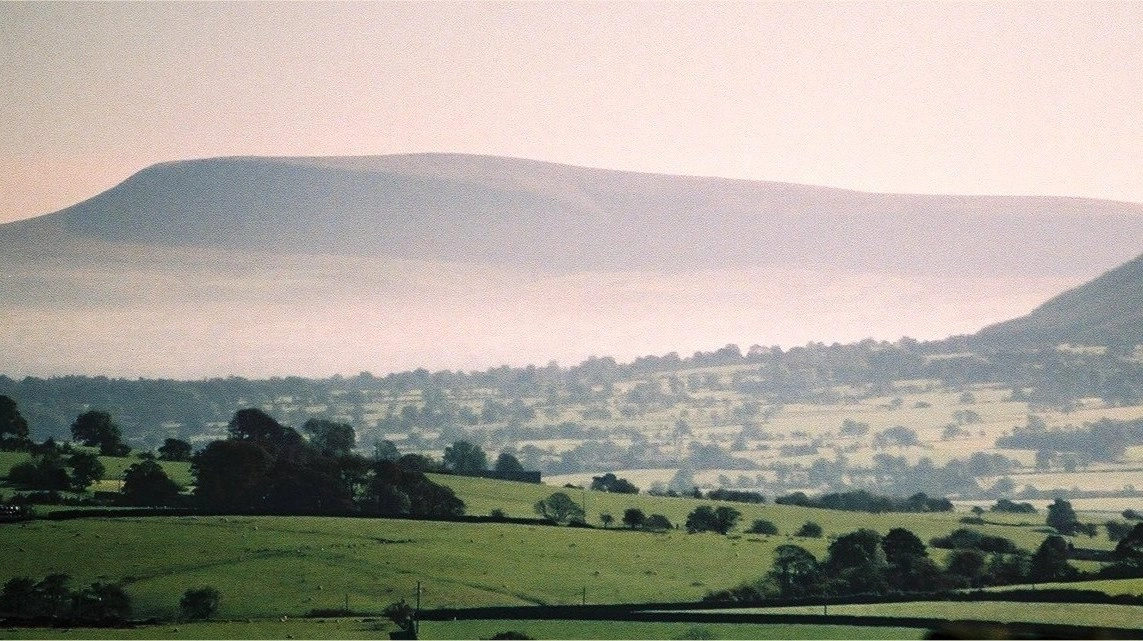
The Pendle Witches: A History of the Lancashire Witch Trials of 1612
The Pendle witch trials of 1612 are among the most documented witch trials in English history. Who the accused were, what actually happened, and how they are remembered by modern witches.
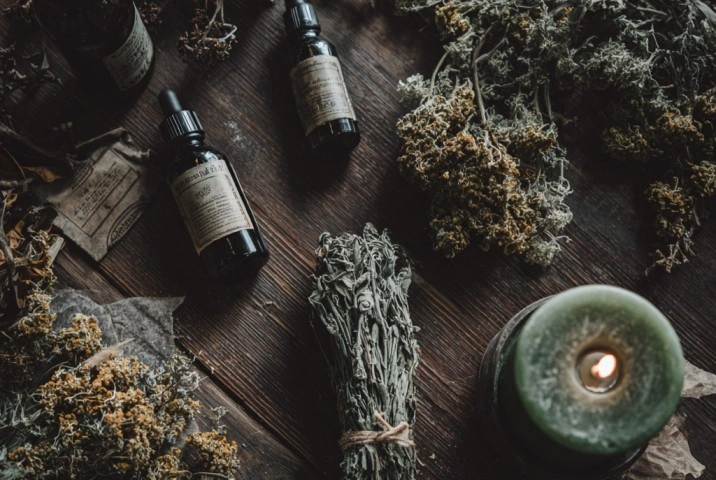
Hoodoo Spell Recipes: Floor Washes, Condition Oils, and Candle Workings
Hoodoo gives you specific plant materials, specific ratios, and specific methods. Six working recipes (floor washes, condition oils, and candle workings) with ingredients, method, and the magical logic behind each one.
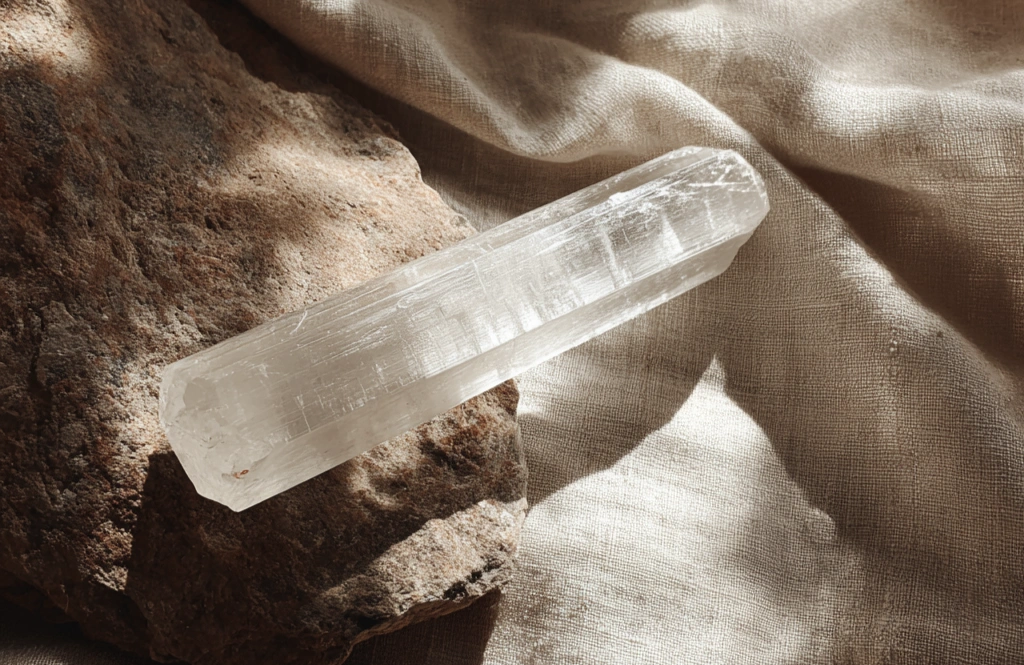
The Witch's Guide to Selenite: Cleansing, Clarity and Practice
Selenite is the cleansing stone of modern witchcraft. The mineralogy, the historical record, why it cannot get wet, and how to work with it accurately as a solitary practitioner.
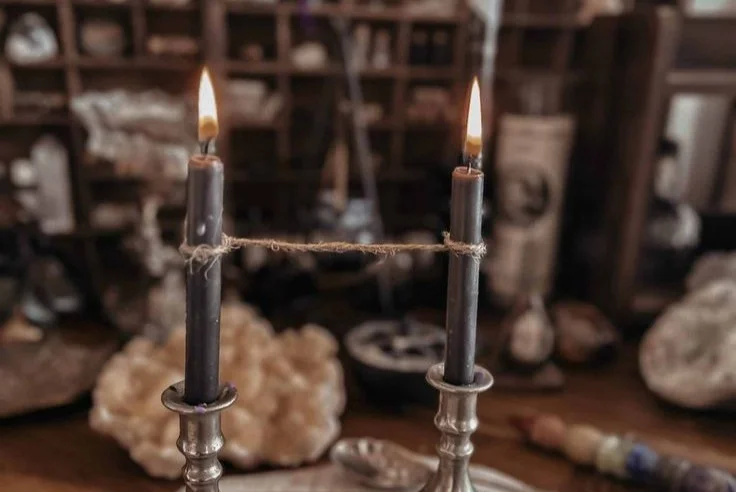
Cord Cutting: How to Release an Attachment Without Severing the Person
Cord cutting meditation and ritual for releasing an old attachment: what it is, what it cannot do, and a simple practice for taking your energy back.
Angel Number 555: Significant Change, Necessary Disruption and Trust
Angel number 555 signals significant change and necessary disruption. The actual meaning, why it appears during transitions, and how to work with it.
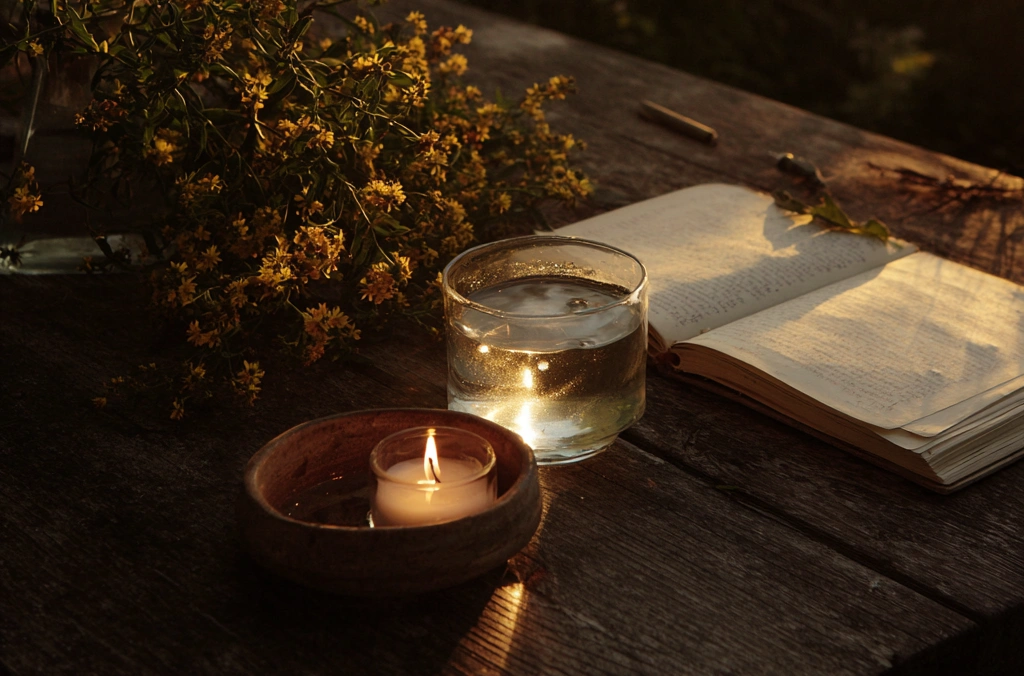
Litha for Solitary Witches: Celebrating the Summer Solstice Alone
Litha is the longest day of the year and the peak of solar power. Here is how to celebrate it as a solitary witch, simply and meaningfully.
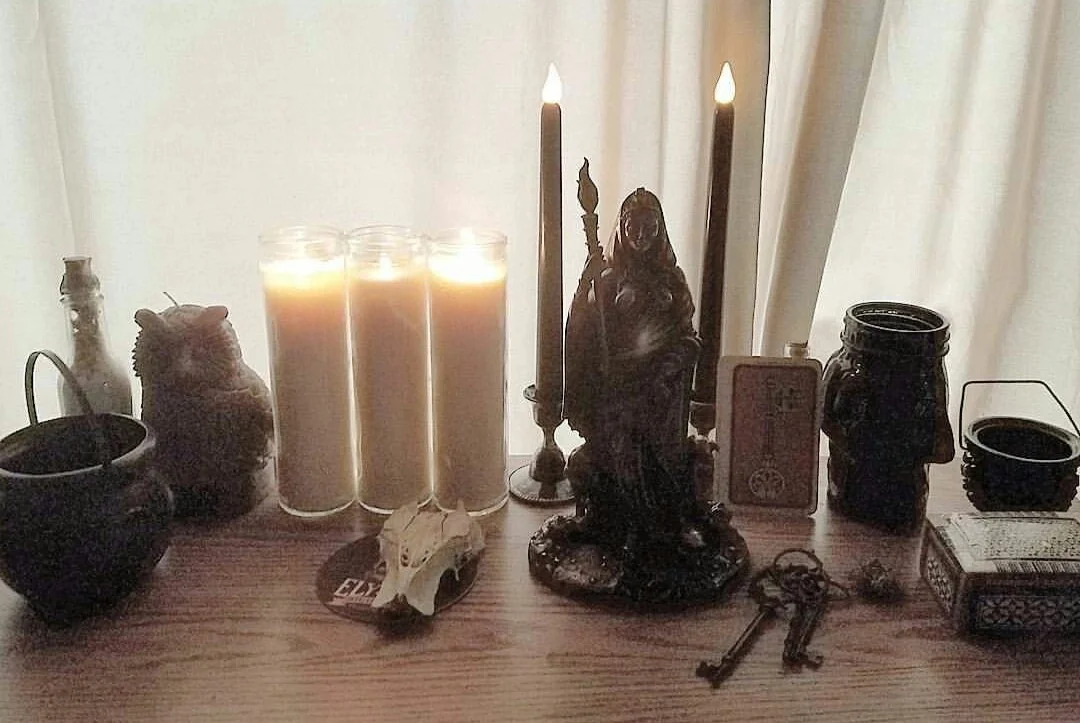
Shadow Work with Hecate: Meeting the Goddess of the Crossroads
Shadow work with Hecate, goddess of crossroads and thresholds: who she is, why she suits the work, and how to begin a practice with her at the dark moon.
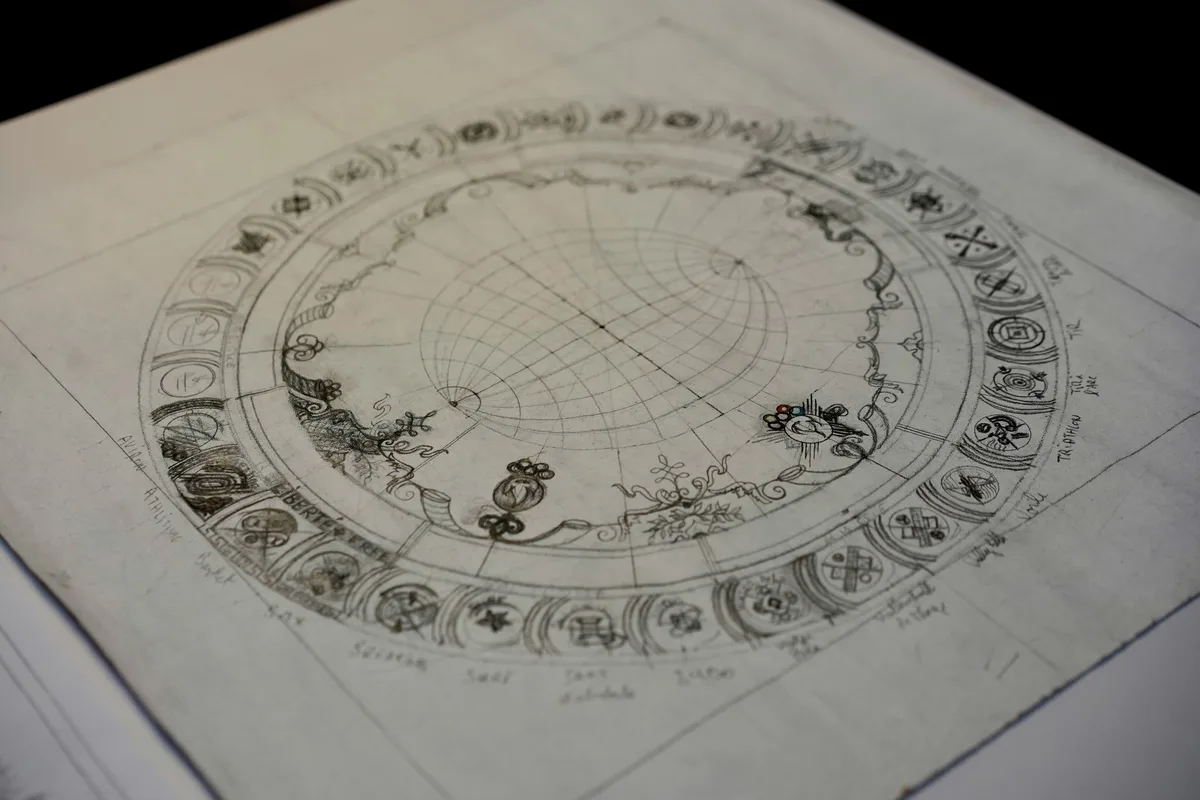
How to Read Your Natal Chart for the First Time
Your natal chart is a map of the sky at the exact moment you were born. Here is how to read it: what the placements mean, where to start, and how to make it useful to your practice.

Shadow Work Prompts: 30 Questions to Begin (and How to Use Them)
Shadow work prompts for solitary practice: thirty questions grouped by theme, plus how to use them safely and pace the work. A gentle, grounded guide.
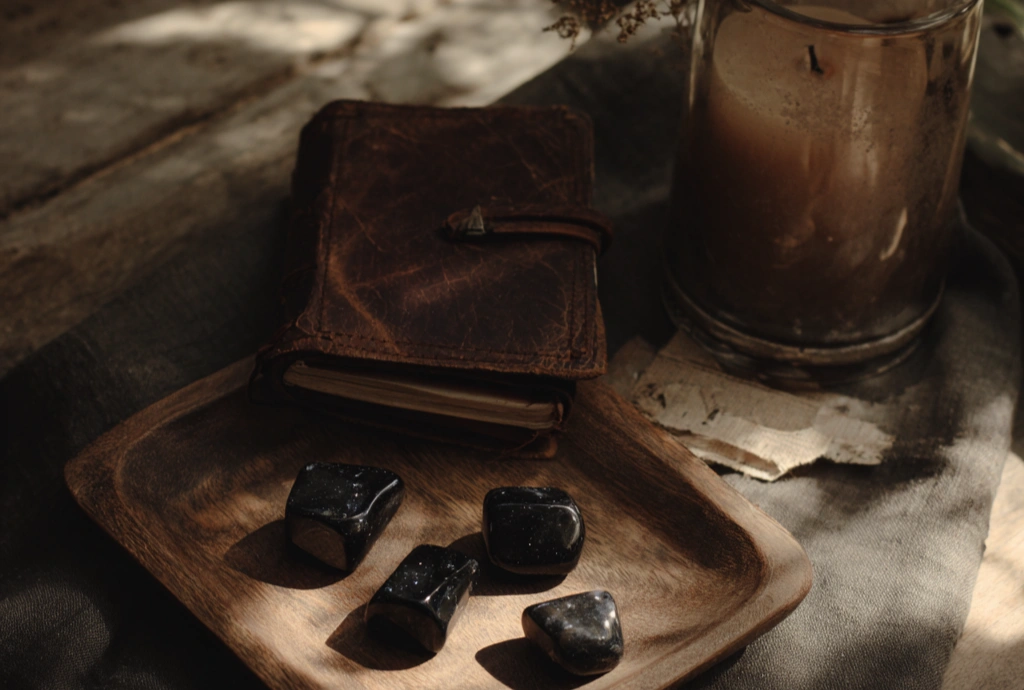
Angel Number 444: Protection, Stability and the Strength of Your Foundations
Angel number 444 signals protection, stability and the strength of your foundations. What it means and how to work with it in daily practice.
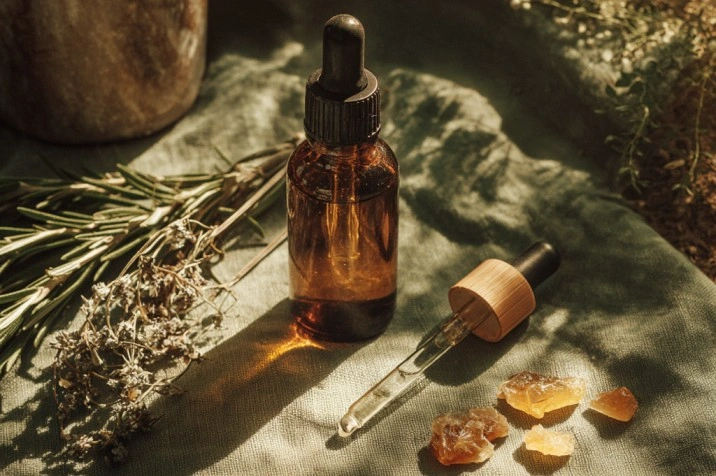
The Olfactory Ghost: A Formulation Guide
Most occult books treat scent like a lookup table: cinnamon for wealth, lavender for peace. Here is how to build a layered three-tier formula that actually holds, with evaporation rates, percentages, and honest herb safety.
Why Witches Take a Craft Name (And How a Name Becomes a Ward)
A name is not just a label; in folk magic it is a link. A grounded guide to name magic, craft names, and warding the name you were given.
Gemini Season 2026: A Witch's Guide to the Sun in Gemini
Gemini Season 2026 (May 20 to June 20). What the Sun in Gemini means as Uranus begins its 84-year transit through the sign, and how to work with Mercury retrograde during its own season.
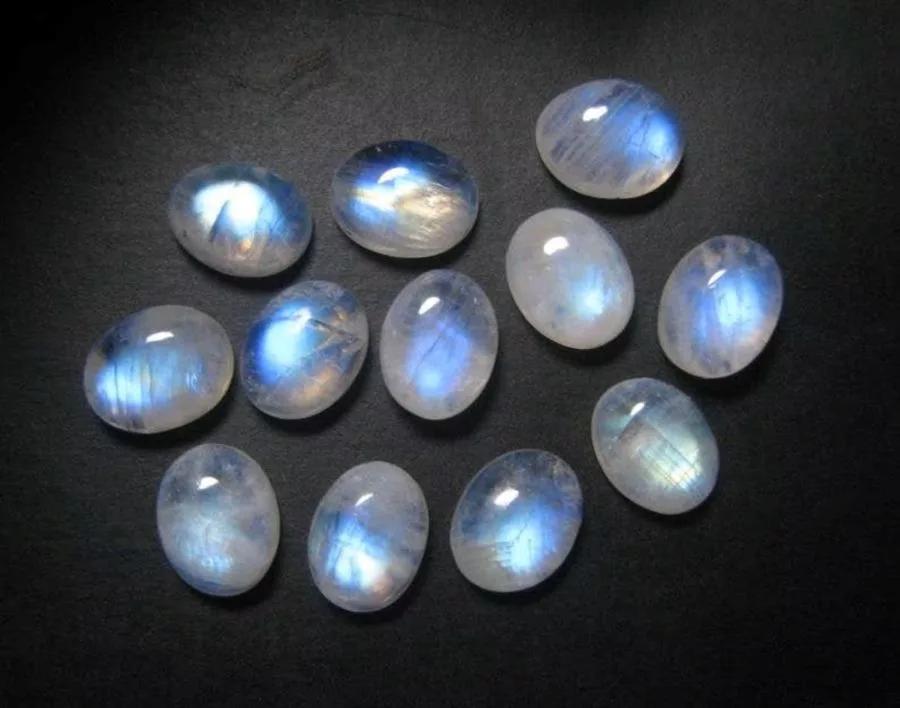
The Witch's Guide to Moonstone: Lunar Magic, Folklore and Practice
Moonstone is the witch's lunar stone, and has been for two thousand years. The folklore, the mineralogy, and how to work with it in a solitary practice.
Angel Number 333: Creative Expression, Spiritual Growth and the Ascended Masters
Seeing 333 everywhere? It signals creative expansion, spiritual growth and the closeness of the Ascended Masters. A guide to working with 333.
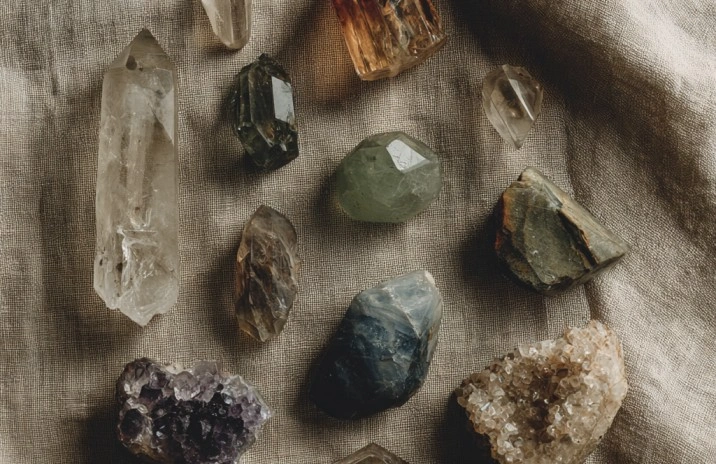
The Witch's Guide to Crystals and Stones
How to use stones well in a solitary practice. The two traditions, the working kit, the care, and the older folk lineage that most modern crystal guides leave out.
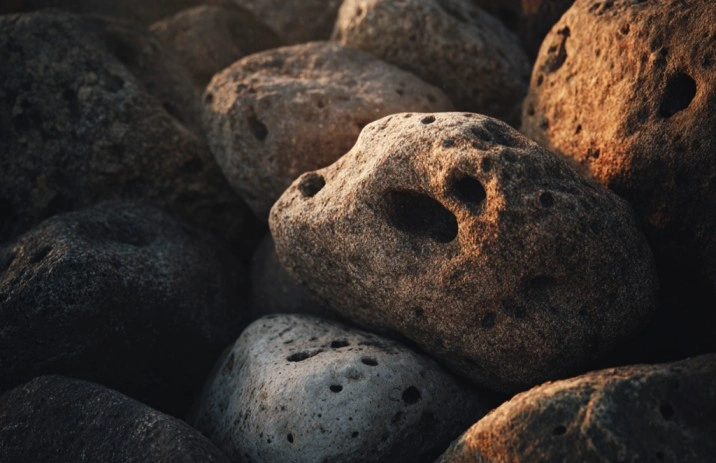
The Witch's Guide to Hag Stones
A working guide to the oldest piece of magical equipment a witch can own. The folklore, the names, the uses, and how to find one.
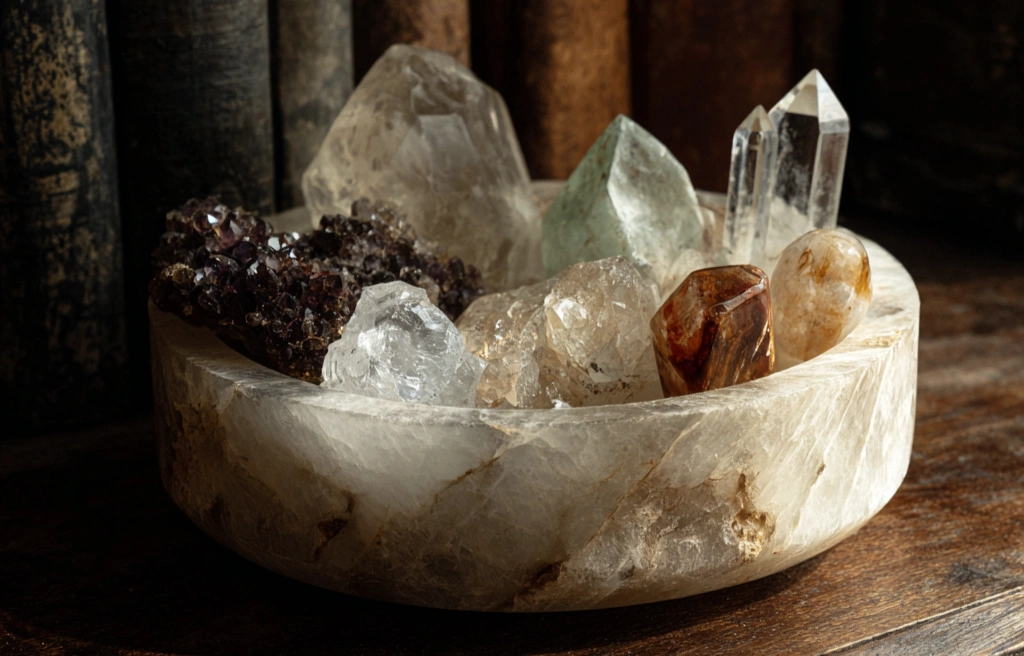
How to Cleanse and Charge Your Crystals
Cleansing and charging are two different things, often treated as one. A practical guide for the solitary witch: including the methods that quietly damage your stones.
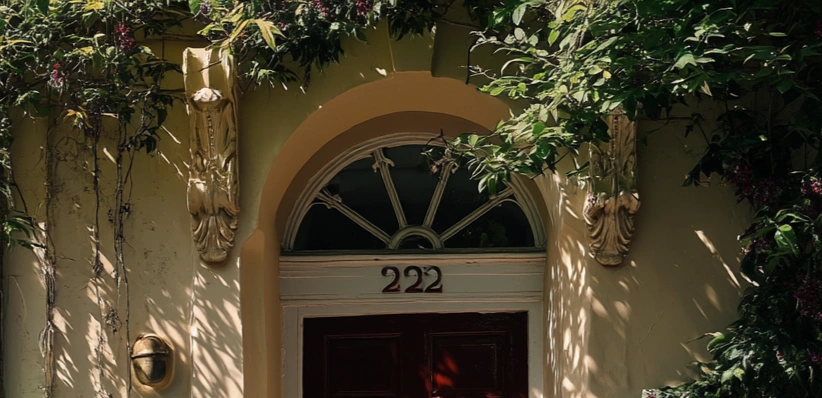
Angel Number 222: Balance, Patience and Divine Timing
Keep seeing 222? It's the number of balance, patience and divine timing. What 222 means spiritually, where it shows up, and how to work with it.
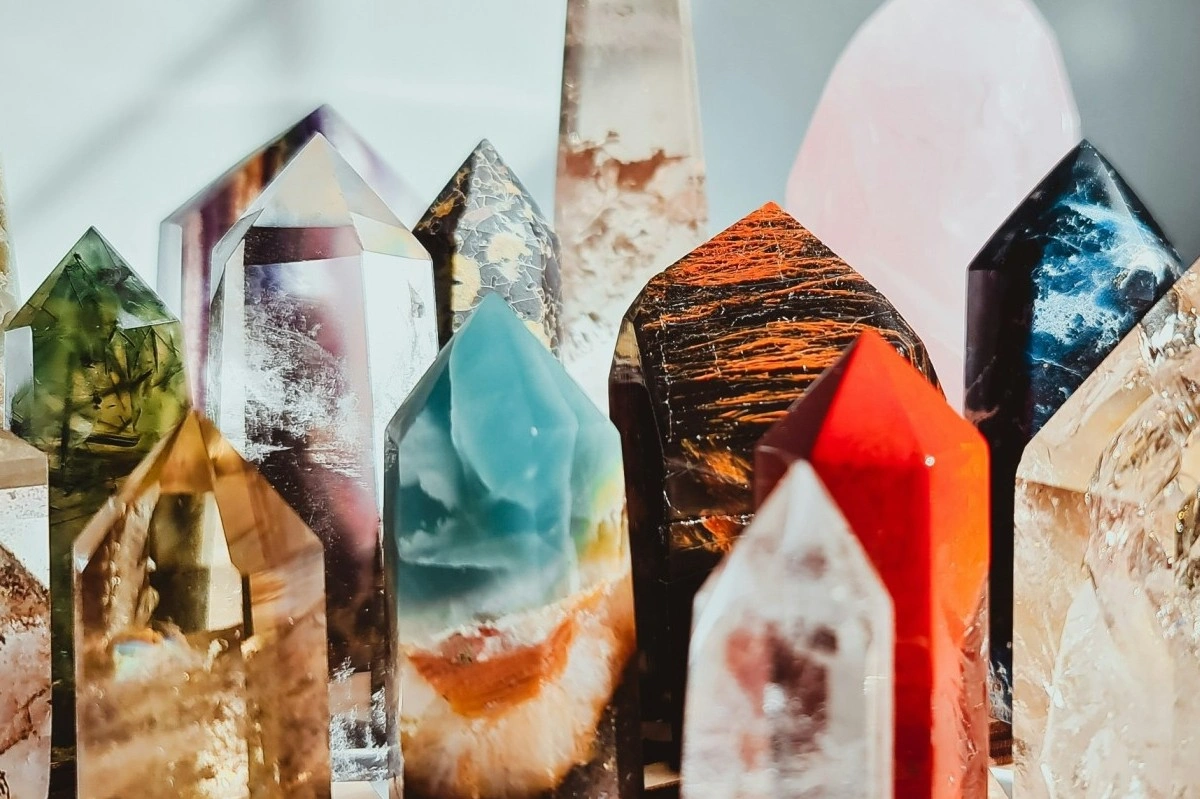
Five Crystals Every Witch Should Own
A working witch's starter kit. Five versatile crystals that earn their place on the altar: what each one does, how to use it, and how to source it ethically.
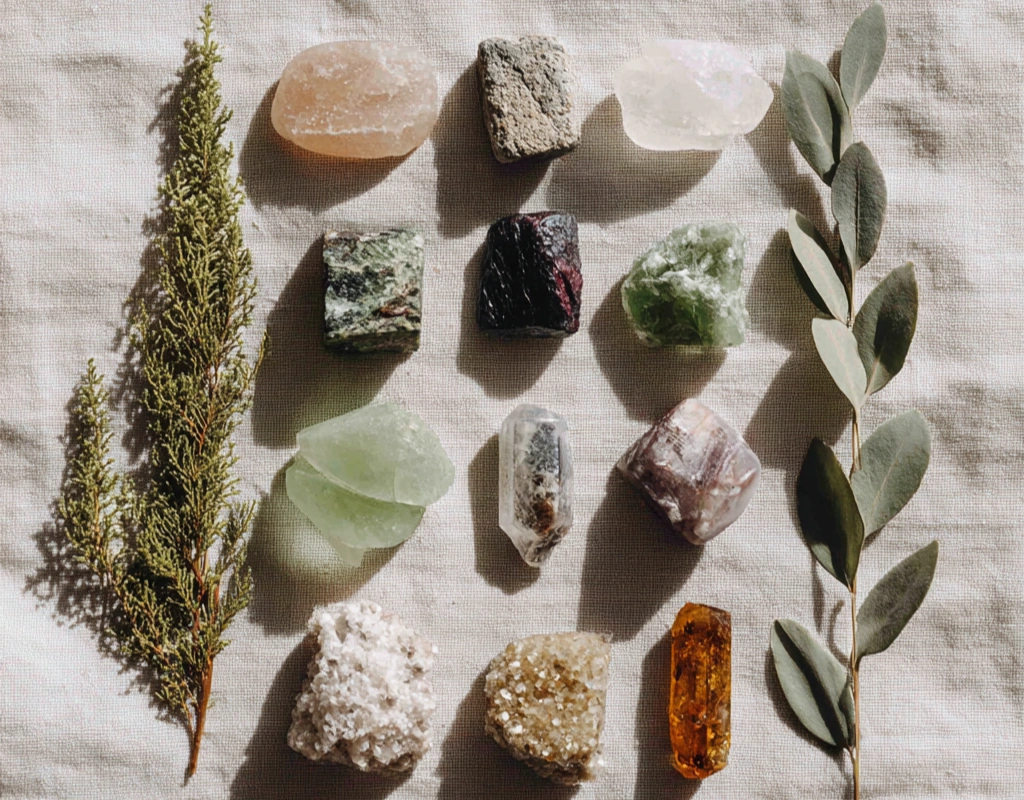
Astrology and Crystals: A Witch's Guide Beyond the Birthstone
How to work crystals astrologically: through the planets, the moon's phases, and your natal chart. A guide for the solitary witch.

Gogottes: The Fairy Stones of Fontainebleau Forest
The witchcraft, folklore and fairy lore behind gogottes; the otherworldly sandstone sculptures of France's most enchanted forest.
Angel Number 111: Meaning, Manifestation and New Beginnings
Seeing 111 everywhere? It is one of the most powerful manifestation numbers. Here is what it means spiritually and how to work with its energy in your practice.
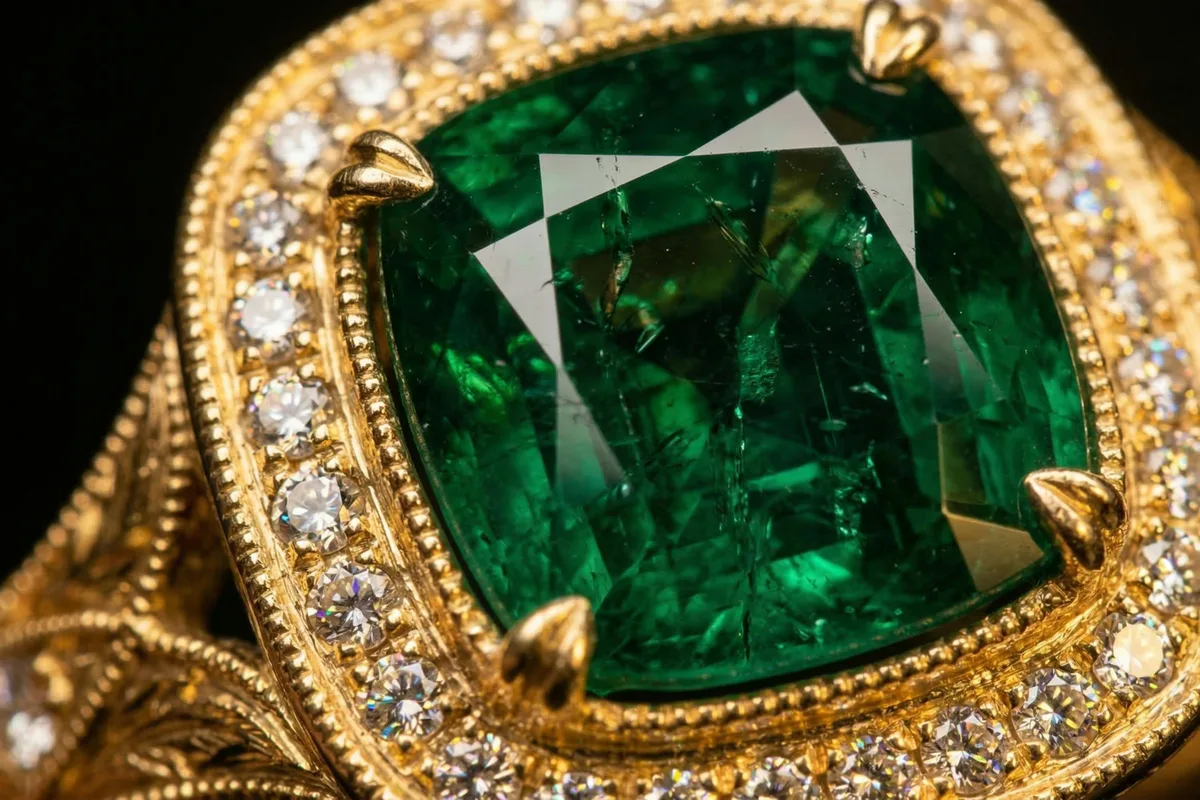
Emeralds: Stones of Rebirth, Protection, and Divine Vision
The May birthstone has been mined for five thousand years, carried by pharaohs and alchemists, and set above all other green stones across nearly every culture that encountered it. Here is why, and how to work with it.
Litha Deities: Gods and Goddesses of the Summer Solstice
Litha, the summer solstice, is one of the most deity-rich points in the Wheel of the Year. Here are the gods and goddesses most closely associated with midsummer across Celtic, Norse, Greek and other pagan traditions.
Taurus Season 2026: A Witch's Guide to the Sun in Taurus
Taurus Season 2026 (April 19 to May 20). What the Sun in Taurus means for each sign, and how to work with its grounded, sensual energy.

Angel Numbers: What They Mean and How to Work With Your Guides
Keep seeing 111, 333, or 1111? Learn what angel numbers mean spiritually and how to start working with them in your practice.
How to Build a Daily Spiritual Practice Without Burning Out
The practices that last are the ones that fit inside a real life. How to build a daily spiritual practice without burnout.

Beltane for Solitary Witches: Celebrating the Fire Festival Alone
Beltane is one of the great fire festivals. Here is how to celebrate it as a solitary witch, simply and meaningfully.
Herbs of Beltane: Working with the Plants of the Fire Festival
Beltane's herbs are the plants of late spring: flowering, fragrant, and full of the season's expansive energy. Here's how to work with them in your practice.
Beltane Energy and Intentions: What to Manifest at the Fire Festival
Beltane is the sabbat of commitment and full bloom. Here's how to work with its energy intentionally, and what it's most potent for.

How to Start a Grimoire (And Why You Should)
A grimoire is not a finished object. It is a living record of your practice. It starts with a single entry.
How to Start a Grimoire: Digital vs Paper, What Works Best?
Digital or paper. The question is which one you will actually use. A practical guide for solitary witches.
Beltane Deities: Gods and Goddesses of the Fire Festival
Beltane's divine figures are those of fire, fertility, the wildwood, and the full flowering of life. Here's who to call on at the height of spring.
What Is a Patron Deity and How Do You Find Yours?
A patron deity isn't assigned at birth or chosen from a list. It's a relationship that develops over time; and often begins before you notice it.
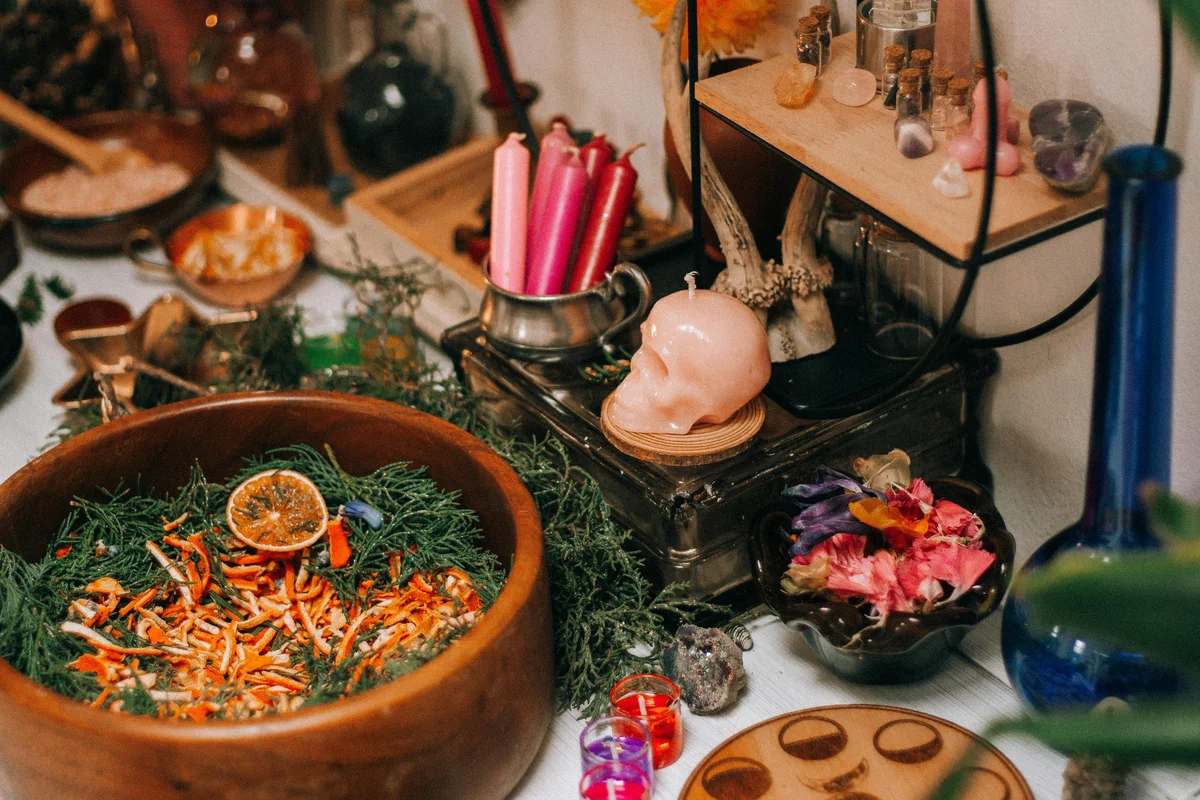
How to Begin Working With a Deity: A Guide for Solitary Witches
Deity work doesn't begin with an elaborate ritual. It begins with attention. A beginner's guide for solitary witches.
Grimoire vs Labyrinthos vs Co-Star: Which App Is Actually Built for Witches?
Three apps, three different ideas of what a spiritual practice needs. An honest comparison of Grimoire, Labyrinthos, and Co-Star for solitary witches.
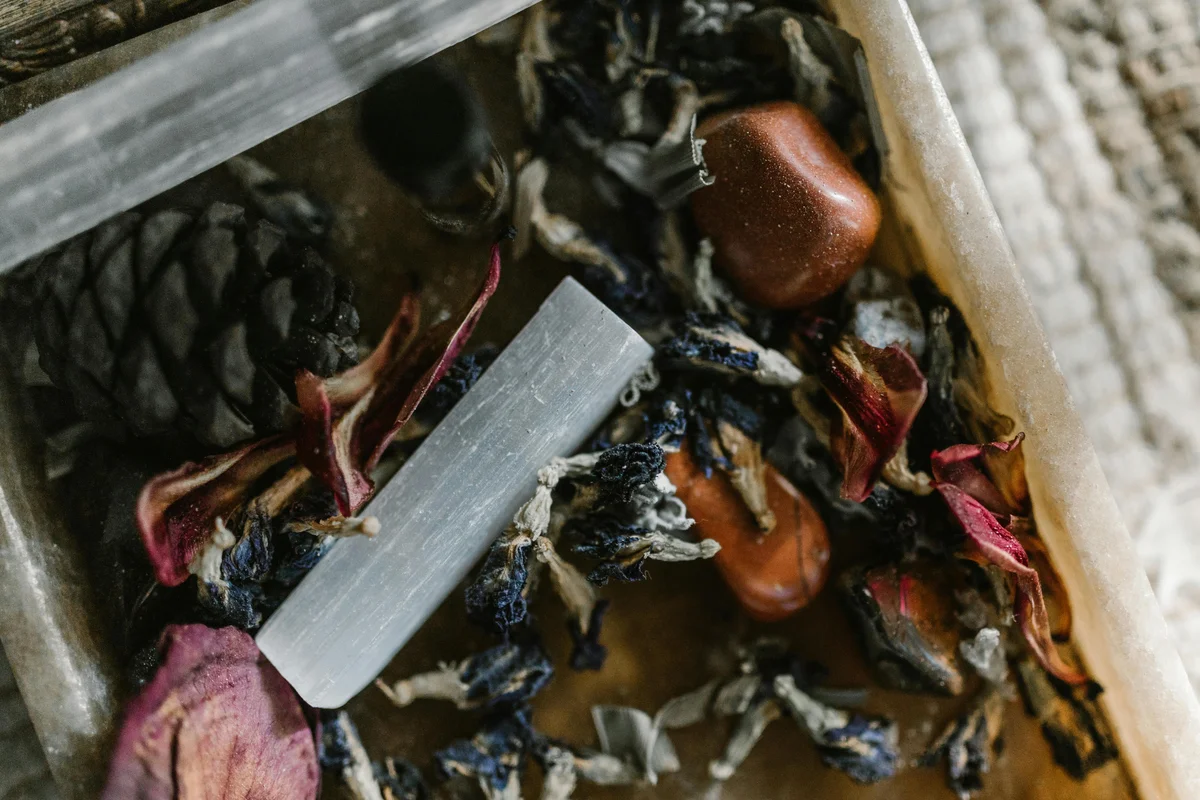
Charm Casting: A Guide to Building Your Own Divination Set
Charm casting is divination without a rulebook: a practice built from objects you choose and meanings you write yourself. A guide to building your set.
A Beginner's Guide to Incense Magic for the Solitary Witch
Incense is one of the oldest forms of magical practice. A guide to resins, herbs, and smoke magic for witches.
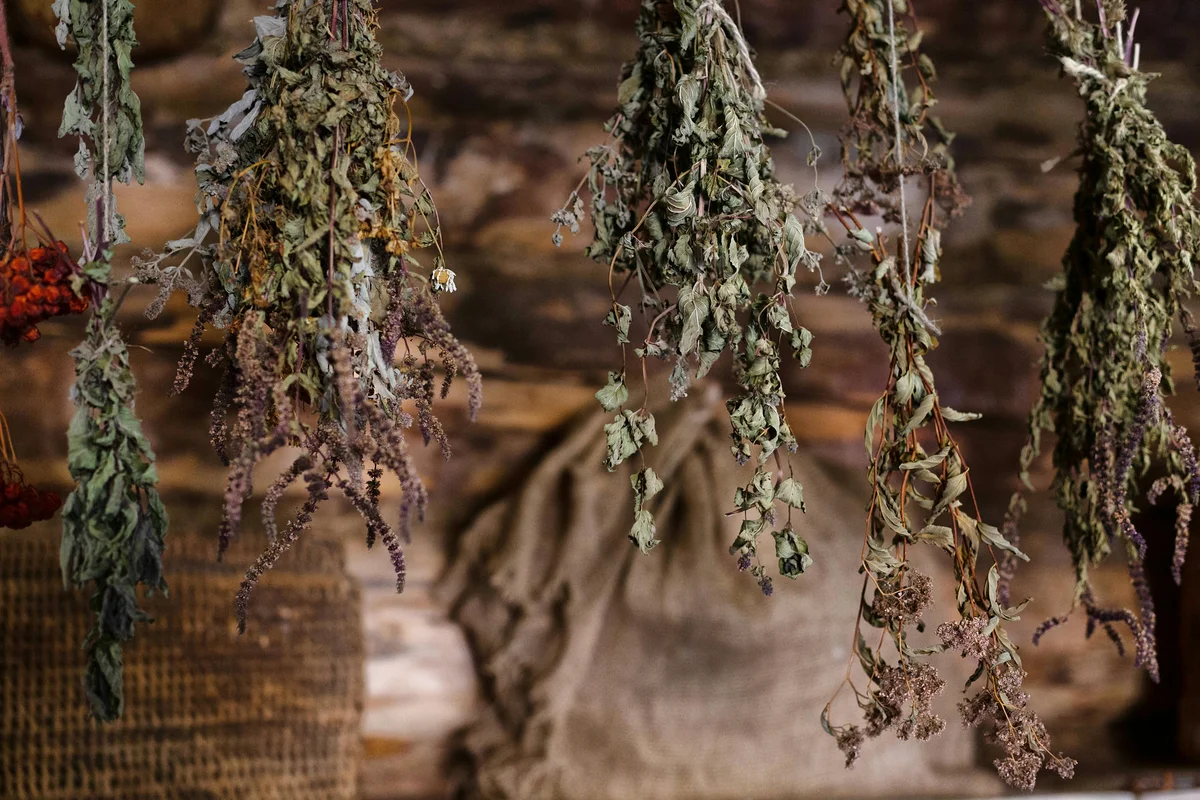
Five Herbs Every Witch Should Have in Their Apothecary
You don't need a fully stocked herb cabinet to practise effectively. You need a handful of versatile, accessible plants and an understanding of why they work.
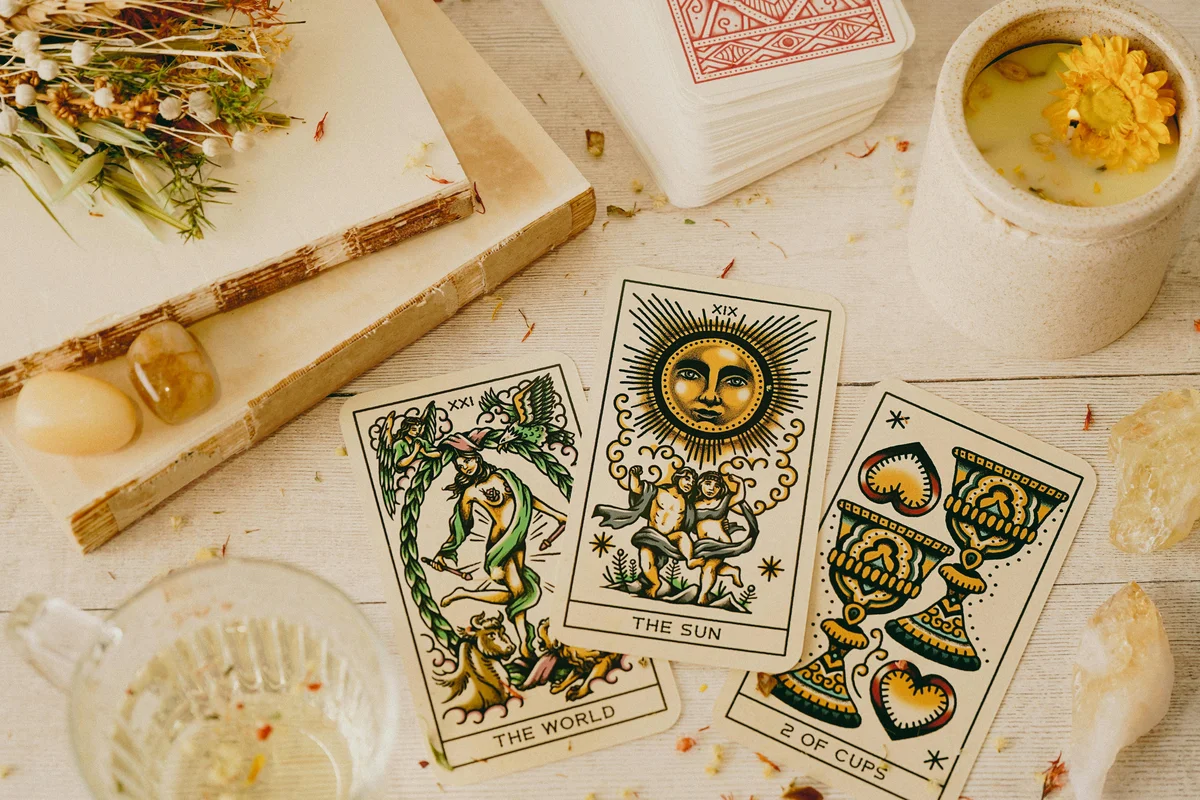
How to Start a Daily Tarot Practice (And Actually Stick to It)
A daily tarot practice doesn't require an hour of quiet and a perfectly set altar. It requires a card, a moment, and a way to remember what you noticed.

What Is Shadow Work (And Why Does It Matter in Practice)?
Shadow work isn't about darkness for its own sake; it's about wholeness. A gentle, grounded guide for solitary witches: what it is, and safe ways to begin.
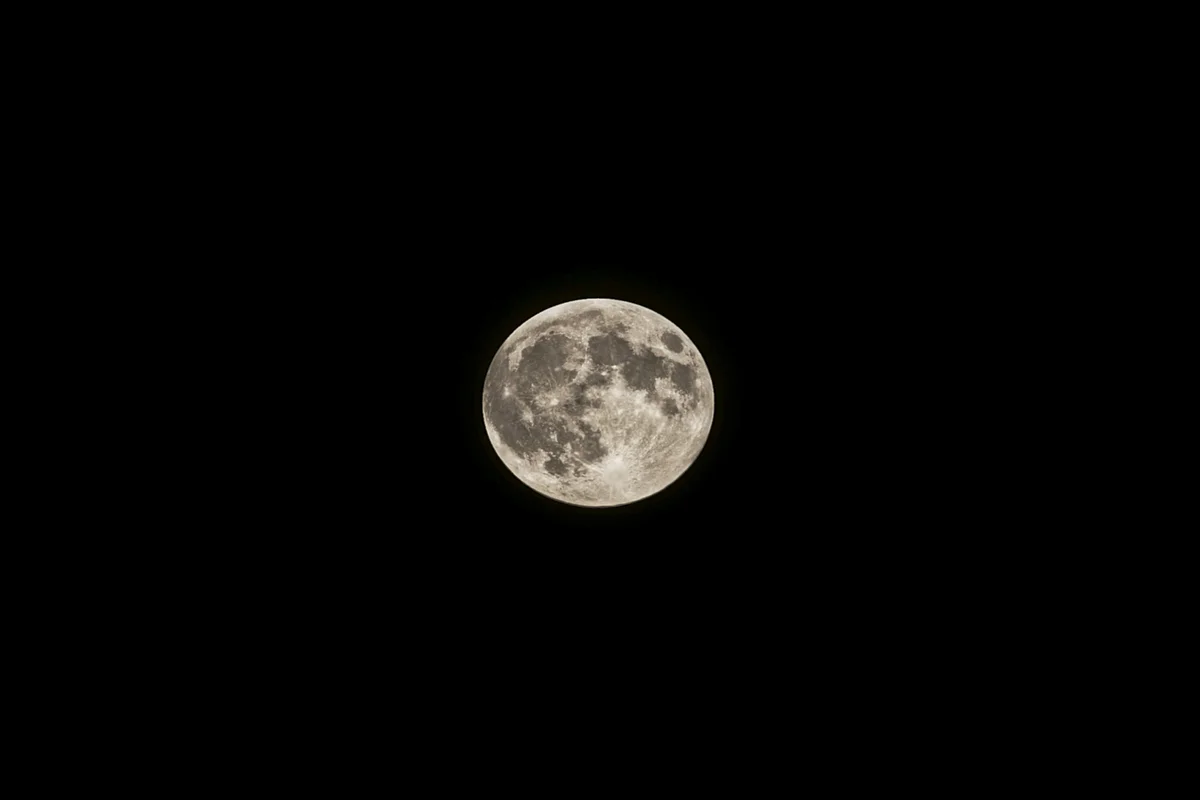
Working With the Moon: A Practical Guide
The moon does not care whether you are ready. But if you learn her rhythm, she will meet you exactly where you are.
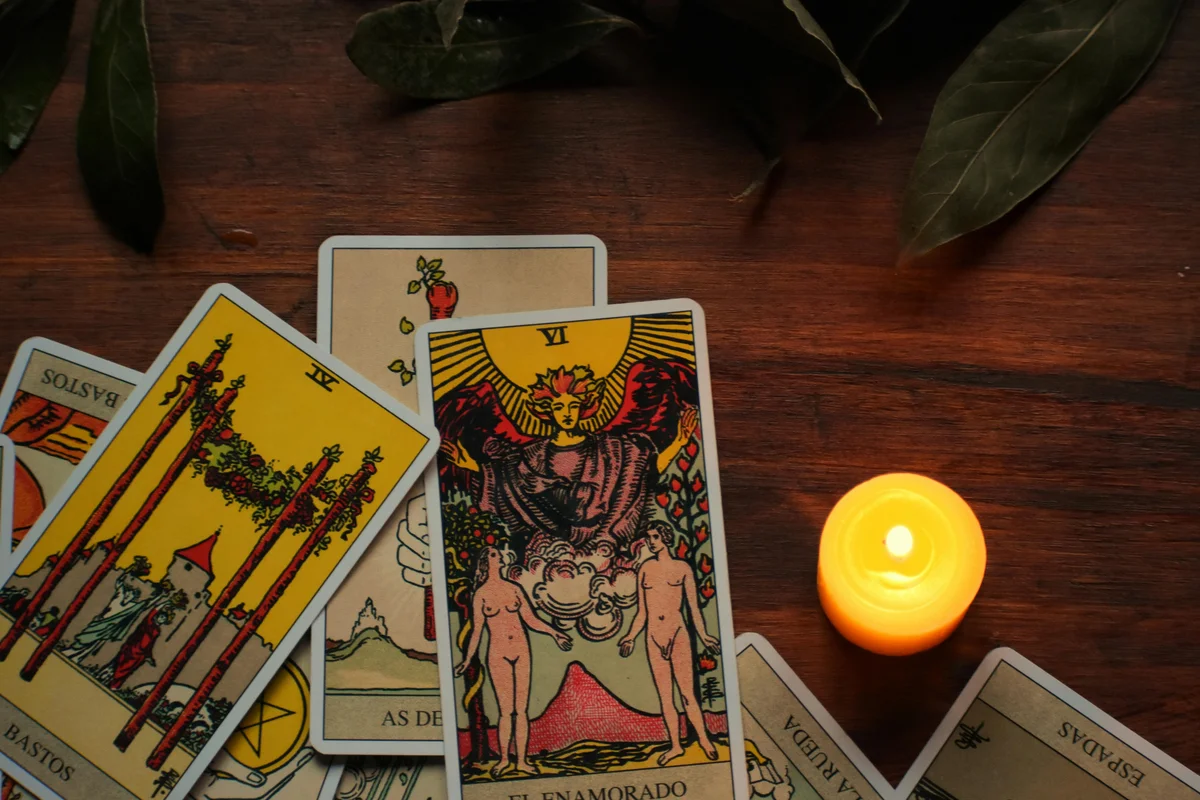
A Beginner's Guide to Tarot for Solitary Witches
Tarot is not fortune telling. It is a mirror, a way of asking better questions.
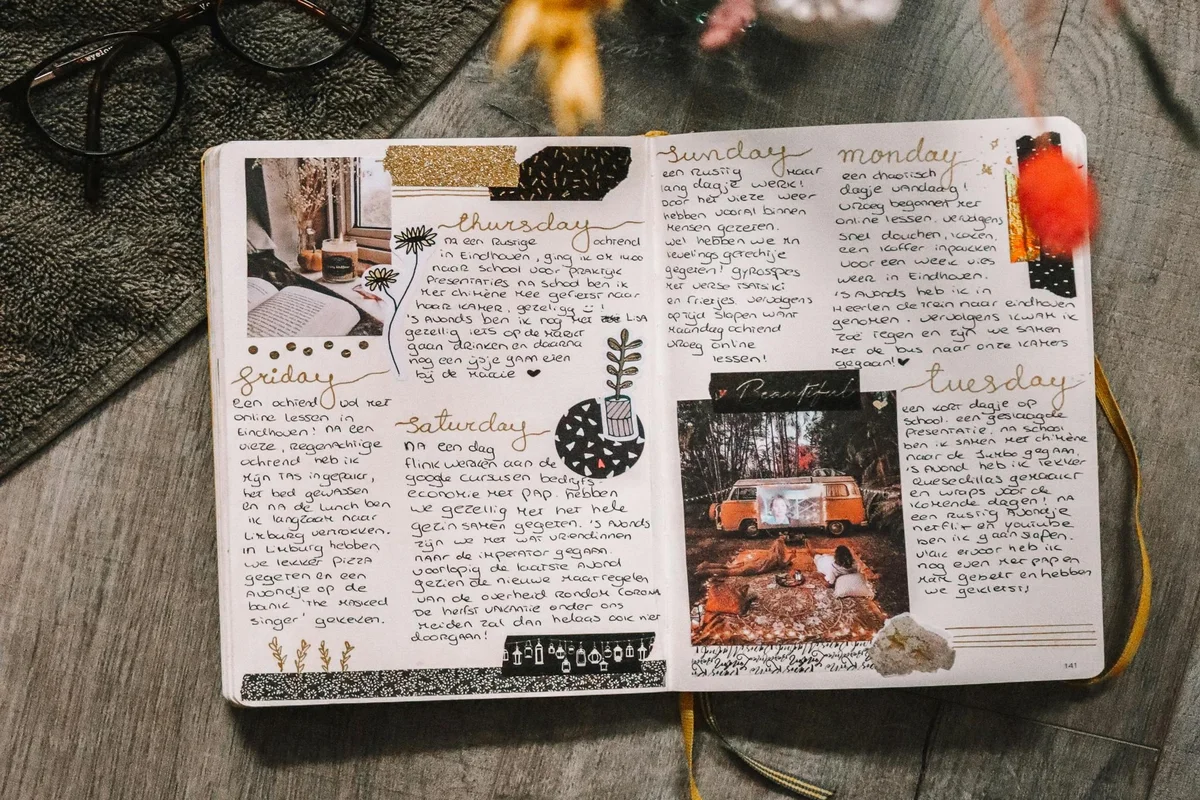
Building a Daily Practice as a Solitary Witch
You do not need an hour a day, a dedicated altar room, or a coven. You need five minutes and a clear intention.
Begin your practice
Grimoire is available now on Android and as a web app. Start today.