Apothecary
Betony (Wood): Magical Properties & Uses
Betonica officinalis
Also known as Bishop's Wort, Woundwort
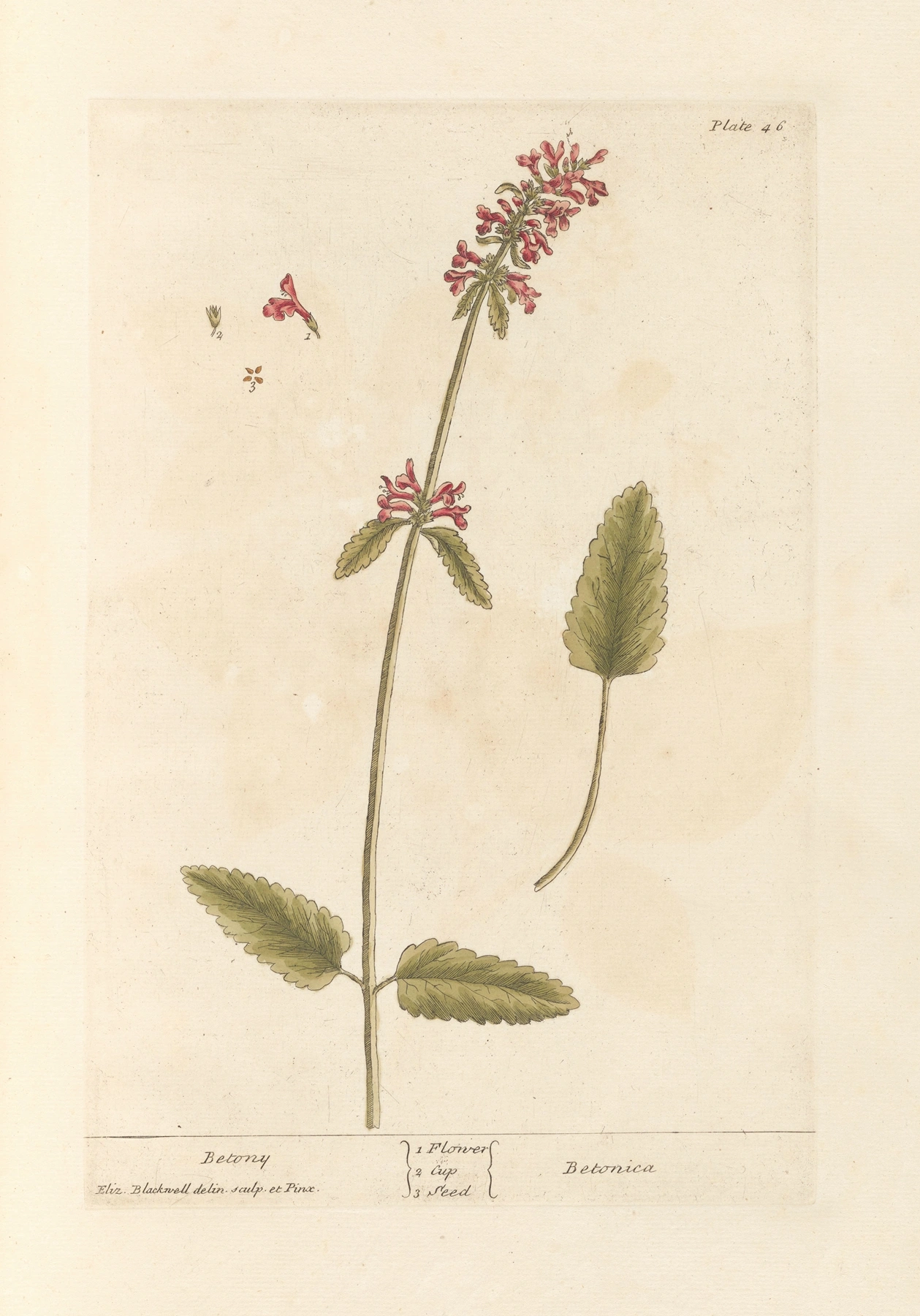
An unassuming purple-flowered cousin of the mints, betony was once the most feared and respected protective herb in medieval Europe. Planted by the door it bars all evil; carried on the person it shields the wanderer; placed beneath the pillow it grants dreams that warn of harm before it comes.
Correspondences
Element
Fire
Planet
Jupiter
Zodiac
Aries
Chakra
Root
Parts Used
Aerial parts
Harvest
Summer
Practice
Magical Properties
Protection, purification, love, dreams
Betony is primarily a protective herb: it guards against evil spirits, nightmares, and the mischief of hostile magic. Its specific protection is against psychic attack and the kind of nervous, scattered vulnerability that invites interference. It is used in pillows for nightmare prevention, carried as a protective talisman, and added to protective sachets. In Italian folk magic it was worn around the neck for protection against all manner of harm. For practitioners who find their psychic boundaries easily disturbed by other people's energy, betony is the herb of the stable, fortified self: it holds the practitioner's centre when external pressures push against it.
Mundane
Mundane Uses
Wood betony (Betonica officinalis, formerly Stachys betonica) has a long history in European herbal medicine. Culpeper recommended it extensively for headaches, nervous complaints, and as a digestive bitter tonic. It is used in modern European herbal medicine for tension headaches, poor digestion, and nervous exhaustion. It has demonstrated mild anti-inflammatory and antioxidant properties in laboratory studies. It is generally considered safe and is used as a tonic herb for long-term support of the nerves.
Devotion
Deity Associations
None specific
History
Folklore & History
An unassuming purple-flowered cousin of the mints, betony was once the most feared and respected protective herb in medieval Europe. The phrase "sell your coat and buy betony" was a genuine medical proverb. It was planted in churchyards throughout medieval England to prevent ghosts from walking. Antonius Musa, physician to the Emperor Augustus, wrote an entire treatise on betony listing 47 conditions for which it was beneficial. In Italian Renaissance magic it was a central protective herb; in British cunning-folk tradition it was carried for protection against witchcraft and evil spirits. Culpeper gave it extensive coverage, associating it with Jupiter and recommending it for headaches, nervous complaints, and the liver.
Safety
Safety Notes
No significant safety concerns. Avoid in pregnancy.
This information is provided for educational and magical reference only. Always consult a qualified practitioner before using herbs medicinally.
FAQ
Frequently Asked Questions
What is Betony (Wood) used for in witchcraft?
An unassuming purple-flowered cousin of the mints, betony was once the most feared and respected protective herb in medieval Europe. Planted by the door it bars all evil; carried on the person it shields the wanderer; placed beneath the pillow it grants dreams that warn of harm before it comes. Its primary magical uses are protection, purification, love, and dreams.
What element is Betony (Wood) associated with?
Betony (Wood) is associated with the Fire element, the sign of Aries, and resonates with the Root chakra.
What planet rules Betony (Wood)?
Betony (Wood) is ruled by Jupiter. In the classical planetary system, this gives the herb its characteristic energetic signature and indicates which workings it most readily amplifies and which planetary hours best suit it.
Is Betony (Wood) safe to use?
Some care is required when working with Betony (Wood). No significant safety concerns. Avoid in pregnancy. The information here is provided for educational and magical reference only: always consult a qualified practitioner before using any herb medicinally.
In Your Practice
Track your work with Betony (Wood).
Record spells, rituals, and observations in your private digital grimoire.
Related
Related Herbs
Valerian
Venus/Saturn
The deep-sleep herb par excellence: root of vivid dreams, of love long-considered, of the long quiet rest that the worri…
Rosemary
Sun
Rosemary for remembrance, for fidelity, for the bright clarity of the working mind. She may be substituted for any herb …
Birch
Venus
The Lady of the Woods: first letter of the Ogham, slender and silver-barked as moonlight itself. Birch is the magic of b…
Cinquefoil
Jupiter
Five-fingered as a hand cast in plant form, cinquefoil is the herb of the five-fold blessing: love, money, health, power…
Begin your practice
Grimoire is available now on Android and as a web app. Start today.