Practice
Working With the Moon: A Practical Guide
Rowenna
Solitary witch and the founder of Grimoire. Built the app she couldn't find anywhere else. Writes about the craft with primary sources, honest lineage notes, and a low tolerance for vague correspondences. Based in the UK with more herbs than shelf space.
· 5 min read
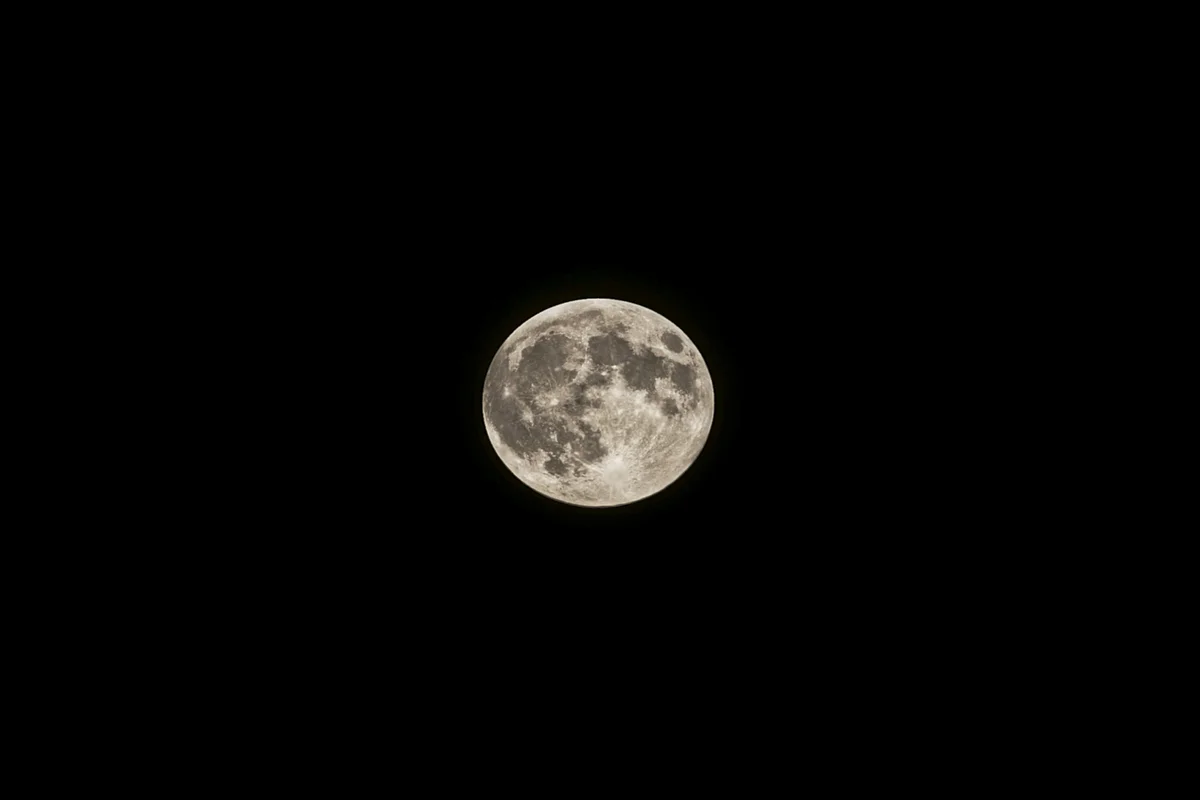
The moon is the most fundamental clock in magical practice. Before printed almanacs, before clocks, before calendars, practitioners tracked the moon, because it tracks itself. You can see it. You can feel it. It is reliable in a way that few things are. The word "month" is the same word as "moon": both derive from the Proto-Indo-European root mē-, meaning to measure, because the moon's phases were the original measure of time across virtually every human culture. The Sumerians formalised this into a lunar calendar as early as the 3rd millennium BCE; the Babylonian refinement of it, documented by Britannica, became the foundation for calendars still in use today.
Learning to work with the lunar cycle is not mysticism. It is orientation: knowing where you are in the rhythm before you begin.
The Eight Phases
Many ancient traditions worked with four phases: new moon, first quarter, full moon, and last quarter. The eight-phase system used in modern Western magical practice is a refinement of those four, offering a more granular map of the cycle's energy. Both approaches are valid; the eight-phase model simply gives more precise language for what each week of the month tends to feel like.
New Moon: The moon is dark: invisible, in the sky but not lit. This is the phase of new beginnings, planting seeds, setting intentions. The energy is inward and quiet. Begin new workings here. Journal about what you want to call in. Make space internally for something new to grow.
Waxing Crescent: The first sliver of light appears. Begin taking small steps toward what you set at the new moon. This is the phase of early momentum: fragile but real.
First Quarter: Half the moon is lit. You will likely encounter the first obstacles to what you began. This is normal: the first quarter is a phase of decision and action. Push through.
Waxing Gibbous: Almost full. Refine and adjust. The energy is building. Stay focused on what you are calling in. This is the phase for fine-tuning, not for second-guessing.
Full Moon: The moon is fully lit. This is the phase of culmination, completion, and high energy. Workings done at the full moon carry intensity: emotions run high, dreams deepen, and what has been building all cycle tends to surface. A powerful time for charging tools, divination, and any working that benefits from full force.
Waning Gibbous: The light begins to diminish. A time for gratitude and acknowledgment of what the cycle has brought. Begin releasing what no longer serves.
Last Quarter: Half the moon is lit, on the opposite side from the first quarter. Releasing, clearing, banishing. What needs to go? This is the phase to act on it.
Dark Moon: The three days before the new moon, when the moon is entirely absent from the sky. Rest. Reflect. Do not begin new workings. This is the compost phase: where what has been broken down becomes the material for what grows next.
Aligning Your Workings
The simple rule: draw in on the wax, release on the wane.
Workings to attract, build, or invite (love, abundance, clarity, health, opportunity) are most potent when begun during the waxing phase, ideally at the new moon, and peaked at the full moon.
Workings to banish, release, cleanse, or end (cutting cords, clearing negative energy, ending patterns, letting go) are most potent during the waning phase, from full moon to dark moon.
You are not at the mercy of the moon. But if you work with her rhythm, she will meet your intention halfway.
Simple Practices for Each Phase
- New moon: Write your intentions by hand. Light a candle. Name what you are calling in.
- Full moon: Place your tools in moonlight. Do a full tarot reading. Charge water for ritual use.
- Waning moon: Clear your altar. Discard what has expired from your apothecary. Journal about what you are releasing.
- Dark moon: Rest. No new workings. Dream, if you can.
You do not need to observe every phase with a formal ritual. But knowing where you are in the cycle (and letting that awareness inform the quality of your attention) is already a form of practice. Already a form of working with the moon.
Sources
- Etymonline, moon and month: Proto-Indo-European root mē- "to measure", etymonline.com/word/moon
- Britannica, Babylonian calendar: lunar calendar based on 12 synodic months, descended from Sumerian practice of the 3rd millennium BCE, britannica.com/science/Babylonian-calendar
More from the Blog

Building a Daily Practice as a Solitary Witch
You do not need an hour a day, a dedicated altar room, or a coven. You need five minutes and a clear intention.

What Is Shadow Work (And Why Does It Matter in Practice)?
Shadow work isn't about darkness for its own sake; it's about wholeness. A gentle, grounded guide for solitary witches: what it is, and safe ways to begin.
Begin your practice
Grimoire is available now on Android and as a web app. Start today.