The Sacred Sites Library
Sacred Sites.
Sacred sites, pilgrimage places, and spiritual landscapes for pagan practitioners. The stones, waters, and wild places that hold centuries of magical tradition.
Long before any tradition was named, certain places were already considered sacred. Stone circles, fairy pools, ancient forests, naturally formed stones; landscapes and objects that carried numinous weight in the folklore of the people who lived among them. The pieces in this section profile those places and the things they produce, from standing stones and hag stones to sacred springs and holy mountains. They approach the subject with the seriousness it deserves: not as tourist destinations, but as parts of a working spiritual geography that a solitary witch can step into without travelling. Some you can visit. Some you can only read about. All of them shape how a witch thinks about the relationship between place, object, and practice.
A sacred site is a place where the line between landscape and practice has worn thin. Stone circles, holy wells, ancient forests, fairy mounds, peaks named after gods. These are the places where, for as long as humans have kept memory, something other than ordinary geology has been understood to be present. They are the original altars, the original temples, the original libraries of folk tradition.
Western Europe is densely populated with these places, and the British Isles particularly so: Stonehenge, Avebury, Newgrange, the Callanish stones, the chalk hill figures, the holy wells of Cornwall and Wales, the standing stones of Brittany, the Forest of Fontainebleau in France. Many predate any named religion. Most have been continuously visited, in one form or another, for thousands of years. The witchcraft revival inherited this geography rather than creating it.
The pieces in this section are written for practitioners who want to think about place as part of practice. Some posts profile specific sites and the lore attached to them. Others profile the objects those sites produce: the hag stones, fairy stones, and naturally formed concretions that have been picked up from sacred ground and carried home for centuries. Where relevant, the posts also cover practical matters: how to approach a site with respect, how to source associated objects ethically, and how to bring something of the place into a solitary practice without ever needing to travel.
The premise running through the section is simple. The land remembers what we have largely forgotten. Sacred sites are how it shows us.
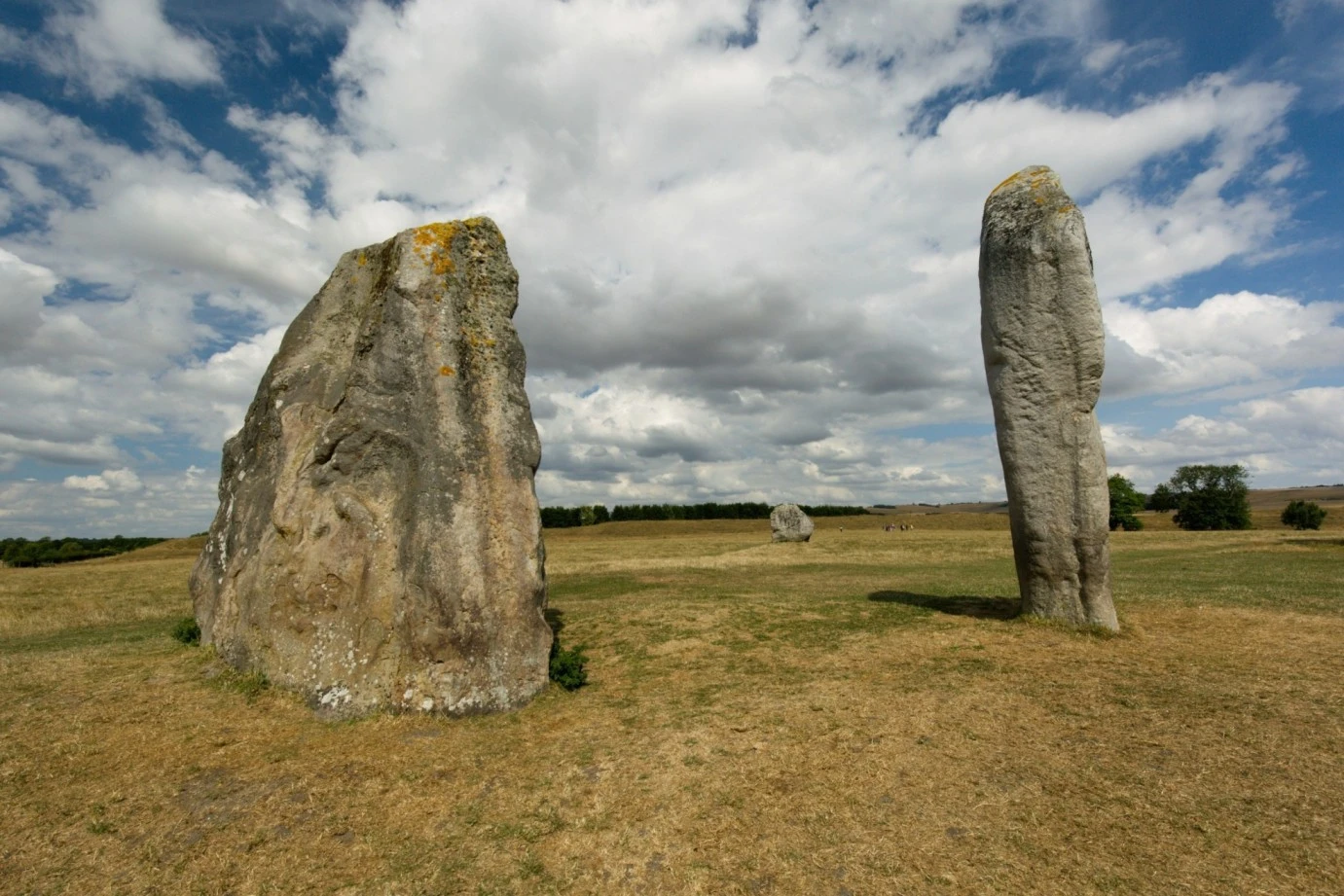
Avebury
Larger than Stonehenge, older in parts, and almost entirely unknown outside Wiltshire; Avebury is Britain's most substantial Neolithic sacred landscape. A layered account of the henge, the wider monument complex, the medieval village inside the ancient circle, and how to work with the site.
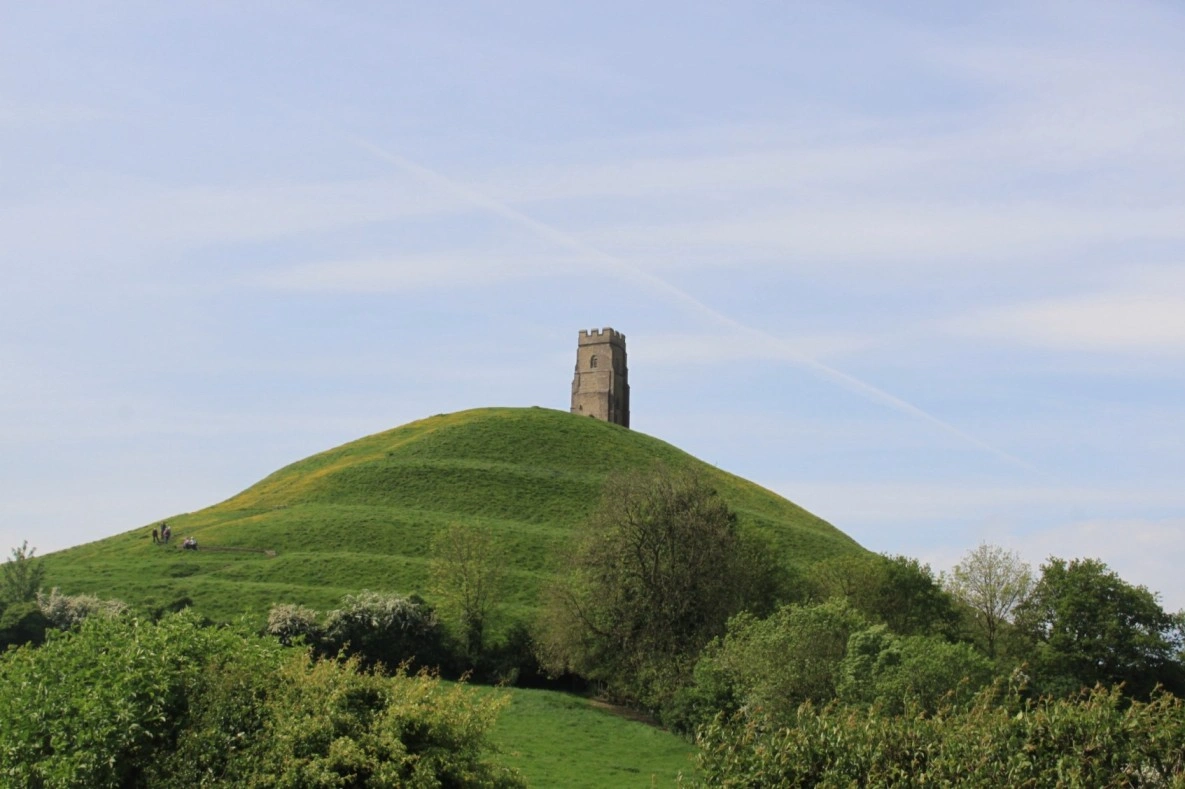
Glastonbury Tor
A hill in Somerset that has been a Neolithic settlement, the legendary Isle of Avalon, a Christian monastic stronghold, and one of the most significant sites in modern paganism. A layered history of Glastonbury Tor, and how to work with it from a distance.
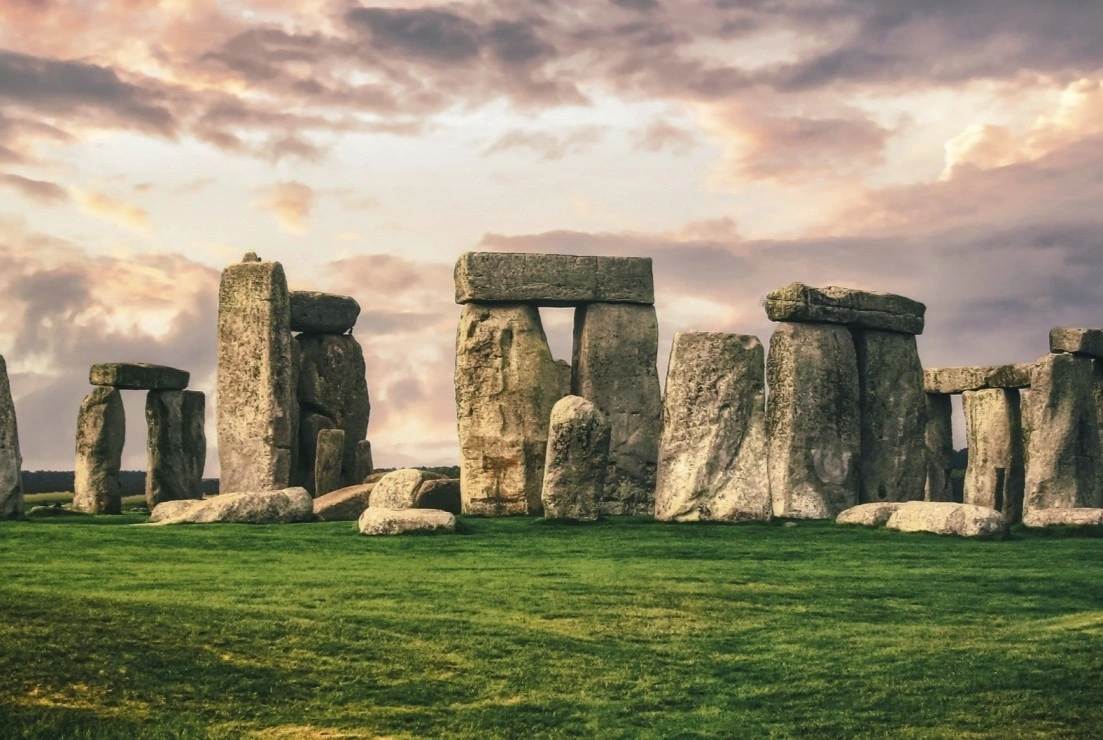
Stonehenge: Stones of the Solstice
What the archaeological record actually tells us about Stonehenge, and what it does not. The solstice alignment, the builders who were not Druids, the 18th-century invention of the Druid-Stonehenge myth, and how to work with the site from a distance.

Gogottes: The Fairy Stones of Fontainebleau Forest
The witchcraft, folklore and fairy lore behind gogottes; the otherworldly sandstone sculptures of France's most enchanted forest.
Other libraries
Begin your practice
Grimoire is available now on Android and as a web app. Start today.