The Herbology Library
Herbology.
Herbology for witches and pagan practitioners. Magical herb correspondences, apothecary preparation, and plant-based workings for everyday solitary practice.
The plants a witch keeps are the plants she actually uses. The herbology pieces focus on the small, accessible apothecary: five or six versatile herbs that earn their shelf space, rather than the romantic but unworkable idea of stocking everything at once. You will find seasonal plant guides, correspondences, and practical advice on sourcing, drying, and storing herbs. The aim is to help you build an apothecary that fits your kitchen, your climate, and your craft.
Herbology (the study and practice of working with plants for magical, spiritual, and healing purposes) is one of the oldest threads running through witchcraft and folk magic traditions. Long before the formal separation of medicine and magic, the wise woman, the cunning man, and the village healer were one and the same: people who knew their plants.
In contemporary practice, herbology draws from a rich blend of sources: European folk tradition, Ayurvedic and Chinese medicine, indigenous plant knowledge, and the accumulated observation of practitioners across centuries. Each herb carries a set of correspondences (planetary rulership, elemental association, magical intention, and physical properties) that guide how it is used in ritual and remedy.
Working with herbs can be as simple as burning dried rosemary to cleanse a space, brewing a ritual tea before meditation, or adding bay laurel to a spell jar for protection. More advanced practice includes creating infused oils and tinctures, building an apothecary of dried herbs organised by magical property, and working with the seasonal timing of plant harvesting and preparation.
The posts in this category cover individual herb profiles, magical correspondence guides, how to build a beginner apothecary, seasonal herbalism, and how to incorporate plant work into spellcraft and daily ritual.
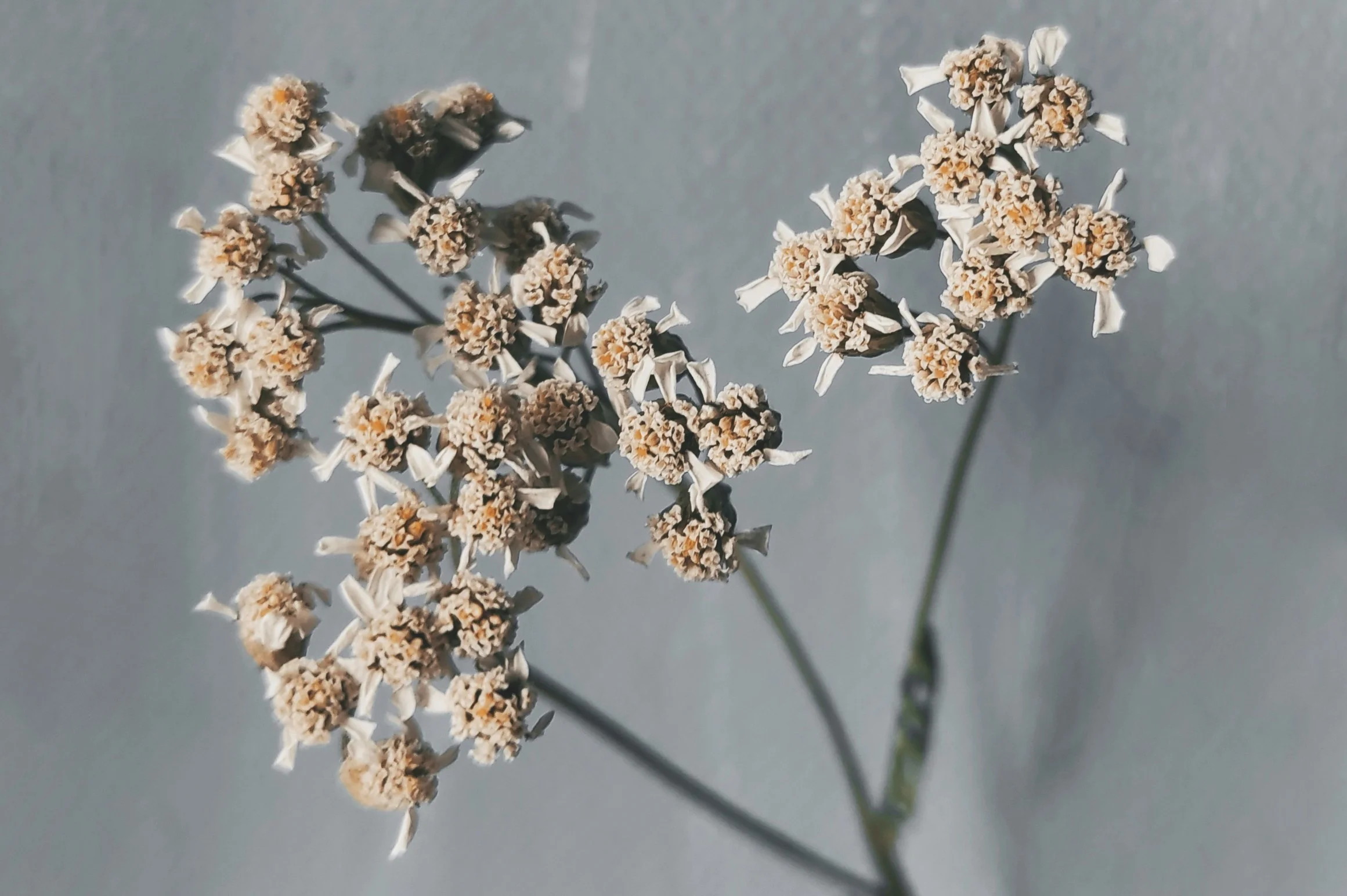
The Witch's Guide to Yarrow
Yarrow has been named in almost every Grimoire herb piece — the wound-herb of Achilles, the I Ching's divinatory stalk, the English love-dream herb. A complete profile: botany, folklore across three distinct traditions, magical correspondences, practical use, and three simple workings.
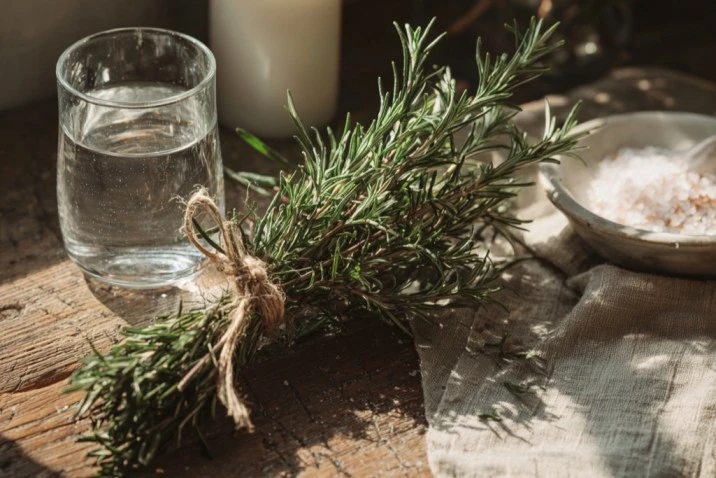
The Witch's Guide to Rosemary
Rosemary is the most quietly ubiquitous herb in the Western witchcraft tradition — present at weddings and funerals alike, in bridal garlands and mourning wreaths, on every Mediterranean doorstep and in every kitchen. A full profile: botany, folklore, magical correspondences, and why it is not a substitute for white sage but a tradition in its own right.
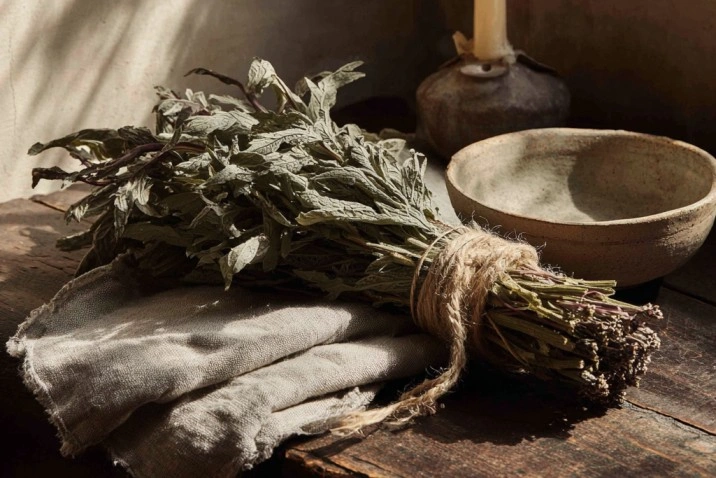
The Witch's Guide to Mugwort
Mugwort is the witch's dreaming herb: the first plant of the Nine Herbs Charm and the most-named herb in this blog. A full profile: botany, folklore, magical correspondences, safe practical use, and three simple workings.
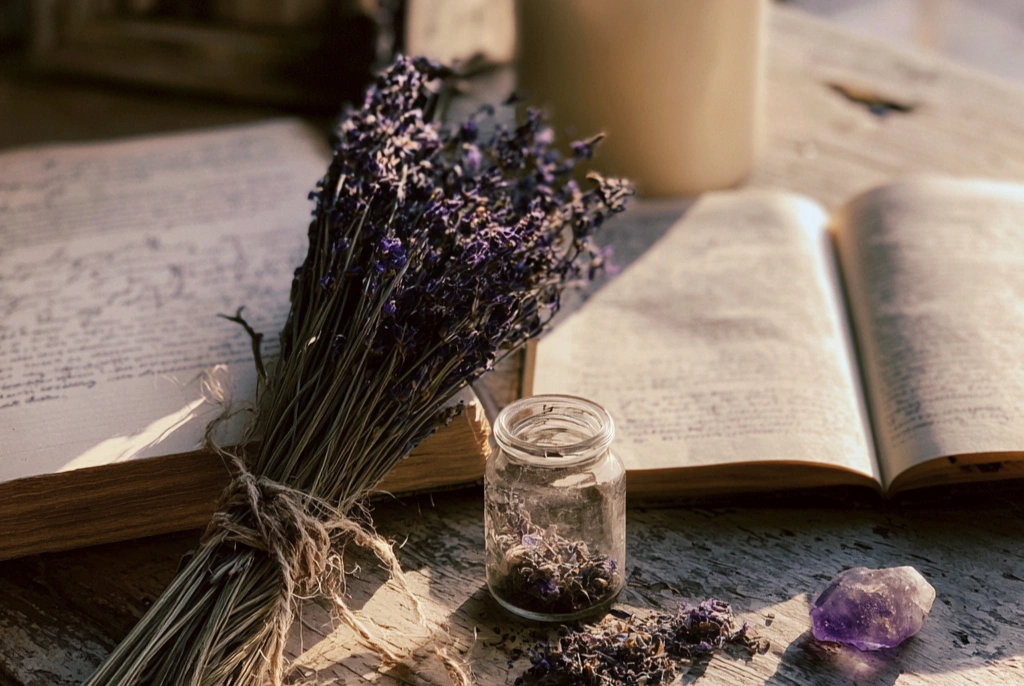
The Witch's Guide to Lavender
Lavender has been a ritual herb since the Romans named it after washing. The botany, folklore, magical correspondences, practical uses, and simple workings for the most familiar witchcraft herb in the Western tradition.
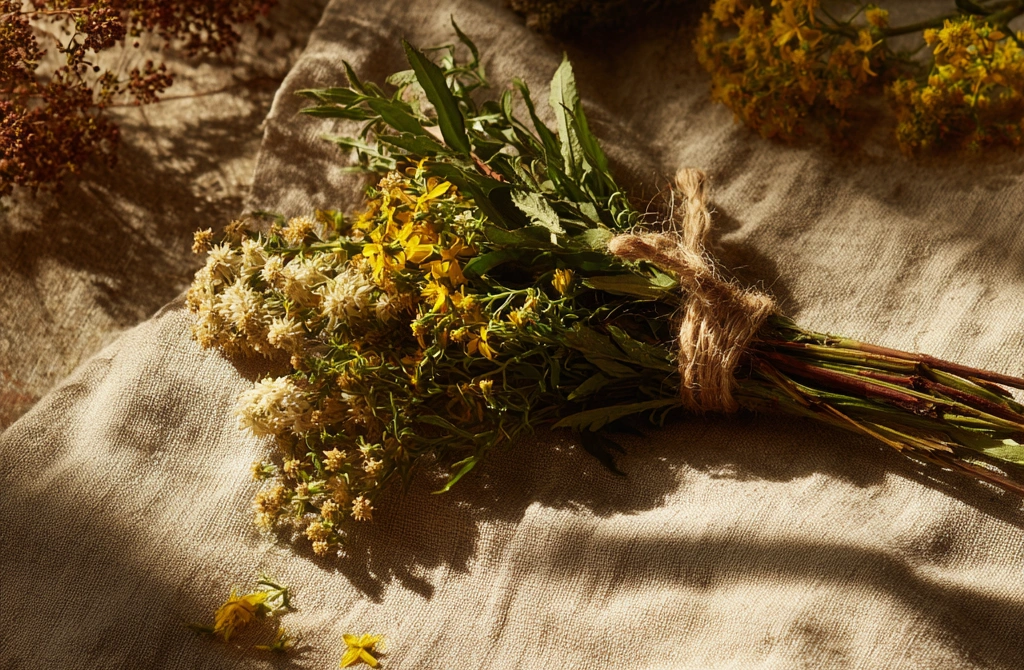
Herbs of Litha: Working with the Plants of the Summer Solstice
Litha's herbs are the plants of midsummer: sun-charged, protective, and central to centuries of European folk practice. Here is how to work with them in your craft.
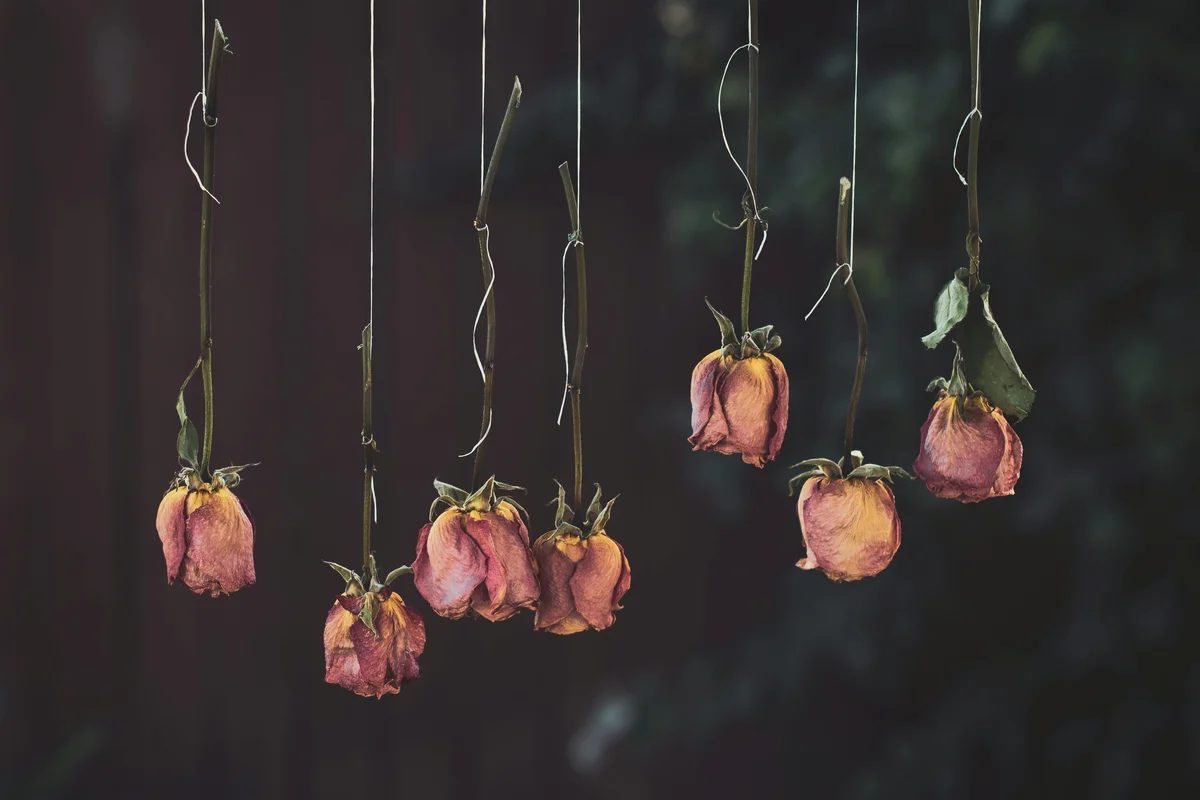
Herbs of Beltane: Working with the Plants of the Fire Festival
Beltane's herbs are the plants of late spring: flowering, fragrant, and full of the season's expansive energy. Here's how to work with them in your practice.
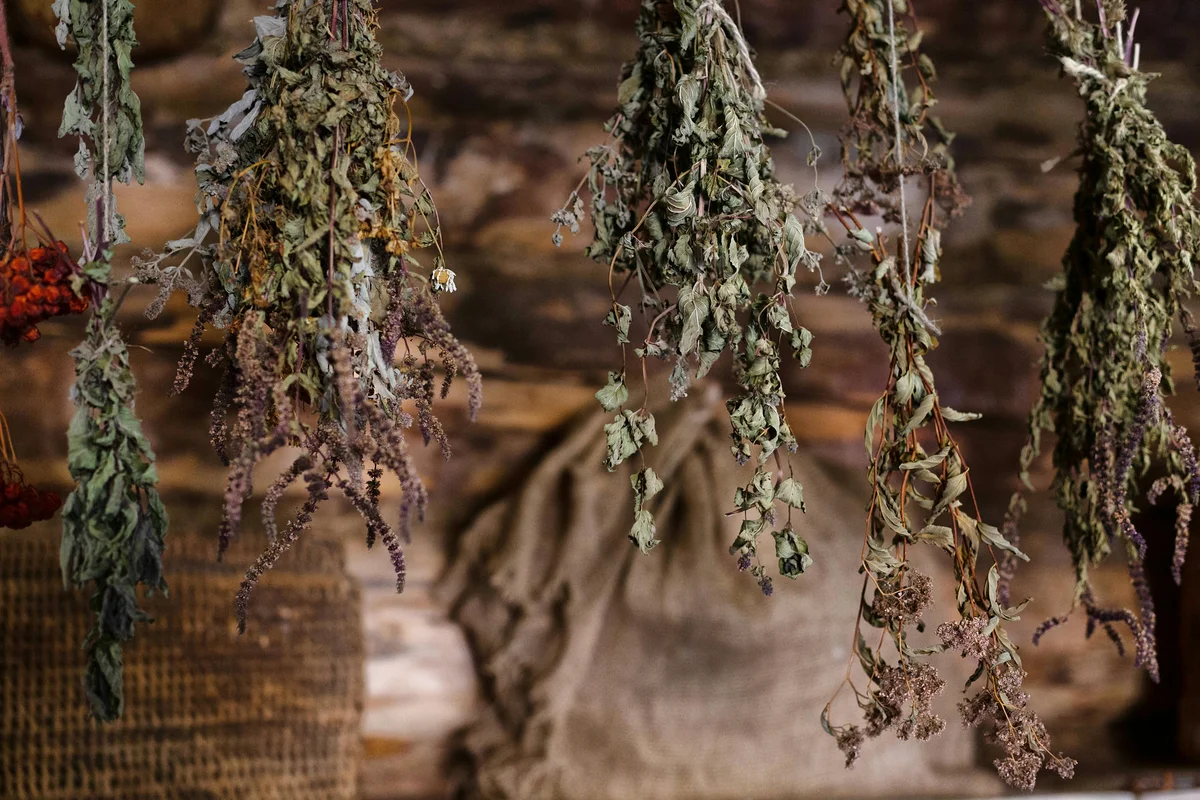
Five Herbs Every Witch Should Have in Their Apothecary
You don't need a fully stocked herb cabinet to practise effectively. You need a handful of versatile, accessible plants and an understanding of why they work.
Other libraries
Begin your practice
Grimoire is available now on Android and as a web app. Start today.