The Sabbats Library
Sabbats.
Sabbat guides for witches celebrating the eight festivals of the wheel of the year. Rituals, seasonal correspondences & reflections for every turn of the wheel.
The sabbats are the eight festivals that turn the wheel of the year: Imbolc, Ostara, Beltane, Litha, Lughnasadh, Mabon, Samhain, and Yule. Each carries its own energy, its own associations, and its own work. The pieces in this section are written to help you celebrate them with intention, whether you have an hour or an afternoon. They cover the deities, herbs, and themes of each festival, and offer practical ways to mark them: alone, simply, and without elaborate apparatus.
The sabbats are the eight seasonal festivals that form the Wheel of the Year: the calendar of celebrations observed across many Wiccan, pagan, and witchcraft traditions. They mark the turning points of the solar cycle and the agricultural seasons, anchoring spiritual practice to the rhythms of the natural world.
The four major sabbats (Samhain, Imbolc, Beltane, and Lughnasadh) are often called the cross-quarter days. They fall between the solstices and equinoxes and tend to be the most energetically potent. The four minor sabbats, the winter and summer solstices (Yule and Litha) and the spring and autumn equinoxes (Ostara and Mabon), mark the astronomical turning points of the year.
Each sabbat has its own themes, deities, correspondences, and traditional practices. Samhain honours the dead and the thinning veil. Beltane celebrates fertility and the height of spring. Yule marks the return of the light at the darkest point of the year. Working with the sabbats means aligning your practice with these seasonal energies: setting intentions, performing rituals, and acknowledging the cycle of death and rebirth that runs through the natural world.
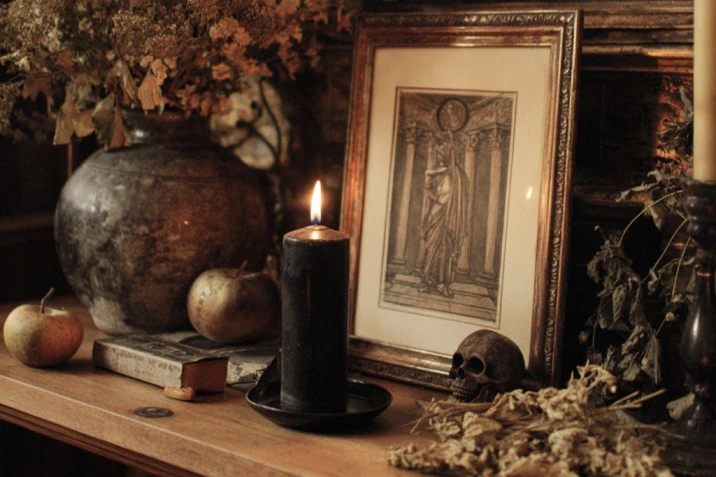
Samhain Deities
Samhain has the richest deity associations of any sabbat: Hekate, the Morrigan, the Cailleach, Cerridwen, Hel, and the leaders of the Wild Hunt. Six deity profiles with mythology, honest historical context, and how to work with each at the crossing of the year.
Mabon Energy and Intentions
The autumn-equinox piece in the wheel-of-year intention arc: Beltane was commit, Litha was recognise, Lughnasadh was account, Mabon is integrate. What Mabon energy supports, how to set an intention at the autumn equinox, and the particular relief that comes from folding the year's work into who you are rather than continuing to work on it.
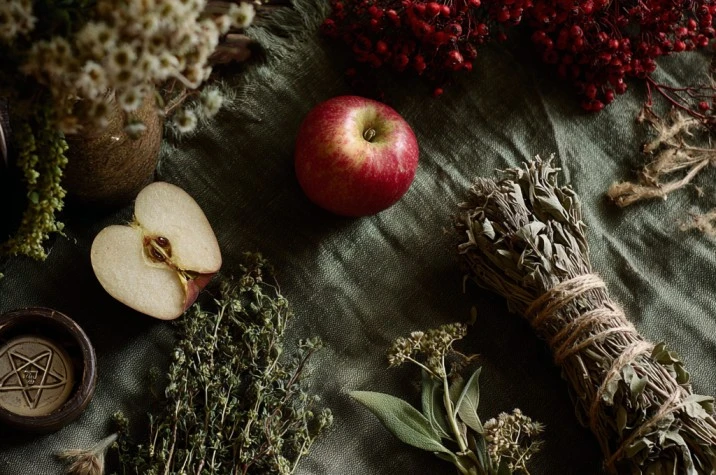
Herbs of Mabon
Five herbs for the autumn equinox: apple, hawthorn berries, sage, yarrow, and mugwort in its autumn aspect. Botany, folklore, magical correspondences, and how to work with each at the turning of the year.
Mabon for Solitary Witches
Mabon falls on the autumn equinox: the moment of perfect balance before the year tips into the dark half. A complete practical guide for the solitary practitioner: rituals, altar, journal prompts, and how to work with the season's central theme of equilibrium and release.
Mabon Deities
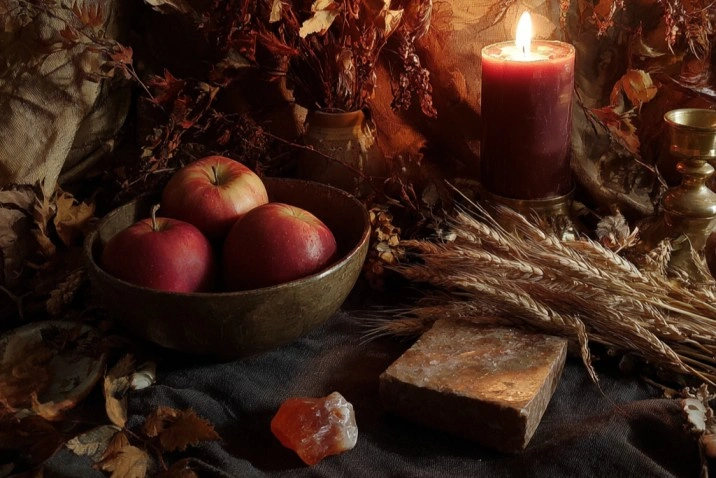
The deities of the autumn equinox: Mabon ap Modron, Modron, Persephone and Demeter, John Barleycorn, and the Cailleach. Who they are, where they come from, and how to work with them at the turn of the year.
Lughnasadh Energy and Intentions: The Harvest Accounting
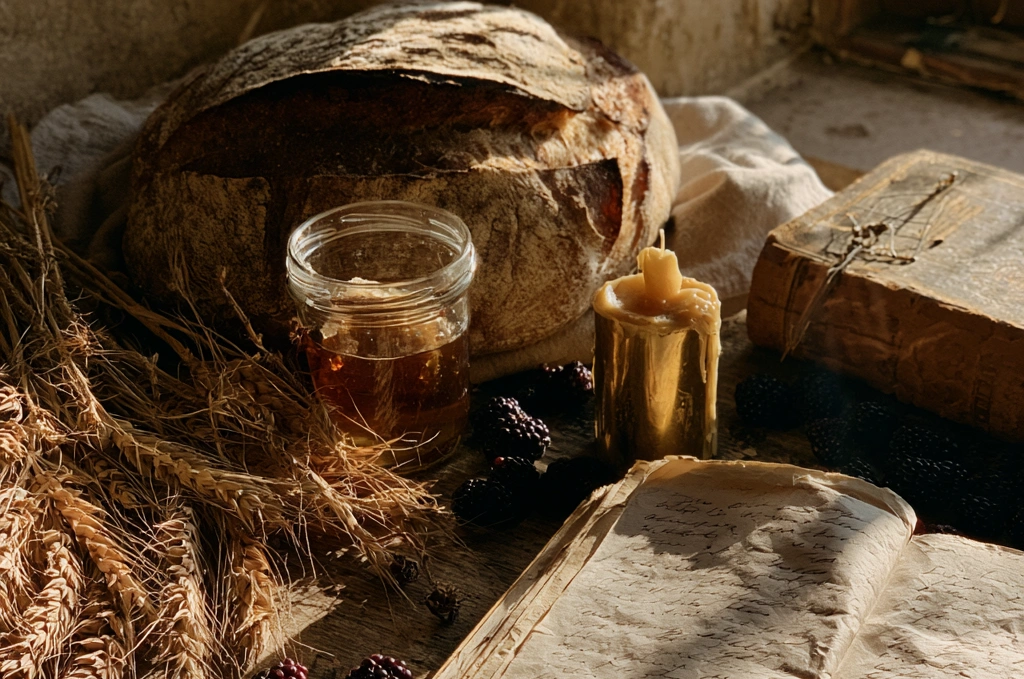
The third spoke of the wheel-of-year intention arc. Lughnasadh's mode is accounting: not gratitude, not celebration, but the honest ledger of what was planted, what has returned, and what it cost.
Herbs of Lughnasadh: The Plants of the First Harvest
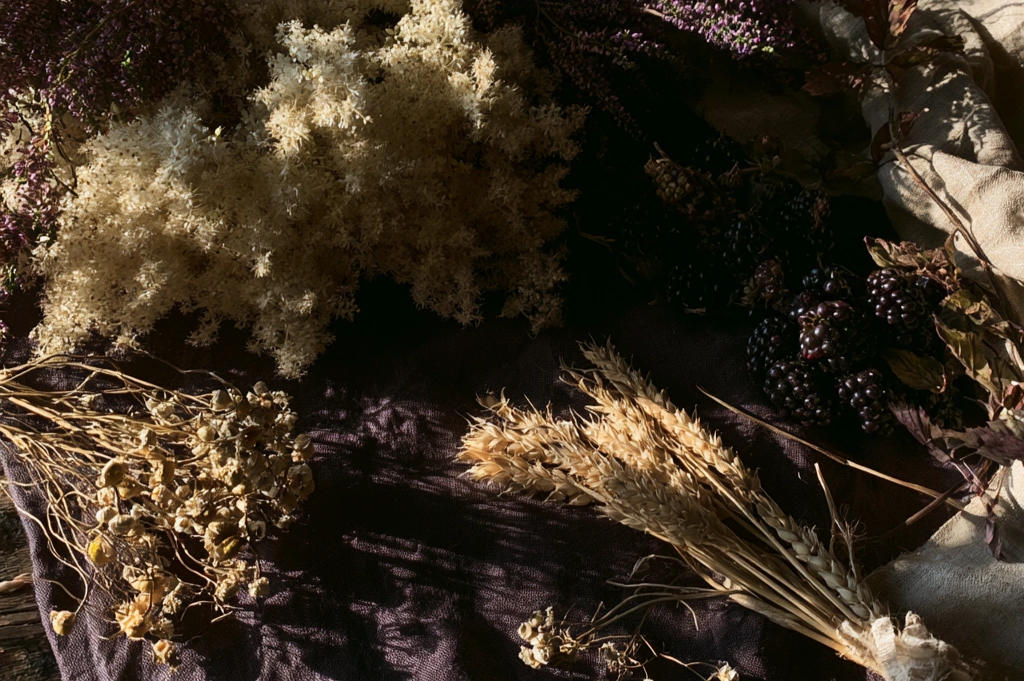
The herbs of early August: meadowsweet in the damp meadows, heather coming into bloom, the first blackberries in the hedgerows. A guide to the plants of Lughnasadh and how to work with them.
Lughnasadh for Solitary Witches
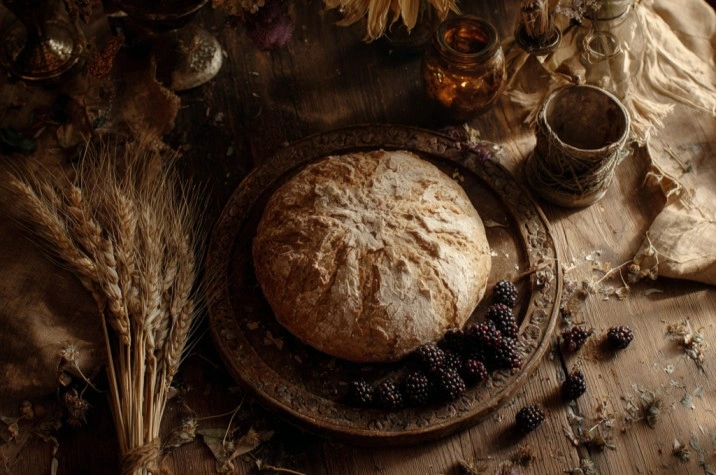
Lughnasadh falls on 1 August: the first harvest sabbat, the feast of Lugh, and the beginning of the harvest arc that runs to Samhain. A complete practical guide for the solitary practitioner: rituals, altar, journal prompts, and how to mark the first cutting when you are working alone.
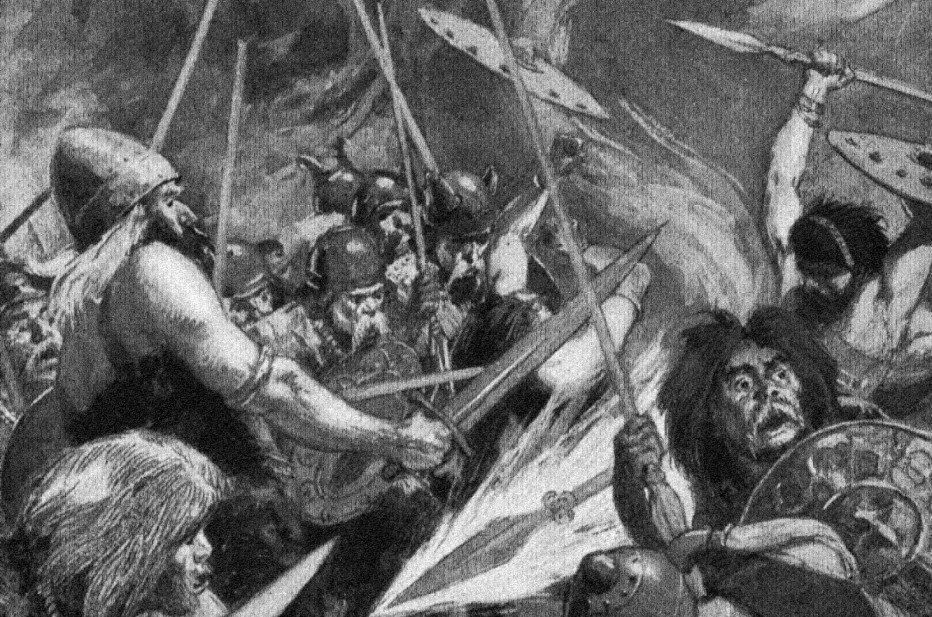
Lughnasadh Deities: Lugh, Tailtiu and the Spirit of the First Harvest
The deities of Lughnasadh: Lugh the long-handed, Tailtiu who cleared the plains of Ireland and died of it, Demeter who guards the grain, and John Barleycorn who dies to become the bread. A guide to the divine figures of the first harvest sabbat.
Litha Energy and Intentions: Working with Solstice Power for the Year Ahead
Litha is the sabbat of recognition and the year's mid-point check-in. Here is how to work with its energy intentionally, and what it is most potent for.
Litha for Solitary Witches: Celebrating the Summer Solstice Alone
Litha is the longest day of the year and the peak of solar power. Here is how to celebrate it as a solitary witch, simply and meaningfully.
Litha Deities: Gods and Goddesses of the Summer Solstice
Litha, the summer solstice, is one of the most deity-rich points in the Wheel of the Year. Here are the gods and goddesses most closely associated with midsummer across Celtic, Norse, Greek and other pagan traditions.
Beltane for Solitary Witches: Celebrating the Fire Festival Alone
Beltane is one of the great fire festivals. Here is how to celebrate it as a solitary witch, simply and meaningfully.
Beltane Energy and Intentions: What to Manifest at the Fire Festival
Beltane is the sabbat of commitment and full bloom. Here's how to work with its energy intentionally, and what it's most potent for.
Other libraries
Begin your practice
Grimoire is available now on Android and as a web app. Start today.