The Divination Library
Divination.
Divination methods for witches and pagan practitioners. Tarot, charm casting, and the older folk traditions of reading signs and asking better questions.
Tarot, charm casting, and the older folk methods are all forms of the same conversation: a way of asking better questions and listening for what surfaces. The pieces in this section are written from that premise: divination as a mirror, not a forecast. You will find guides to building a daily tarot practice, assembling your own charm-casting set, and approaching the cards or stones in a way that builds genuine fluency over time. No scripted meanings. No fortune-telling.
Divination is the practice of seeking knowledge (of yourself, your path, or the forces at work in your life) through symbolic systems and intuitive interpretation. It is one of the oldest threads running through human spiritual history, appearing in virtually every culture and tradition across the world.
Within witchcraft and pagan practice, divination is both an art and a discipline. The most widely practised forms include tarot, which uses a 78-card symbolic system to surface insight; oracle cards, which offer more freeform guidance; rune casting, rooted in Norse tradition; and astrology, which reads the movements of celestial bodies as a map of energetic influence. Scrying, pendulum work, and bibliomancy round out the broader toolkit.
What these practices share is the fundamental premise that the outer world reflects the inner: that symbols, timing, and pattern carry meaning if you are paying attention. Divination does not predict a fixed future. It illuminates what is present, what is possible, and what you might be missing. Used well, it is a tool for reflection and self-knowledge as much as for guidance.
The posts in this category cover everything from beginner introductions to specific systems, to deeper explorations of how to integrate divination into a daily spiritual practice. Whether you are drawing your first tarot card or deepening a long-standing relationship with the runes, you will find practical guidance and honest exploration here.
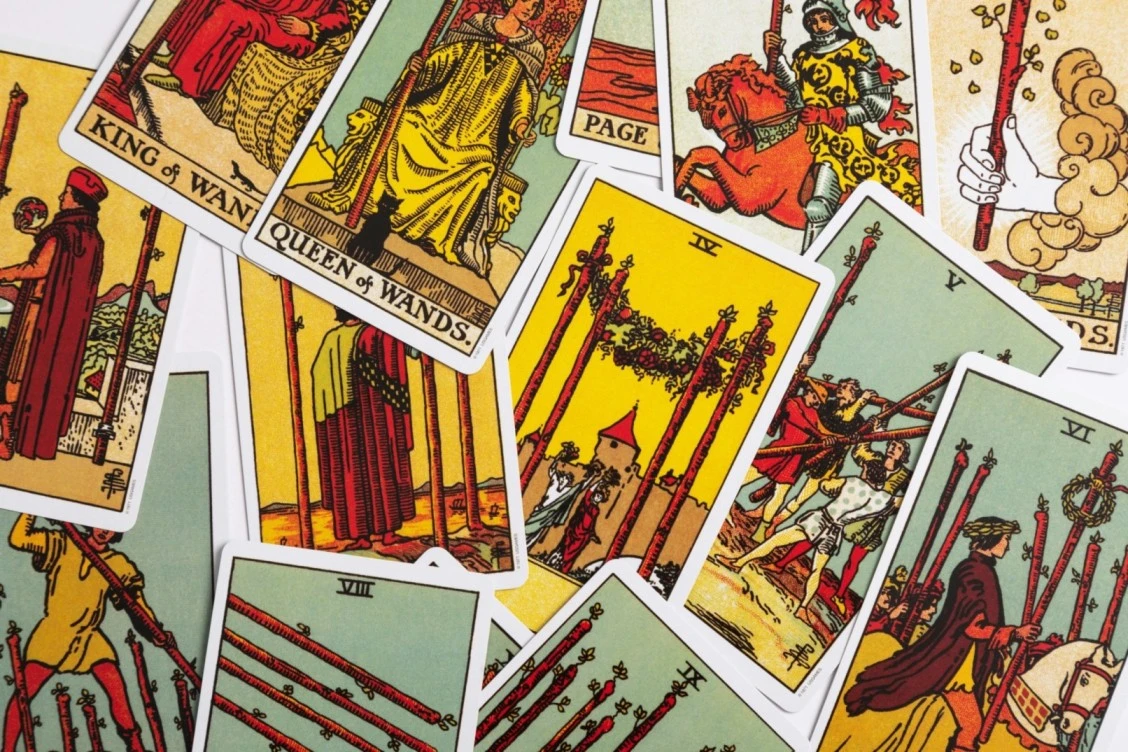
The Minor Arcana for Beginners
The 56 cards of the Minor Arcana are the working core of practical Tarot reading — the suit that tells you not what life-theme is present but how it is showing up this week. A complete beginner's guide: the four suits and their elements, the numerical structure that applies across all 56 cards, the court cards, and how to actually read them.
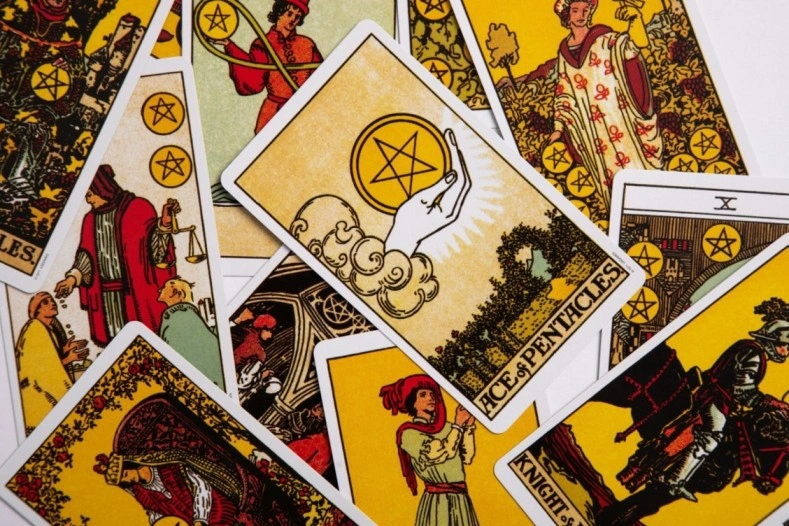
The Major Arcana for Beginners
The 22 cards of the Major Arcana are the spine of the Tarot deck: the ones that carry the deepest archetypal weight and mark the most significant themes in a reading. A complete beginner's guide: the Fool's Journey, every card characterised, and how to actually learn them.
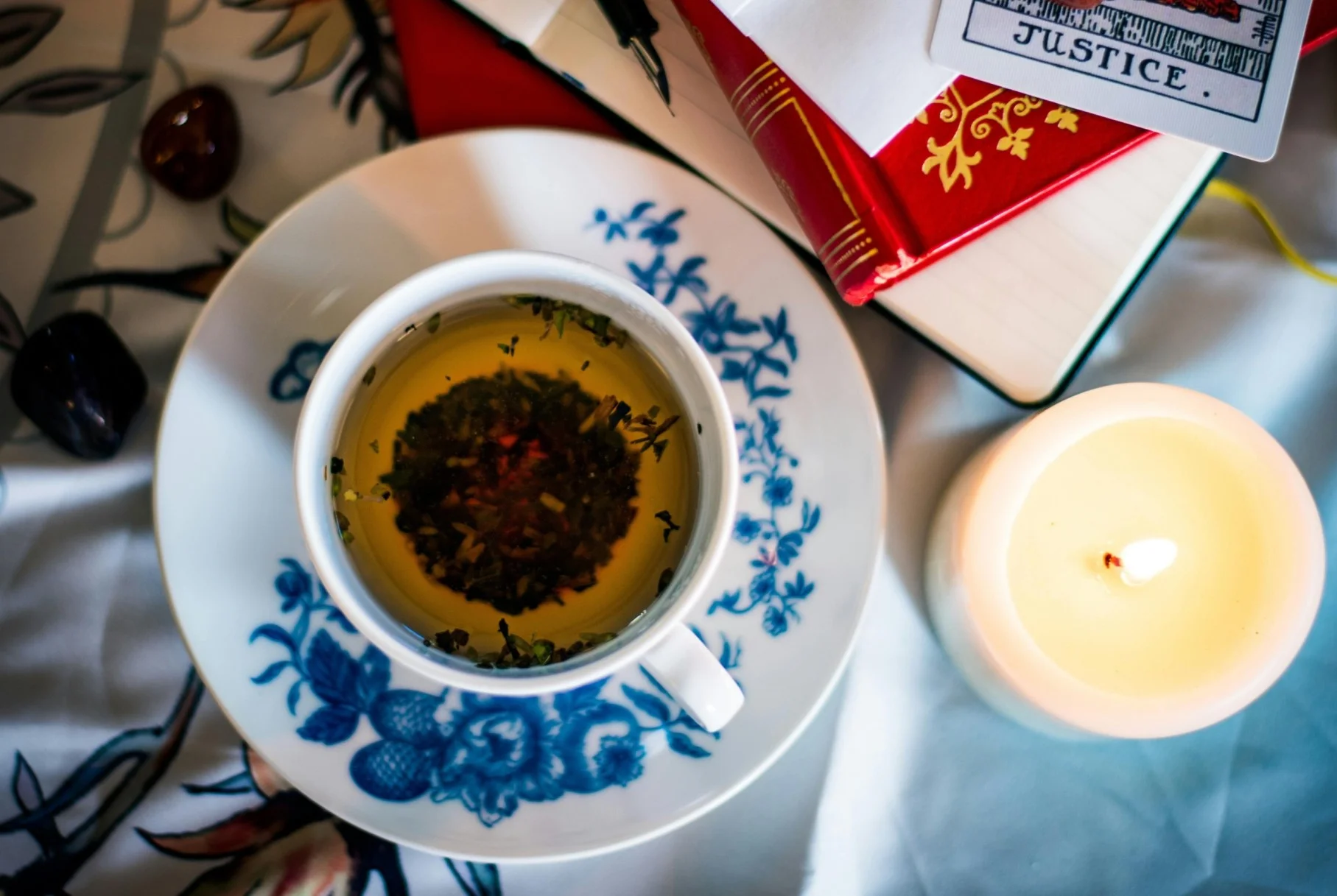
How to Read Tea Leaves: A Beginner's Guide to Tasseography
How to read tea leaves for beginners: choosing your tea, the ritual, reading the cup, and a symbol dictionary of common shapes and what they mean.

Charm Casting: A Guide to Building Your Own Divination Set
Charm casting is divination without a rulebook: a practice built from objects you choose and meanings you write yourself. A guide to building your set.
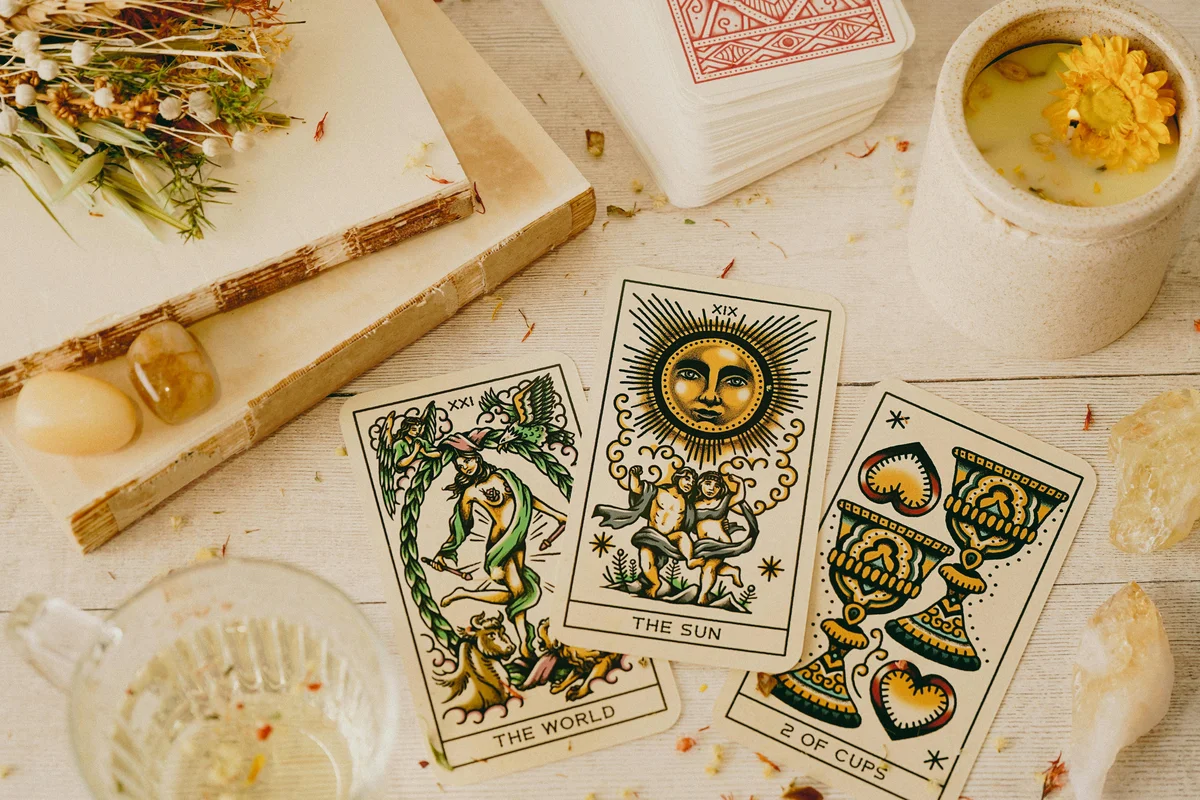
How to Start a Daily Tarot Practice (And Actually Stick to It)
A daily tarot practice doesn't require an hour of quiet and a perfectly set altar. It requires a card, a moment, and a way to remember what you noticed.
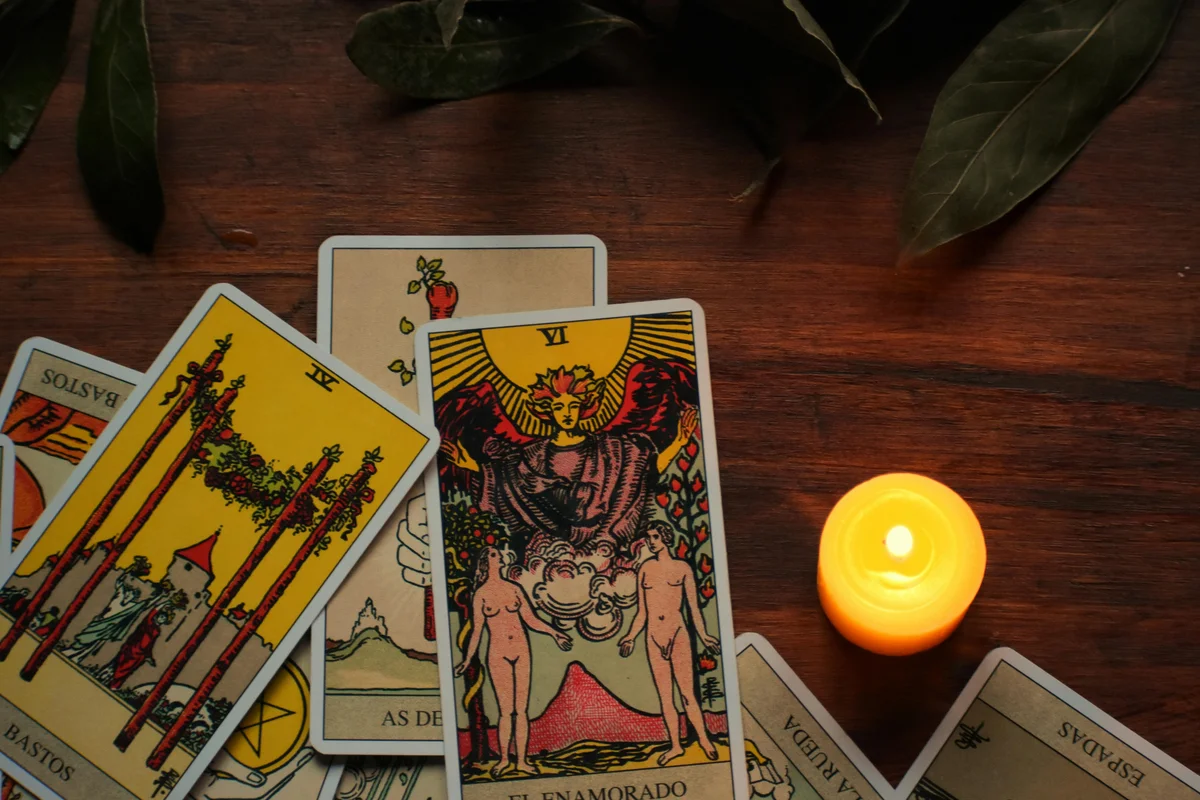
A Beginner's Guide to Tarot for Solitary Witches
Tarot is not fortune telling. It is a mirror, a way of asking better questions.
Other libraries
Begin your practice
Grimoire is available now on Android and as a web app. Start today.