The History Library
History.
The witch trials, the cunning folk, and the older history that modern witchcraft is built on top of.
Most modern witchcraft writing skips the history. The pieces in this section restore it. They cover the witch trials of early modern Europe and colonial America — Pendle, Salem, North Berwick, and the wider European witch craze — and the broader history of cunning folk, folk magic, and the long centuries during which the practices that became modern witchcraft were criminalised, persecuted, or quietly survived. The aim is to know who was killed, what they actually did, and what their lives mean to the practitioner who lights a candle on the altar today. History is not the same as lineage, but it is what lineage rests on.
History is not the same as lineage, but it is what lineage rests on. The witch trials of the sixteenth and seventeenth centuries killed an estimated 40,000 to 60,000 people across Europe and colonial America, most of them women, most of them poor, most of them practitioners of folk magic that had been part of village life for centuries before it was criminalised. The pieces in this section name those people where the records allow, describe what they actually practised, and trace the political and religious forces that turned ordinary cunning women into capital prosecutions.
The major events covered include the Pendle witch trials of 1612 in Lancashire, the Salem witch trials of 1692 in colonial Massachusetts, the North Berwick trials of 1590 in Scotland, and the wider European witch craze that ran from roughly 1450 to 1750. Each is treated on its own terms, with attention to what the accused actually did, what the trial records say, and how each event has been remembered, mythologised, or forgotten in the centuries since.
Beyond the trials themselves, the pieces in this section cover the longer history of cunning folk: the village healers, charm-sellers, and folk magicians who provided practical magic across Europe for at least a thousand years before the modern witchcraft revival. This is the soil from which contemporary practice grew. Knowing it changes how you hold a candle, how you read a charm book, how you understand the work you do tonight.
The honest claim modern witchcraft can make is that we are not the spiritual descendants of every murdered cunning woman or charged village healer. But we are the inheritors of the world they were killed for inhabiting, and we owe them the work of remembering.
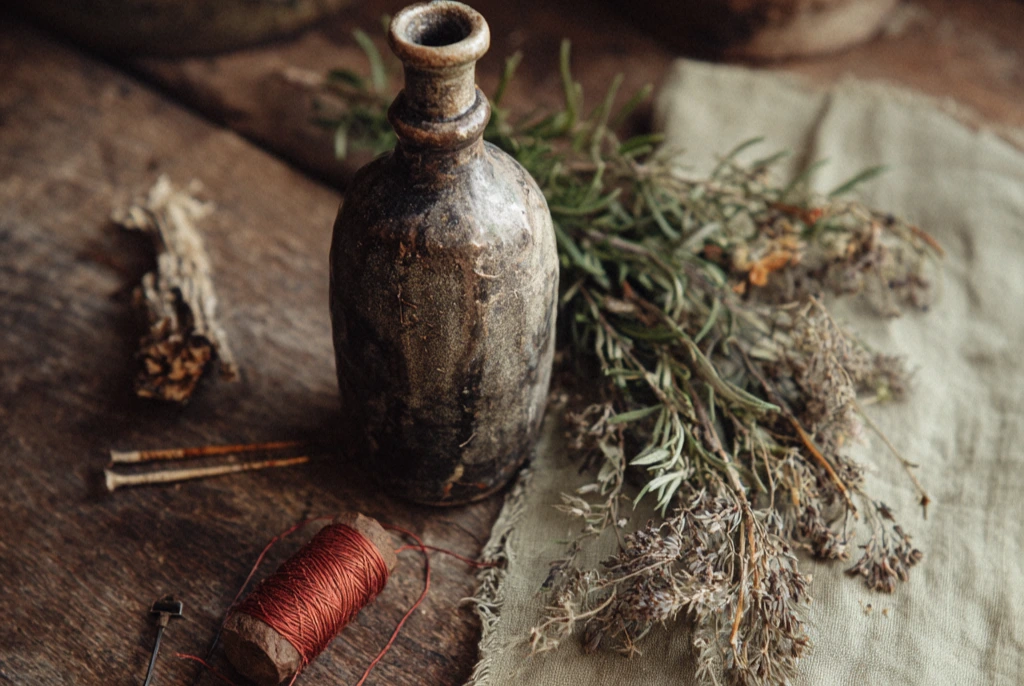
Witch Bottles: Archaeology and Practice
Beneath the floors of old English houses, archaeologists have been finding sealed bottles of iron pins, urine, hair, and protective herbs for two centuries. These are witch bottles — the most archaeologically attested form of folk magic in English history. A source-critical account of the evidence, the cunning-folk tradition behind it, and how to make one.
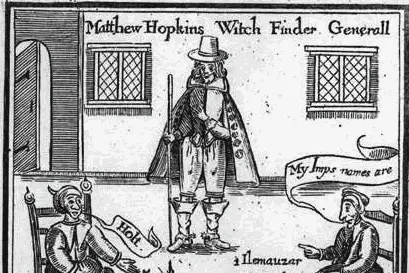
Matthew Hopkins, the Witch-Finder General
Between 1644 and 1647, a self-styled 'Witch-Finder General' with no official authority moved through the eastern counties of England during the chaos of the Civil War, leaving behind approximately 100 executions — more than the entire previous century of English witch trials combined. A source-critical account of Hopkins, his methods, and his victims.
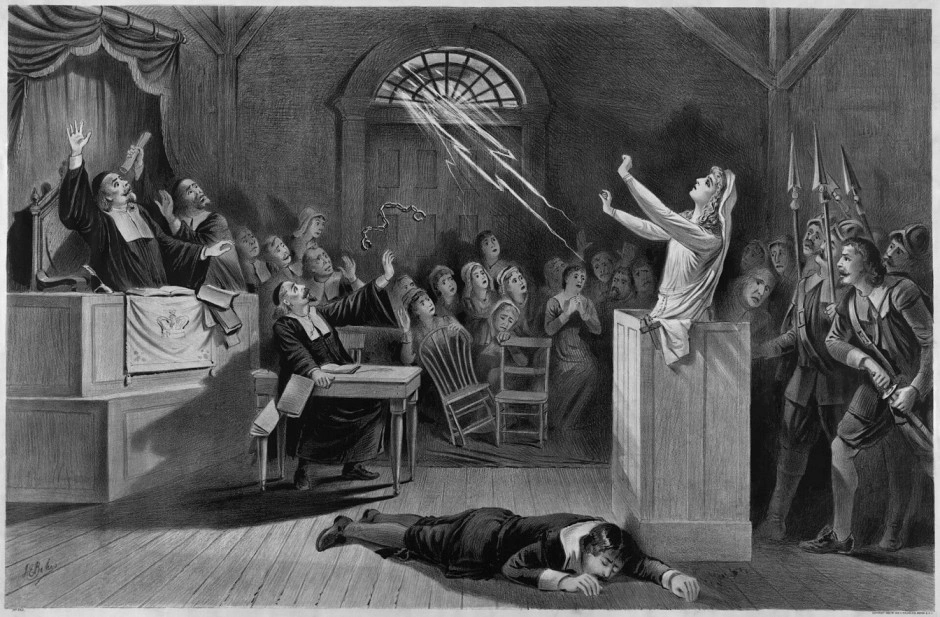
The Salem Witch Trials
The Salem witch trials of 1692 are the most mythologised in history, and the most misunderstood. A source-critical account of what actually happened, who the accused really were, why it happened when and where it did, and what the modern pagan reception gets wrong.
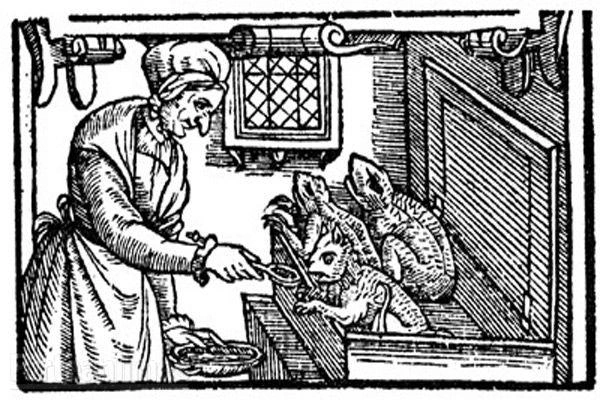
Cunning Folk: The Working Witches of English History
For five hundred years, when ordinary English people needed magical help, they went not to a witch but to a cunning man or cunning woman: paid professional folk-magicians present in nearly every parish. Who they were, what they did, and what modern witchcraft actually inherits from them.
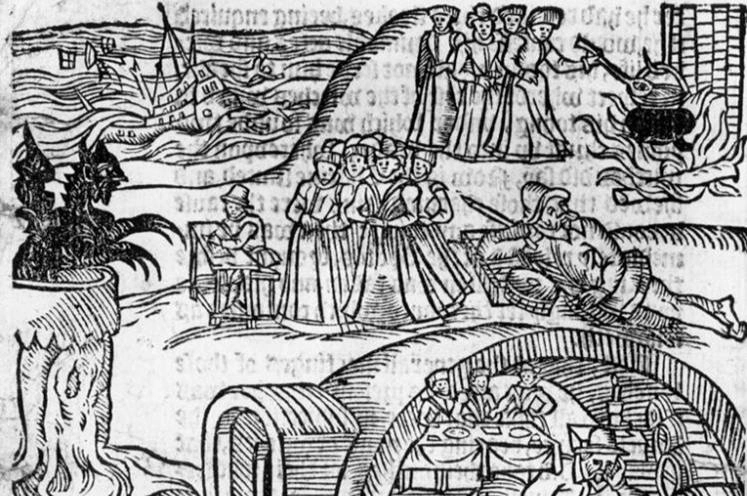
The North Berwick Witch Trials
In 1590, James VI of Scotland personally interrogated accused witches at North Berwick, convinced they had raised storms to sink his ships. What the trial record actually shows, why James wrote Daemonologie in response, and how North Berwick set the template for Scotland's far deadlier witch-hunting tradition.
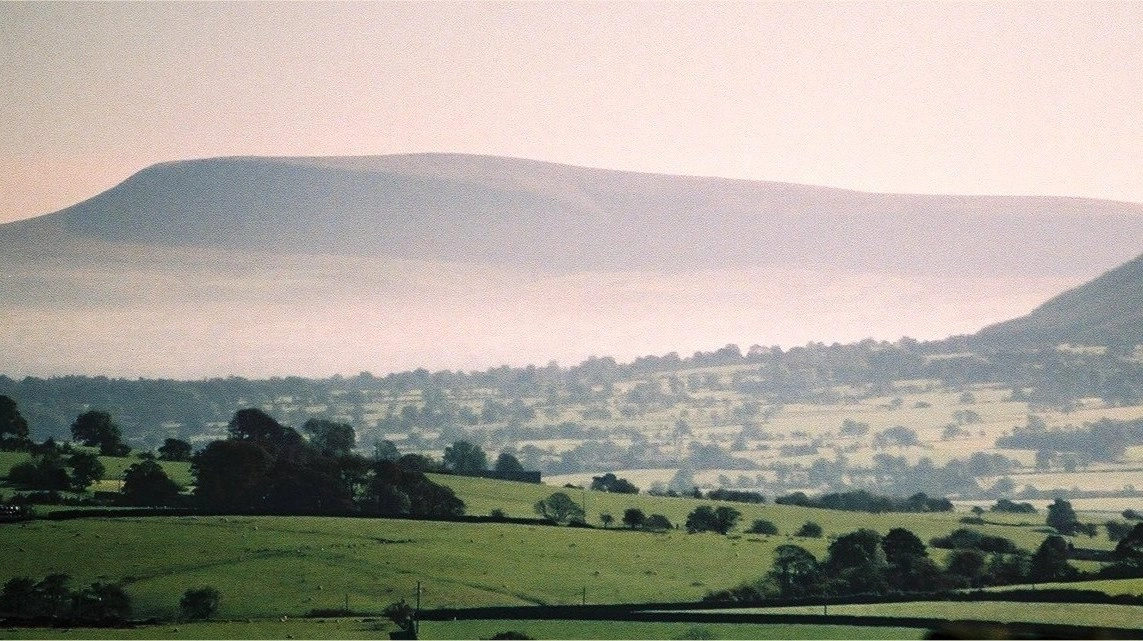
The Pendle Witches: A History of the Lancashire Witch Trials of 1612
The Pendle witch trials of 1612 are among the most documented witch trials in English history. Who the accused were, what actually happened, and how they are remembered by modern witches.
Other libraries
Begin your practice
Grimoire is available now on Android and as a web app. Start today.